







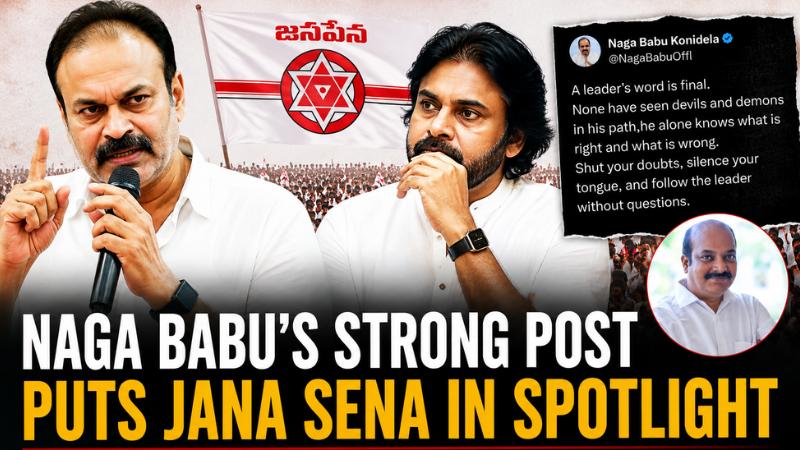
Naga Babu’s Strong Post Puts Jana Sena In Spotlight
Naga Babu’s sharp message defending Pawan Kalyan’s Rajya Sabha choice has triggered a fresh debate among Jana Sena supporters. Pawan Kalyan’s Key Political Decision Andhra Pradesh Deputy Chief Minister and Jana Sena chief Pawan Kalyan has made an important political move by nominating Lingamaneni Ramesh as the party’s Rajya Sabha candidate. The decision comes at a time when Jana Sena is enjoying strong political momentum after it
Naga Babu’s Strong Post Puts Jana Sena In Spotlight
Naga Babu’s sharp message defending Pawan Kalyan’s Rajya Sabha choice has triggered a fresh debate among Jana Sena supporters. Pawan Kalyan’s Key Political Decision Andhra Pradesh Deputy Chief Minister and Jana Sena chief Pawan Kalyan has made an important political move by nominating Lingamaneni Ramesh as the party’s Rajya Sabha candidate. The decision comes at a time when Jana Sena is enjoying strong political momentum after it
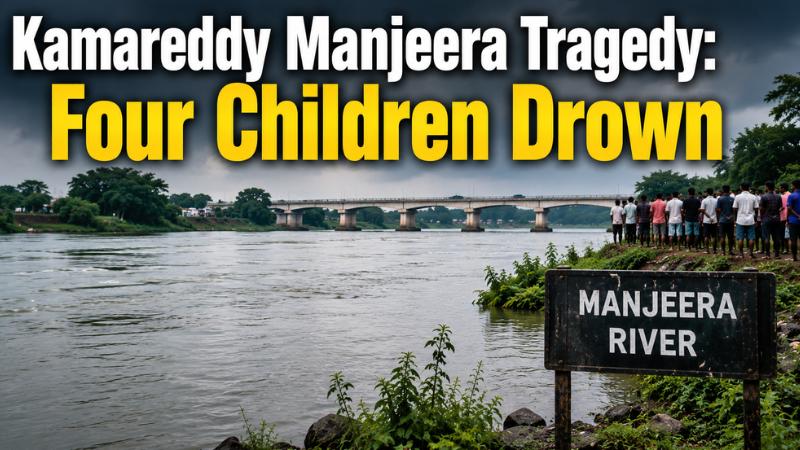
Kamareddy Manjeera Tragedy: Four Children Drown
A tragic drowning incident in Telangana’s Kamareddy district claimed the lives of four children from the same family, while another Manjeera River incident left four more dead. Four Children Drown In Manjeera River A deep tragedy struck Budimi village in Banswada mandal of Kamareddy district after four children from the same family drowned in the Manjeera River on Friday 5th June. The children, all aged
Kamareddy Manjeera Tragedy: Four Children Drown
A tragic drowning incident in Telangana’s Kamareddy district claimed the lives of four children from the same family, while another Manjeera River incident left four more dead. Four Children Drown In Manjeera River A deep tragedy struck Budimi village in Banswada mandal of Kamareddy district after four children from the same family drowned in the Manjeera River on Friday 5th June. The children, all aged

Pawan Kalyan’s National Push After Telangana Row
Pawan Kalyan’s response to the Telangana political row has shifted attention toward his wider national image and Jana Sena’s future plans. Telangana Row Brings Pawan Into Focus Andhra Pradesh Deputy Chief Minister and Jana Sena chief Pawan Kalyan has once again become a major talking point in Telugu politics after the recent Tel
Pawan Kalyan’s National Push After Telangana Row
Pawan Kalyan’s response to the Telangana political row has shifted attention toward his wider national image and Jana Sena’s future plans. Telangana Row Brings Pawan Into Focus Andhra Pradesh Deputy Chief Minister and Jana Sena chief Pawan Kalyan has once again become a major talking point in Telugu politics after the recent Tel
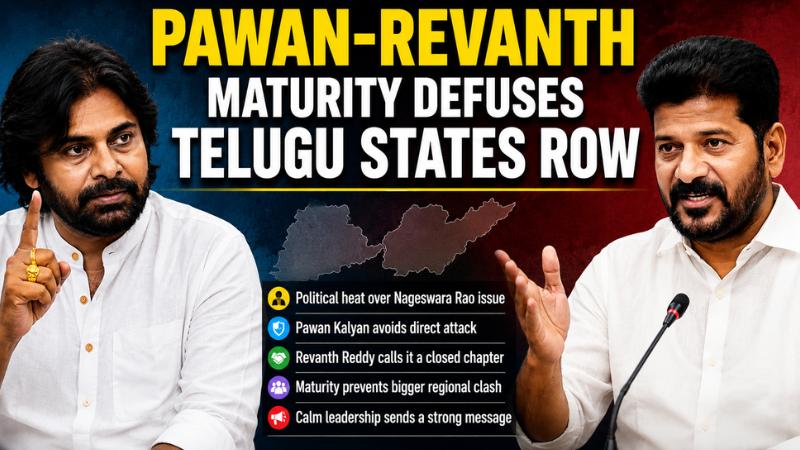
Pawan-Revanth Maturity Defuses Telugu States Row
Pawan Kalyan and Revanth Reddy kept their reactions calm, preventing a political exchange from turning into a bigger Andhra-Telangana row. Telugu States See Political Heat Again The political atmosphere between Andhra Pradesh and Telangana often becomes sensitive when leaders from one Telugu state comment on the other. A similar situation developed recently after Andhra Pradesh Deputy Chief Minister Pawan Kalyan was targeted by some Tela
Pawan-Revanth Maturity Defuses Telugu States Row
Pawan Kalyan and Revanth Reddy kept their reactions calm, preventing a political exchange from turning into a bigger Andhra-Telangana row. Telugu States See Political Heat Again The political atmosphere between Andhra Pradesh and Telangana often becomes sensitive when leaders from one Telugu state comment on the other. A similar situation developed recently after Andhra Pradesh Deputy Chief Minister Pawan Kalyan was targeted by some Tela

US Approves $1.98B Kuwait Arms Deal
US Clears Major Defense Sale To Kuwait The United States has approved a proposed $1.98 billion arms sale to Kuwait, a package centered on advanced counter-drone systems and related defense equipment. The State Department said the sale is intended to strengthen Kuwait’s ability to respond to current and future threats, particularly unmanned aerial systems that could endanger military sites, civilian infrastr
US Approves $1.98B Kuwait Arms Deal
US Clears Major Defense Sale To Kuwait The United States has approved a proposed $1.98 billion arms sale to Kuwait, a package centered on advanced counter-drone systems and related defense equipment. The State Department said the sale is intended to strengthen Kuwait’s ability to respond to current and future threats, particularly unmanned aerial systems that could endanger military sites, civilian infrastr

Asia Leads Animal Food Production Growth
Global Meat Production Sees Major Surge Global meat consumption has increased sharply over the past six decades, with people now eating far more chicken and pork than previous generations, according to a new report by the UN Food and Agriculture Organization. The report said livestock has become one of the fastest-growing parts of the agricultural sector as demand for animal-source foods continues to rise a
Asia Leads Animal Food Production Growth
Global Meat Production Sees Major Surge Global meat consumption has increased sharply over the past six decades, with people now eating far more chicken and pork than previous generations, according to a new report by the UN Food and Agriculture Organization. The report said livestock has become one of the fastest-growing parts of the agricultural sector as demand for animal-source foods continues to rise a

UK Rejects Vance’s Migration Claim
Vance Links Killing To Migration Debate US Vice President JD Vance drew criticism from the UK government after linking the murder of British student Henry Nowak to what he described as a mass migrant “invasion.” Nowak, 18, was stabbed in Southampton in December, and the case has since become a politically charged issue in Britain and abroad. Vance used a social media post to criticize British authorities
UK Rejects Vance’s Migration Claim
Vance Links Killing To Migration Debate US Vice President JD Vance drew criticism from the UK government after linking the murder of British student Henry Nowak to what he described as a mass migrant “invasion.” Nowak, 18, was stabbed in Southampton in December, and the case has since become a politically charged issue in Britain and abroad. Vance used a social media post to criticize British authorities

Trump Pushes Federal Workforce Overhaul
Trump Supports Cuts At Intelligence Office US President Donald Trump said he would support staff reductions within the Office of the Director of National Intelligence, defending his decision to name Bill Pulte as acting director despite questions about Pulte’s limited intelligence background. Speaking aboard Air Force One, Trump said he would not object if Pulte reduced the size of the office, arguing that
Trump Pushes Federal Workforce Overhaul
Trump Supports Cuts At Intelligence Office US President Donald Trump said he would support staff reductions within the Office of the Director of National Intelligence, defending his decision to name Bill Pulte as acting director despite questions about Pulte’s limited intelligence background. Speaking aboard Air Force One, Trump said he would not object if Pulte reduced the size of the office, arguing that

Ohio Property Tax Repeal Campaign Targets 2027 After Missing Ballot Deadline
COLUMBUS, Ohio — The Ohio property tax repeal campaign will not move forward for the November 2026 ballot, shifting instead toward a possible Ohio property tax ballot 2027 fight over homeowner costs and local government funding. Following an update reported on Friday, June 5, 2026, organizers with AxOHTax, also known as the Committee to Abolish Ohio Property Taxes, said they will continue collecting signatures rather than submit petitions for the 2026 ballot. Oh
Ohio Property Tax Repeal Campaign Targets 2027 After Missing Ballot Deadline
COLUMBUS, Ohio — The Ohio property tax repeal campaign will not move forward for the November 2026 ballot, shifting instead toward a possible Ohio property tax ballot 2027 fight over homeowner costs and local government funding. Following an update reported on Friday, June 5, 2026, organizers with AxOHTax, also known as the Committee to Abolish Ohio Property Taxes, said they will continue collecting signatures rather than submit petitions for the 2026 ballot. Oh
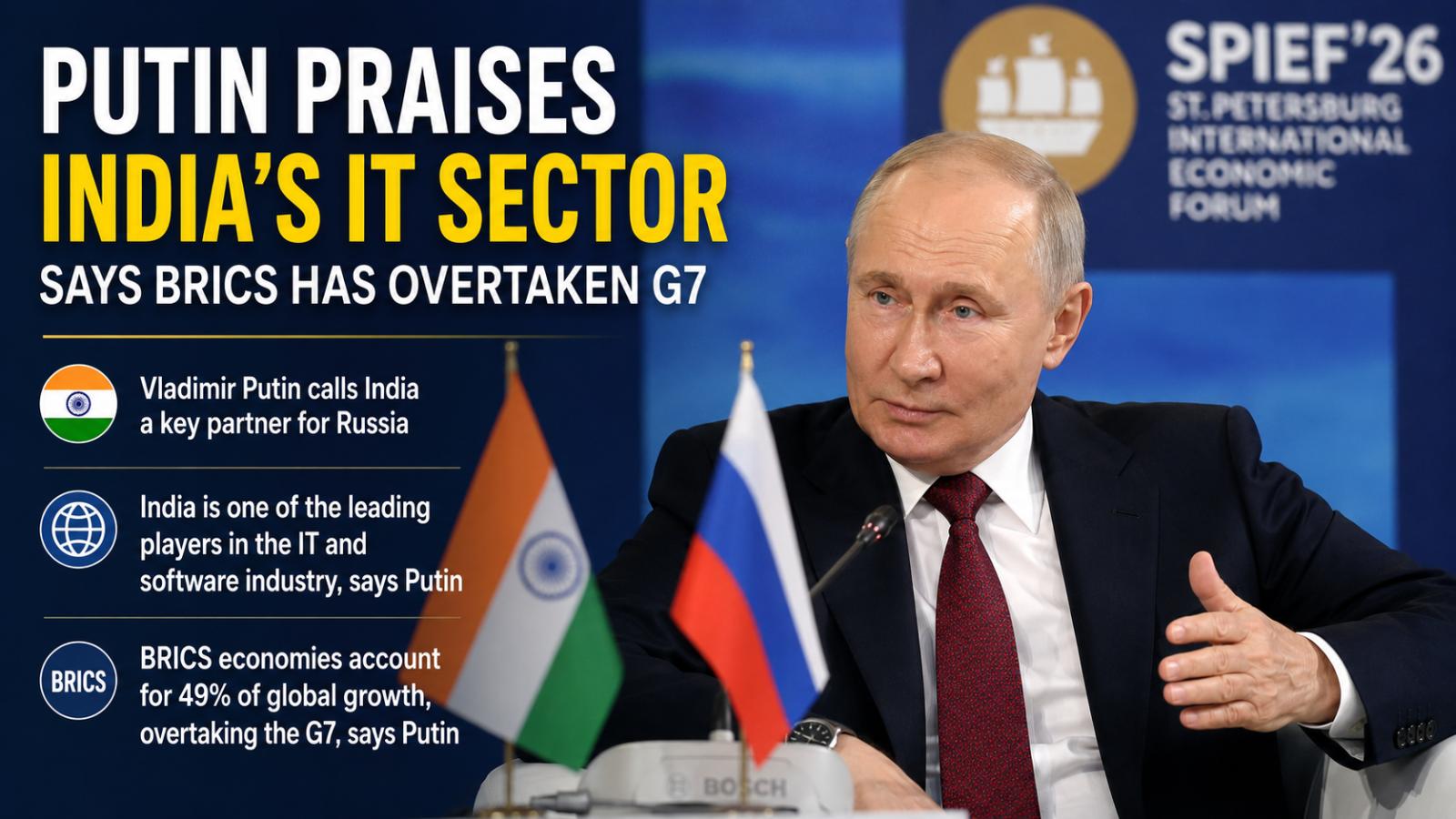
Putin Praises India’s IT Sector as BRICS Challenges G7
Russian President Vladimir Putin praised India’s IT sector at the St. Petersburg International Economic Forum in Russia on Friday, June 5, 2026, calling New Delhi an important partner for Moscow as he argued that BRICS economies are gaining influence over the G7. Speaking at SPIEF 2026, Putin said India has become one of the leading players in information technology and the global software industry. His comments placed India at the center of Russia’s broader push to strengthen t
Putin Praises India’s IT Sector as BRICS Challenges G7
Russian President Vladimir Putin praised India’s IT sector at the St. Petersburg International Economic Forum in Russia on Friday, June 5, 2026, calling New Delhi an important partner for Moscow as he argued that BRICS economies are gaining influence over the G7. Speaking at SPIEF 2026, Putin said India has become one of the leading players in information technology and the global software industry. His comments placed India at the center of Russia’s broader push to strengthen t
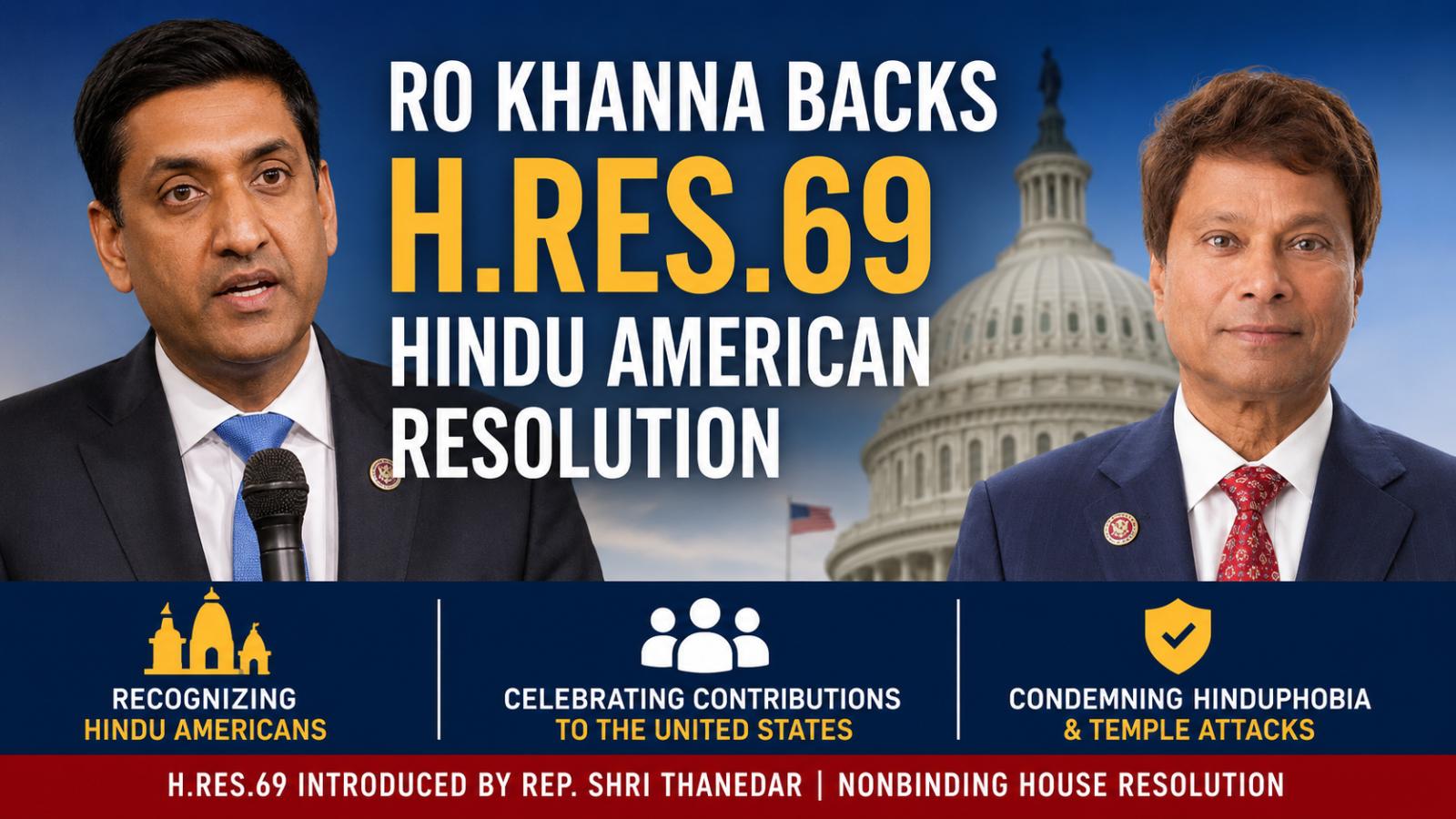
Ro Khanna Backs H.Res.69 Hindu American Resolution
Washington, DC, Friday, June 5, 2026 — Rep. Ro Khanna has backed H.Res.69, a Hindu American resolution in the U.S. House that recognizes the contributions of Hindu Americans and condemns Hinduphobia, anti-Hindu bigotry and attacks on Hindu places of worship. Khanna said in a post on X on Monday, June 1, 2026, that he was proud to cosponsor the measure introduced by Rep. Shri Thanedar. He said the resolution celebrates the contributions and diversity of the Hindu A
Ro Khanna Backs H.Res.69 Hindu American Resolution
Washington, DC, Friday, June 5, 2026 — Rep. Ro Khanna has backed H.Res.69, a Hindu American resolution in the U.S. House that recognizes the contributions of Hindu Americans and condemns Hinduphobia, anti-Hindu bigotry and attacks on Hindu places of worship. Khanna said in a post on X on Monday, June 1, 2026, that he was proud to cosponsor the measure introduced by Rep. Shri Thanedar. He said the resolution celebrates the contributions and diversity of the Hindu A

San Francisco Pink Triangle 2026 Volunteer Installation Set for Twin Peaks
The San Francisco Pink Triangle 2026 volunteer installation is scheduled to return to Twin Peaks on Saturday, June 6, 2026, as the city marks Pride Month. The 31st annual Pink Triangle of Twin Peaks is expected to remain on display until late afternoon on Sunday, June 28, 2026. Twin Peaks Pink Triangle Volunteer Installation Begins June 6 Volunteers are expected to gather on Twin Peaks to help assemble the large hillside symbol, one of San Fran
San Francisco Pink Triangle 2026 Volunteer Installation Set for Twin Peaks
The San Francisco Pink Triangle 2026 volunteer installation is scheduled to return to Twin Peaks on Saturday, June 6, 2026, as the city marks Pride Month. The 31st annual Pink Triangle of Twin Peaks is expected to remain on display until late afternoon on Sunday, June 28, 2026. Twin Peaks Pink Triangle Volunteer Installation Begins June 6 Volunteers are expected to gather on Twin Peaks to help assemble the large hillside symbol, one of San Fran

Gas-X Extra Strength Recall: Check Lot Numbers and Refund Steps
Haleon has recalled four lots of Gas-X Extra Strength Softgels after a possible coolant contamination issue during packaging. The Gas-X Extra Strength recall affects 125 mg softgels in 120-count and 72-count bottles distributed to the consumer level beginning Monday, April 13, 2026, according to a company announcement published by the U.S. Food and Drug Administration on Thursday, June 4, 2026. Gas-X Extra Strength Recall Covers Four Lots The r
Gas-X Extra Strength Recall: Check Lot Numbers and Refund Steps
Haleon has recalled four lots of Gas-X Extra Strength Softgels after a possible coolant contamination issue during packaging. The Gas-X Extra Strength recall affects 125 mg softgels in 120-count and 72-count bottles distributed to the consumer level beginning Monday, April 13, 2026, according to a company announcement published by the U.S. Food and Drug Administration on Thursday, June 4, 2026. Gas-X Extra Strength Recall Covers Four Lots The r
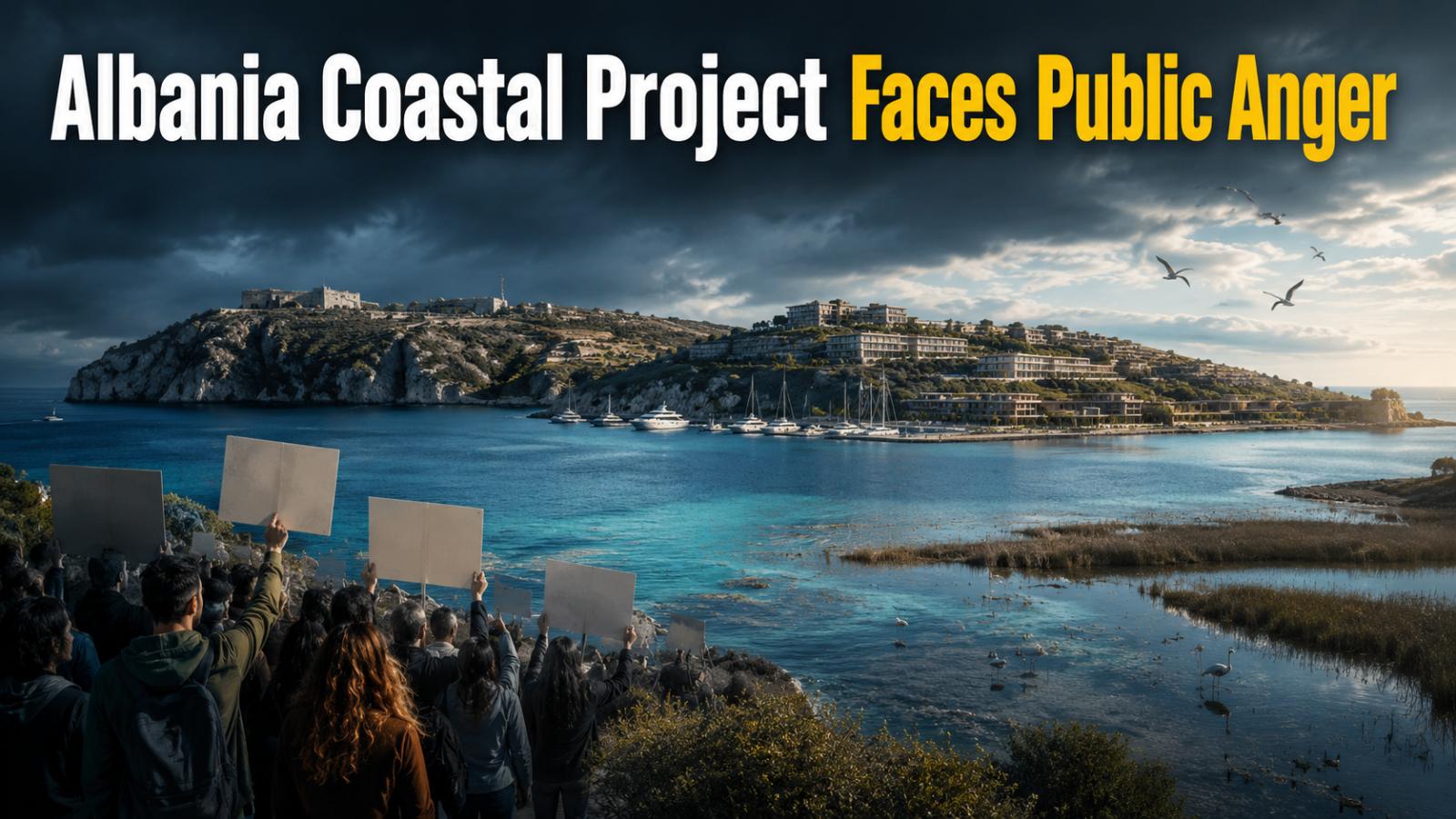
Kushner-Linked Albania Coastal Project Sparks Protests Over Sazan Island and Protected Wetlands
A major Albania coastal project linked to Jared Kushner’s investment firm, Affinity Partners, has become a flashpoint for public anger, environmental concern, and political debate. The proposed development involves Sazan Island and coastal areas near the Vjosa-Narta wetland, one of Albania’s most sensitive natural zones. Supporters describe the plan as a major tourism opportunity that could bring investment, jobs, and international attention to Albania’s Adriatic coast. Critics see it very differently. For them, the project raises serious questions about protected land, public transparency, local rights, and whether Albania’s coastline is being opened too quickly to powerful private investors. The controversy has now moved beyond a normal real estate debate. Protests in Tirana have shown that many Albanians view the issue as a fight over national land, environmental protection, and public trust. What Is Planned For Sazan Island Sazan Island is an uninhabited island with a long military history. It was once used as a strategic base and has remained largely untouched compared to many other Mediterranean coastal areas. That untouched nature is exactly why the island is attractive to luxury developers, but it is also why environmental groups and citizens are worried. The resort plan connected to the Kushner Albania deal has been described as a high-end tourism project with luxury accommodation, private villas, hospitality spaces, and marina-style development for wealthy visitors. Ivanka Trump has also spoken publicly about the island and its appeal, adding more global attention to the project. For investors, Sazan Island represents a rare chance to build a premium destination in a country trying to expand its tourism economy. For opponents, it represents something more dangerous: the possible transformation of public and protected coastal land into exclusive spaces for private profit. Why Protesters Are Opposing The Project The Albania island protest movement is not only about one resort. It reflects a deeper fear that citizens are being left out of major decisions about land that belongs to the country. Many protesters argue that development should not happen without full public consultation, clear environmental studies, and transparent land agreements. Slogans such as “Albania is not for sale” show that the anger is not limited to environmental activists. It is also about sovereignty, corruption concerns, and distrust of political decision-making. People are asking simple but important questions. Who benefits from the project? What land is being used? Were protection rules changed? Will ordinary Albanians gain from the investment, or will the coast become a playground for foreign elites? These questions are the reason the Tirana protest movement has gained attention. Vjosa-Narta Wetland Concerns Are At The Center Of The Debate One of the biggest concerns is the Vjosa-Narta wetland, a protected coastal ecosystem known for birdlife, lagoons, beaches, pine areas, and marine habitats. Environmental groups say construction near such an area could damage fragile ecosystems that cannot easily recover. The fear is not only about hotel buildings. Large tourism projects often require roads, fencing, digging, drainage, lighting, parking, utilities, and security zones. Even if the main resort buildings are placed away from the most sensitive areas, the wider infrastructure can still disturb wildlife and change the natural character of the coast. This is where the government and developers face a trust problem. Saying the project will follow environmental rules is not enough. Albanians want to see clear studies, public documents, independent reviews, and real guarantees that protected land will not be weakened. Affinity Partners And Foreign Investment Questions The Affinity Partners project is also controversial because of the political profile of the people connected to it. Jared Kushner is not just a businessman. He is also the son-in-law of Donald Trump and a former senior White House adviser. Ivanka Trump’s public comments about the island have made the project even more visible. Affinity Partners has also been linked to major Middle Eastern investment, including Saudi-backed funding. That has led to more scrutiny over how foreign capital is entering strategic coastal areas in Albania. Foreign investment is not automatically bad. Albania needs tourism growth, infrastructure, and job creation. But when a project involves protected land, politically connected investors, and limited public clarity, suspicion grows quickly. The opportunity cost is also real. Albania could develop tourism in a way that supports local businesses, protects nature, and keeps coastal access open. If the country chooses an ultra-luxury model too aggressively, it may gain short-term money but lose long-term public trust and natural value. Government Support And Public Distrust Prime Minister Edi Rama has defended large tourism projects as part of Albania’s growth strategy. His government argues that high-end investment can help position Albania as a serious Mediterranean tourism destination and create economic opportunities. That argument has some weight. Albania has beautiful coastlines and has long been underdeveloped compared to Greece, Croatia, and Italy. Better infrastructure and international visibility could help the country attract more visitors. But the government’s problem is credibility. When citizens believe protected status can be changed for investors, every official promise sounds weak. If the project is truly good for Albania, the government should be able to explain the land process, environmental safeguards, investor terms, and public benefits in plain language. Without that transparency, even a potentially useful investment becomes politically toxic. Albania Land Probe Adds More Pressure The Albania corruption probe has added another serious layer to the controversy. The key concern is whether land protection rules or ownership arrangements were changed in ways that helped the resort plan move forward. No final conclusion should be assumed before investigators complete their work. But the existence of a probe itself shows why the public is demanding answers. When protected land is involved, the process matters as much as the project. If the rules were followed properly, the government and developers should release enough information to prove it. If mistakes or political favoritism occurred, the project should not move forward until those issues are addressed. For many Albanians, this is the heart of the matter: development is acceptable, but development through unclear land decisions is not. What This Means For Albania’s Future The Sazan Island resort debate is bigger than one coastal project. It is a test of how Albania will handle foreign investment, environmental protection, and public accountability. A luxury Adriatic resort may bring money and jobs, but Albania’s coast is not an unlimited resource. Once wetlands, beaches, and natural habitats are damaged, they cannot be easily restored. Once public trust is broken, it is even harder to rebuild. The smartest path is not blind rejection of investment, but stronger rules. Albania needs tourism growth that respects protected land, involves local communities, publishes environmental reviews, and makes clear who benefits. Right now, the Kushner-linked Albania coastal project has become a symbol of a difficult choice: fast luxury development or slower, more transparent growth that protects nature and public confidence. For protesters, the message is clear. Albania can welcome investors, but the country’s land, coast, and wetlands should not be treated as private assets to be negotiated behind closed doors.
Kushner-Linked Albania Coastal Project Sparks Protests Over Sazan Island and Protected Wetlands
A major Albania coastal project linked to Jared Kushner’s investment firm, Affinity Partners, has become a flashpoint for public anger, environmental concern, and political debate. The proposed development involves Sazan Island and coastal areas near the Vjosa-Narta wetland, one of Albania’s most sensitive natural zones. Supporters describe the plan as a major tourism opportunity that could bring investment, jobs, and international attention to Albania’s Adriatic coast. Critics see it very differently. For them, the project raises serious questions about protected land, public transparency, local rights, and whether Albania’s coastline is being opened too quickly to powerful private investors. The controversy has now moved beyond a normal real estate debate. Protests in Tirana have shown that many Albanians view the issue as a fight over national land, environmental protection, and public trust. What Is Planned For Sazan Island Sazan Island is an uninhabited island with a long military history. It was once used as a strategic base and has remained largely untouched compared to many other Mediterranean coastal areas. That untouched nature is exactly why the island is attractive to luxury developers, but it is also why environmental groups and citizens are worried. The resort plan connected to the Kushner Albania deal has been described as a high-end tourism project with luxury accommodation, private villas, hospitality spaces, and marina-style development for wealthy visitors. Ivanka Trump has also spoken publicly about the island and its appeal, adding more global attention to the project. For investors, Sazan Island represents a rare chance to build a premium destination in a country trying to expand its tourism economy. For opponents, it represents something more dangerous: the possible transformation of public and protected coastal land into exclusive spaces for private profit. Why Protesters Are Opposing The Project The Albania island protest movement is not only about one resort. It reflects a deeper fear that citizens are being left out of major decisions about land that belongs to the country. Many protesters argue that development should not happen without full public consultation, clear environmental studies, and transparent land agreements. Slogans such as “Albania is not for sale” show that the anger is not limited to environmental activists. It is also about sovereignty, corruption concerns, and distrust of political decision-making. People are asking simple but important questions. Who benefits from the project? What land is being used? Were protection rules changed? Will ordinary Albanians gain from the investment, or will the coast become a playground for foreign elites? These questions are the reason the Tirana protest movement has gained attention. Vjosa-Narta Wetland Concerns Are At The Center Of The Debate One of the biggest concerns is the Vjosa-Narta wetland, a protected coastal ecosystem known for birdlife, lagoons, beaches, pine areas, and marine habitats. Environmental groups say construction near such an area could damage fragile ecosystems that cannot easily recover. The fear is not only about hotel buildings. Large tourism projects often require roads, fencing, digging, drainage, lighting, parking, utilities, and security zones. Even if the main resort buildings are placed away from the most sensitive areas, the wider infrastructure can still disturb wildlife and change the natural character of the coast. This is where the government and developers face a trust problem. Saying the project will follow environmental rules is not enough. Albanians want to see clear studies, public documents, independent reviews, and real guarantees that protected land will not be weakened. Affinity Partners And Foreign Investment Questions The Affinity Partners project is also controversial because of the political profile of the people connected to it. Jared Kushner is not just a businessman. He is also the son-in-law of Donald Trump and a former senior White House adviser. Ivanka Trump’s public comments about the island have made the project even more visible. Affinity Partners has also been linked to major Middle Eastern investment, including Saudi-backed funding. That has led to more scrutiny over how foreign capital is entering strategic coastal areas in Albania. Foreign investment is not automatically bad. Albania needs tourism growth, infrastructure, and job creation. But when a project involves protected land, politically connected investors, and limited public clarity, suspicion grows quickly. The opportunity cost is also real. Albania could develop tourism in a way that supports local businesses, protects nature, and keeps coastal access open. If the country chooses an ultra-luxury model too aggressively, it may gain short-term money but lose long-term public trust and natural value. Government Support And Public Distrust Prime Minister Edi Rama has defended large tourism projects as part of Albania’s growth strategy. His government argues that high-end investment can help position Albania as a serious Mediterranean tourism destination and create economic opportunities. That argument has some weight. Albania has beautiful coastlines and has long been underdeveloped compared to Greece, Croatia, and Italy. Better infrastructure and international visibility could help the country attract more visitors. But the government’s problem is credibility. When citizens believe protected status can be changed for investors, every official promise sounds weak. If the project is truly good for Albania, the government should be able to explain the land process, environmental safeguards, investor terms, and public benefits in plain language. Without that transparency, even a potentially useful investment becomes politically toxic. Albania Land Probe Adds More Pressure The Albania corruption probe has added another serious layer to the controversy. The key concern is whether land protection rules or ownership arrangements were changed in ways that helped the resort plan move forward. No final conclusion should be assumed before investigators complete their work. But the existence of a probe itself shows why the public is demanding answers. When protected land is involved, the process matters as much as the project. If the rules were followed properly, the government and developers should release enough information to prove it. If mistakes or political favoritism occurred, the project should not move forward until those issues are addressed. For many Albanians, this is the heart of the matter: development is acceptable, but development through unclear land decisions is not. What This Means For Albania’s Future The Sazan Island resort debate is bigger than one coastal project. It is a test of how Albania will handle foreign investment, environmental protection, and public accountability. A luxury Adriatic resort may bring money and jobs, but Albania’s coast is not an unlimited resource. Once wetlands, beaches, and natural habitats are damaged, they cannot be easily restored. Once public trust is broken, it is even harder to rebuild. The smartest path is not blind rejection of investment, but stronger rules. Albania needs tourism growth that respects protected land, involves local communities, publishes environmental reviews, and makes clear who benefits. Right now, the Kushner-linked Albania coastal project has become a symbol of a difficult choice: fast luxury development or slower, more transparent growth that protects nature and public confidence. For protesters, the message is clear. Albania can welcome investors, but the country’s land, coast, and wetlands should not be treated as private assets to be negotiated behind closed doors.

Australia Seizes 100,000 Illegal Exotic Cockroaches in Bathurst Biosecurity Raid
Australian biosecurity officials have seized more than 100,000 live exotic cockroaches from a commercial breeding site in Bathurst, New South Wales, in what has been described as the country’s largest seizure of illegal exotic invertebrates. The seized insects reportedly included dubia cockroaches and Madagascar hissing cockroaches, both of which are banned in Australia. Authorities valued the insects at up to AU$200,000.
Australia Seizes 100,000 Illegal Exotic Cockroaches in Bathurst Biosecurity Raid
Australian biosecurity officials have seized more than 100,000 live exotic cockroaches from a commercial breeding site in Bathurst, New South Wales, in what has been described as the country’s largest seizure of illegal exotic invertebrates. The seized insects reportedly included dubia cockroaches and Madagascar hissing cockroaches, both of which are banned in Australia. Authorities valued the insects at up to AU$200,000.

King Charles Praises New King’s Gurkha Artillery Unit at Larkhill Barracks
King Charles III praised the newly formed King’s Gurkha Artillery during a special formation parade at Larkhill Barracks in Wiltshire. The event marked an important milestone for Gurkha soldiers, as they begin a new chapter within the British Army’s Royal Artillery. The creation of the unit is seen as a major recognition of the courage, discipline and long-standing service of Gurkha soldiers. For generations, Gurkhas have been respected for their loyalty and bravery, and this ne
King Charles Praises New King’s Gurkha Artillery Unit at Larkhill Barracks
King Charles III praised the newly formed King’s Gurkha Artillery during a special formation parade at Larkhill Barracks in Wiltshire. The event marked an important milestone for Gurkha soldiers, as they begin a new chapter within the British Army’s Royal Artillery. The creation of the unit is seen as a major recognition of the courage, discipline and long-standing service of Gurkha soldiers. For generations, Gurkhas have been respected for their loyalty and bravery, and this ne
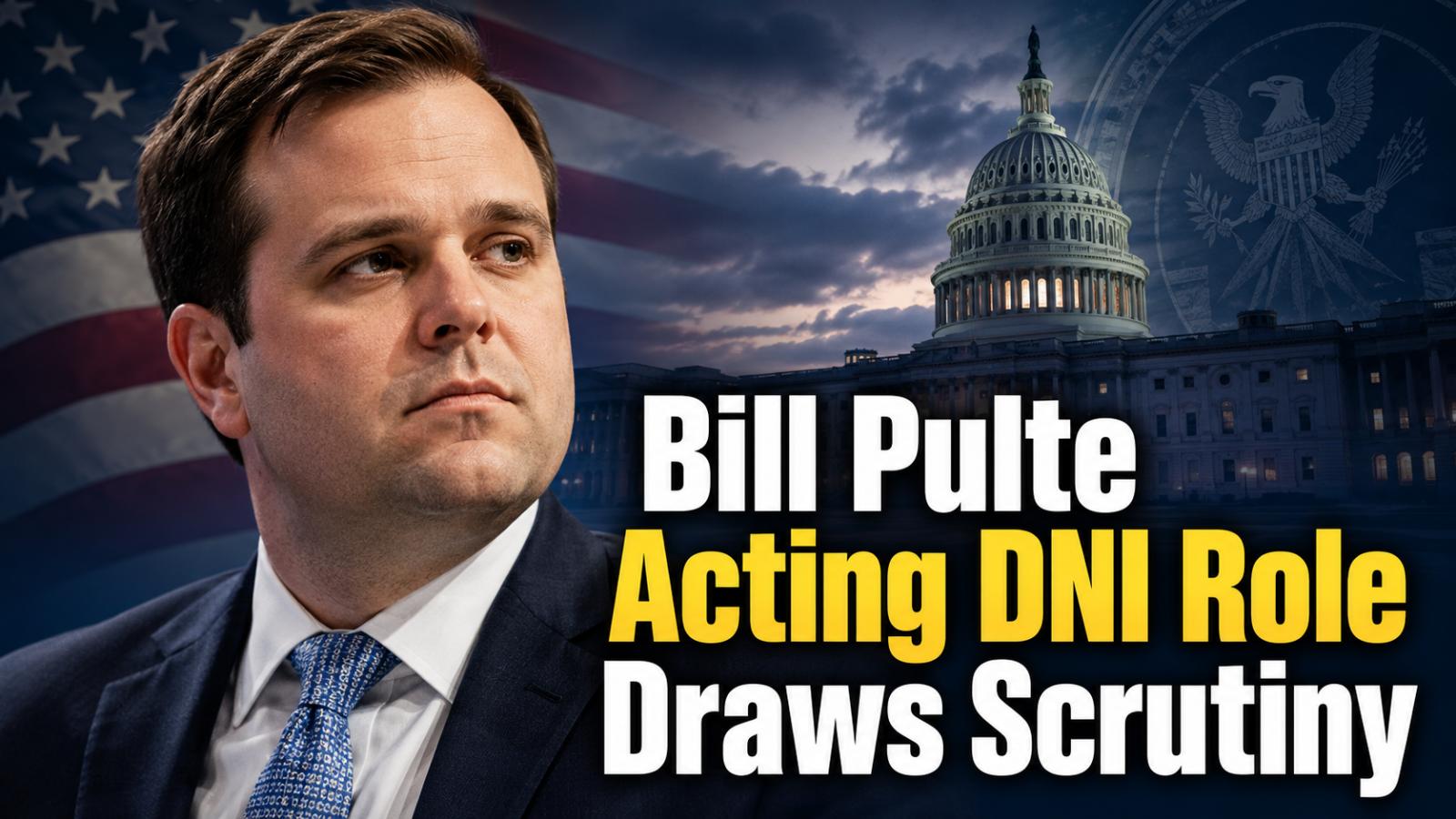
Bill Pulte Acting DNI Role Sparks Debate Over Experience, FHFA Power and Online Past
Bill Pulte’s temporary move into the acting Director of National Intelligence role has quickly become one of the most debated political stories in Washington. President Donald Trump selected Pulte, the head of the Federal Housing Finance Agency, for the acting intelligence post, creating immediate questions about experience, authority and national security judgment. Pulte is not a traditional intelligence figure. His public career has been built around business, housing finance, politics and online influence, not foreign threats, classified briefings or intelligence operations. That contrast is the main reason his appointment is drawing attention from both supporters and critics. Trump has said Pulte will not be nominated for the permanent DNI position, which makes the role temporary. But even a short-term intelligence appointment matters because the office is connected to highly sensitive information, national security decisions and coordination across America’s intelligence agencies. From Housing Regulator to Intelligence Role Before this acting intelligence assignment, Pulte was best known for leading the Federal Housing Finance Agency. The FHFA plays a major role in the U.S. housing market because it oversees important housing finance institutions connected to Fannie Mae and Freddie Mac. That is a powerful financial position, but it is very different from managing intelligence matters. Housing regulation deals with mortgage markets, financial stability and housing policy. The DNI role deals with threats from foreign governments, cyber risks, classified intelligence, terrorism, surveillance and national security strategy. This gap is what makes the appointment controversial. Supporters argue that Pulte has handled sensitive financial responsibilities and understands large institutions. Critics say that financial oversight is not the same as national security leadership. Experience Questions Become the Main Issue The biggest concern around Bill Pulte’s acting DNI role is experience. Lawmakers and national security observers are asking whether someone without a long intelligence background should temporarily lead such a sensitive part of the federal government. The debate is not only about Pulte personally. It is also about the standard expected for intelligence leadership. The U.S. intelligence system depends on trust, professionalism and careful handling of classified material. Any appointment to that space naturally receives closer scrutiny than an ordinary political post. For Trump’s supporters, Pulte represents an outsider who is loyal, energetic and willing to challenge Washington habits. For critics, that same outsider status is the problem. They argue that the intelligence community is not the right place for political experimentation. Online Past Adds Another Layer to the Debate Pulte’s online history is also part of the discussion. Before becoming a major government figure, he built a large public following through social media activity and online philanthropy. He became known for giving money to people online, interacting directly with followers and building a strong digital image. That online presence helped him gain popularity among everyday users and retail investor communities. But in Washington, a large and emotional online following can be viewed in two ways. It can be seen as proof of public connection, or it can raise questions about judgment, influence and political messaging. This is why his online past has returned to the spotlight. The acting DNI role is not just another public-facing job. It is tied to classified information and national security. Public behavior, online statements and political alliances are therefore being examined more closely. Meme Stock and Bed Bath Beyond Links Resurface Another part of Pulte’s public image comes from his connection with retail investor circles, especially communities that followed meme-stock stories. His name became familiar among online groups that discussed companies such as Bed Bath & Beyond after its collapse. Some retail investors continued to believe that the company could return in a new form. Pulte appeared in related discussions and became a known figure among people following that story. Bed Bath & Beyond was not revived in the way many online supporters hoped, but the association remained part of his public profile. This does not automatically disqualify him from public service. But it does shape perception. Critics may use it to question seriousness and judgment, while supporters may argue that it shows he understands ordinary investors and online communities better than traditional Washington insiders. Why National Security Critics Are Concerned The concern around Pulte’s acting DNI role is simple: intelligence leadership carries real consequences. The person in that position may be connected to information about foreign threats, cyberattacks, military risks, surveillance programs and sensitive government operations. Critics worry that a politically loyal figure with limited intelligence experience could weaken public confidence in the office. They also worry about whether sensitive intelligence could become part of political battles. This is where the debate becomes bigger than Pulte. The appointment raises a broader question: should temporary intelligence leaders come from inside the national security world, or can presidents place trusted political allies in those roles for short periods? Supporters See Loyalty and Business Discipline Pulte’s supporters view the issue differently. They argue that Washington often protects insiders and resists outsiders who challenge the system. From their perspective, Pulte’s business background and FHFA leadership show that he can manage complex institutions. They also say Trump wants people he trusts in key government roles. In a temporary acting position, supporters believe Pulte can bring discipline, loyalty and fresh thinking without needing to become a lifelong intelligence professional. This argument may appeal to voters who are tired of traditional Washington appointments. However, it may not fully answer the core concern: intelligence work is specialized, and mistakes in that space can be costly. Political Loyalty Becomes Part of the Story Pulte is widely seen as a Trump ally, and that political connection is central to the controversy. In normal circumstances, presidents often choose people they trust. But intelligence roles are expected to maintain a high level of independence and professionalism. That is why political loyalty becomes sensitive here. If the public sees the intelligence office as too political, trust can fall. If lawmakers believe the role is being used for political purposes, confirmation fights and oversight battles become more intense. Trump’s decision to keep the role temporary may reduce some pressure, but it does not end the debate. Even temporary appointments can influence policy, access information and send a message about how the administration views intelligence leadership. What This Means for Pulte and Trump For Bill Pulte, the acting DNI role brings national attention far beyond housing policy. His FHFA record, online past, meme-stock associations and political loyalty are all now being discussed together. For Trump, the appointment fits a familiar pattern of choosing loyal outsiders for powerful roles. That approach energizes supporters but often creates friction with lawmakers, experts and institutions. The political risk is clear. If Pulte performs quietly and temporarily, the controversy may fade. If he becomes involved in highly political intelligence matters, the scrutiny will grow much stronger. Final Takeaway Bill Pulte’s acting DNI role is not just a personnel story. It is a test of how far political loyalty, business experience and outsider appeal can go in a role traditionally tied to national security expertise. His supporters see a capable Trump ally with financial leadership experience. His critics see a housing regulator with limited intelligence credentials and a complicated online image entering one of the most sensitive areas of government. For now, the role is temporary. But the debate around Bill Pulte, the FHFA, online influence, meme-stock culture and U.S. intelligence leadership is likely to remain a major Washington talking point.
Bill Pulte Acting DNI Role Sparks Debate Over Experience, FHFA Power and Online Past
Bill Pulte’s temporary move into the acting Director of National Intelligence role has quickly become one of the most debated political stories in Washington. President Donald Trump selected Pulte, the head of the Federal Housing Finance Agency, for the acting intelligence post, creating immediate questions about experience, authority and national security judgment. Pulte is not a traditional intelligence figure. His public career has been built around business, housing finance, politics and online influence, not foreign threats, classified briefings or intelligence operations. That contrast is the main reason his appointment is drawing attention from both supporters and critics. Trump has said Pulte will not be nominated for the permanent DNI position, which makes the role temporary. But even a short-term intelligence appointment matters because the office is connected to highly sensitive information, national security decisions and coordination across America’s intelligence agencies. From Housing Regulator to Intelligence Role Before this acting intelligence assignment, Pulte was best known for leading the Federal Housing Finance Agency. The FHFA plays a major role in the U.S. housing market because it oversees important housing finance institutions connected to Fannie Mae and Freddie Mac. That is a powerful financial position, but it is very different from managing intelligence matters. Housing regulation deals with mortgage markets, financial stability and housing policy. The DNI role deals with threats from foreign governments, cyber risks, classified intelligence, terrorism, surveillance and national security strategy. This gap is what makes the appointment controversial. Supporters argue that Pulte has handled sensitive financial responsibilities and understands large institutions. Critics say that financial oversight is not the same as national security leadership. Experience Questions Become the Main Issue The biggest concern around Bill Pulte’s acting DNI role is experience. Lawmakers and national security observers are asking whether someone without a long intelligence background should temporarily lead such a sensitive part of the federal government. The debate is not only about Pulte personally. It is also about the standard expected for intelligence leadership. The U.S. intelligence system depends on trust, professionalism and careful handling of classified material. Any appointment to that space naturally receives closer scrutiny than an ordinary political post. For Trump’s supporters, Pulte represents an outsider who is loyal, energetic and willing to challenge Washington habits. For critics, that same outsider status is the problem. They argue that the intelligence community is not the right place for political experimentation. Online Past Adds Another Layer to the Debate Pulte’s online history is also part of the discussion. Before becoming a major government figure, he built a large public following through social media activity and online philanthropy. He became known for giving money to people online, interacting directly with followers and building a strong digital image. That online presence helped him gain popularity among everyday users and retail investor communities. But in Washington, a large and emotional online following can be viewed in two ways. It can be seen as proof of public connection, or it can raise questions about judgment, influence and political messaging. This is why his online past has returned to the spotlight. The acting DNI role is not just another public-facing job. It is tied to classified information and national security. Public behavior, online statements and political alliances are therefore being examined more closely. Meme Stock and Bed Bath Beyond Links Resurface Another part of Pulte’s public image comes from his connection with retail investor circles, especially communities that followed meme-stock stories. His name became familiar among online groups that discussed companies such as Bed Bath & Beyond after its collapse. Some retail investors continued to believe that the company could return in a new form. Pulte appeared in related discussions and became a known figure among people following that story. Bed Bath & Beyond was not revived in the way many online supporters hoped, but the association remained part of his public profile. This does not automatically disqualify him from public service. But it does shape perception. Critics may use it to question seriousness and judgment, while supporters may argue that it shows he understands ordinary investors and online communities better than traditional Washington insiders. Why National Security Critics Are Concerned The concern around Pulte’s acting DNI role is simple: intelligence leadership carries real consequences. The person in that position may be connected to information about foreign threats, cyberattacks, military risks, surveillance programs and sensitive government operations. Critics worry that a politically loyal figure with limited intelligence experience could weaken public confidence in the office. They also worry about whether sensitive intelligence could become part of political battles. This is where the debate becomes bigger than Pulte. The appointment raises a broader question: should temporary intelligence leaders come from inside the national security world, or can presidents place trusted political allies in those roles for short periods? Supporters See Loyalty and Business Discipline Pulte’s supporters view the issue differently. They argue that Washington often protects insiders and resists outsiders who challenge the system. From their perspective, Pulte’s business background and FHFA leadership show that he can manage complex institutions. They also say Trump wants people he trusts in key government roles. In a temporary acting position, supporters believe Pulte can bring discipline, loyalty and fresh thinking without needing to become a lifelong intelligence professional. This argument may appeal to voters who are tired of traditional Washington appointments. However, it may not fully answer the core concern: intelligence work is specialized, and mistakes in that space can be costly. Political Loyalty Becomes Part of the Story Pulte is widely seen as a Trump ally, and that political connection is central to the controversy. In normal circumstances, presidents often choose people they trust. But intelligence roles are expected to maintain a high level of independence and professionalism. That is why political loyalty becomes sensitive here. If the public sees the intelligence office as too political, trust can fall. If lawmakers believe the role is being used for political purposes, confirmation fights and oversight battles become more intense. Trump’s decision to keep the role temporary may reduce some pressure, but it does not end the debate. Even temporary appointments can influence policy, access information and send a message about how the administration views intelligence leadership. What This Means for Pulte and Trump For Bill Pulte, the acting DNI role brings national attention far beyond housing policy. His FHFA record, online past, meme-stock associations and political loyalty are all now being discussed together. For Trump, the appointment fits a familiar pattern of choosing loyal outsiders for powerful roles. That approach energizes supporters but often creates friction with lawmakers, experts and institutions. The political risk is clear. If Pulte performs quietly and temporarily, the controversy may fade. If he becomes involved in highly political intelligence matters, the scrutiny will grow much stronger. Final Takeaway Bill Pulte’s acting DNI role is not just a personnel story. It is a test of how far political loyalty, business experience and outsider appeal can go in a role traditionally tied to national security expertise. His supporters see a capable Trump ally with financial leadership experience. His critics see a housing regulator with limited intelligence credentials and a complicated online image entering one of the most sensitive areas of government. For now, the role is temporary. But the debate around Bill Pulte, the FHFA, online influence, meme-stock culture and U.S. intelligence leadership is likely to remain a major Washington talking point.
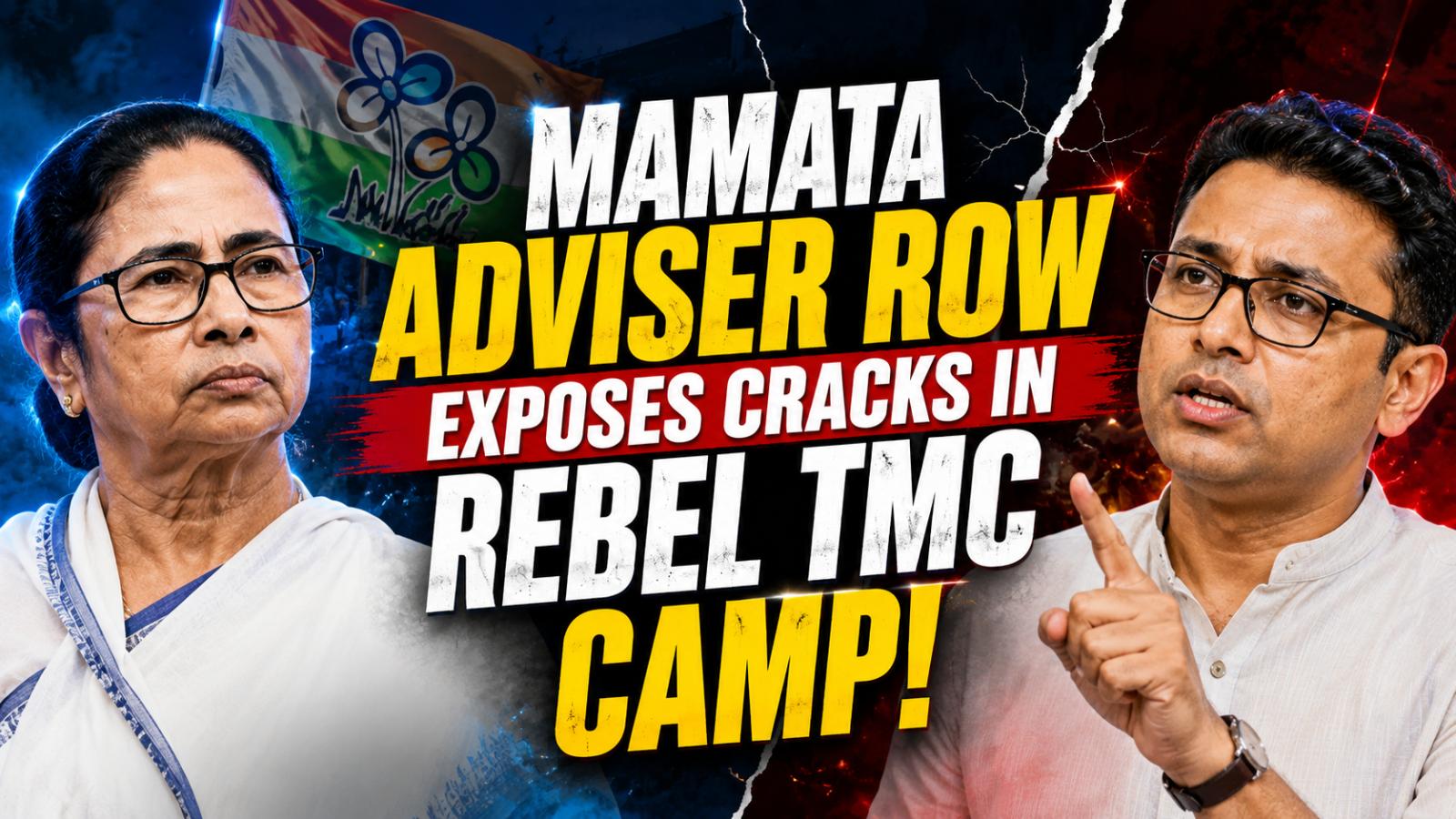
Mamata Banerjee Adviser Row Exposes Cracks In Rebel TMC Camp
Less than 48 hours after 60 rebel MLAs took control of the Trinamool Congress legislature party by defying party chief Mamata Banerjee, signs of internal trouble have begun to surface within the Ritabrata Banerjee-led camp. The disagreement is centred on Mamata Banerjee’s future role in the party and whether she should remain the supreme leader or be limited to the position of a chief adviser. Ritabrata Banerjee, who has now been recognised as the Leader of the Opposition, had said that the rebel group did not intend to split the Trinamool Congress. In their letter to the Assembly Speaker, the rebel MLAs reportedly mentioned Mamata Banerjee as the party chief. However, Ritabrata’s public suggestion that Mamata should serve as a “chief adviser” to the opposition front has created unease among several MLAs who still owe their political loyalty to her. The rebellion inside the TMC was not entirely directed against Mamata Banerjee herself. According to the developments emerging from the rebel camp, much of the anger among MLAs was aimed at Abhishek Banerjee, Mamata’s nephew and the party’s de facto number two. Several rebel leaders were reportedly unhappy with his leadership style and the growing perception that decision-making within the party had become increasingly centralised around him. The tensions deepened after the controversy known as “Signgate”, in which some Trinamool MLAs alleged that their signatures had been forged in a letter supporting Sobhandeb Chattopadhyay as Leader of the Opposition. That episode appears to have intensified resentment within the party and pushed several MLAs toward the rebel bloc. However, their rebellion against the current party structure has not translated into a complete rejection of Mamata Banerjee’s leadership. Several MLAs in the Ritabrata-led camp continue to see Mamata as the central figure of the Trinamool Congress. Rebel MLA Gulshan Mullick said that they had been told the party would continue under Mamata’s leadership and that she could not be treated merely as an adviser. He warned that if Mamata was not accepted as the supreme leader, some MLAs might reconsider whether they should remain in the rebel bloc. Sitai MLA Sangeeta Roy Basunia also rejected the idea of Mamata being shifted into an advisory role. She said Mamata Banerjee remained their supreme leader and could not be reduced to an adviser. These statements have exposed the first major challenge for Ritabrata Banerjee after taking charge as Leader of the Opposition. Ritabrata Bloc Faces Its First Big Political Test The dispute highlights the contradiction at the heart of the rebellion. On one hand, the MLAs have challenged the party’s existing leadership structure and defied Mamata Banerjee’s directions. On the other hand, many of them are unwilling to abandon their political and emotional association with the leader who founded the Trinamool Congress after breaking away from the Congress in 1998. This contradiction could become difficult for the rebel bloc to manage. If the group continues to project Mamata as its leader while acting against her instructions, it may struggle to build a clear political identity. At the same time, if Ritabrata attempts to sideline Mamata completely, he risks losing MLAs who joined the rebellion mainly out of anger against Abhishek Banerjee and the internal functioning of the party, not against Mamata herself. The Trinamool Congress has always been closely identified with Mamata Banerjee’s personality, leadership style and mass appeal. Unlike some other regional parties where factional battles are driven by ideology, caste equations or leadership succession, the current TMC crisis appears more rooted in internal control, authority and resentment over the party’s power structure. That makes Mamata’s role even more sensitive. Political observers believe the rebel bloc may face further instability if Ritabrata Banerjee fails to clearly define Mamata Banerjee’s position. If he accepts her as the supreme leader, the rebellion may appear incomplete. If he rejects her authority, the bloc could lose MLAs who still depend on Mamata’s image and legacy for political legitimacy. For now, Mamata Banerjee remains the biggest unifying force within the Trinamool Congress, even among those who have rebelled against the party leadership. The developments show that Ritabrata Banerjee’s biggest challenge may not be defeating the ruling side inside the Assembly, but keeping his own rebel camp together. The coming days will decide whether the bloc survives as a serious political force or begins to break apart under the weight of its own contradictions.
Mamata Banerjee Adviser Row Exposes Cracks In Rebel TMC Camp
Less than 48 hours after 60 rebel MLAs took control of the Trinamool Congress legislature party by defying party chief Mamata Banerjee, signs of internal trouble have begun to surface within the Ritabrata Banerjee-led camp. The disagreement is centred on Mamata Banerjee’s future role in the party and whether she should remain the supreme leader or be limited to the position of a chief adviser. Ritabrata Banerjee, who has now been recognised as the Leader of the Opposition, had said that the rebel group did not intend to split the Trinamool Congress. In their letter to the Assembly Speaker, the rebel MLAs reportedly mentioned Mamata Banerjee as the party chief. However, Ritabrata’s public suggestion that Mamata should serve as a “chief adviser” to the opposition front has created unease among several MLAs who still owe their political loyalty to her. The rebellion inside the TMC was not entirely directed against Mamata Banerjee herself. According to the developments emerging from the rebel camp, much of the anger among MLAs was aimed at Abhishek Banerjee, Mamata’s nephew and the party’s de facto number two. Several rebel leaders were reportedly unhappy with his leadership style and the growing perception that decision-making within the party had become increasingly centralised around him. The tensions deepened after the controversy known as “Signgate”, in which some Trinamool MLAs alleged that their signatures had been forged in a letter supporting Sobhandeb Chattopadhyay as Leader of the Opposition. That episode appears to have intensified resentment within the party and pushed several MLAs toward the rebel bloc. However, their rebellion against the current party structure has not translated into a complete rejection of Mamata Banerjee’s leadership. Several MLAs in the Ritabrata-led camp continue to see Mamata as the central figure of the Trinamool Congress. Rebel MLA Gulshan Mullick said that they had been told the party would continue under Mamata’s leadership and that she could not be treated merely as an adviser. He warned that if Mamata was not accepted as the supreme leader, some MLAs might reconsider whether they should remain in the rebel bloc. Sitai MLA Sangeeta Roy Basunia also rejected the idea of Mamata being shifted into an advisory role. She said Mamata Banerjee remained their supreme leader and could not be reduced to an adviser. These statements have exposed the first major challenge for Ritabrata Banerjee after taking charge as Leader of the Opposition. Ritabrata Bloc Faces Its First Big Political Test The dispute highlights the contradiction at the heart of the rebellion. On one hand, the MLAs have challenged the party’s existing leadership structure and defied Mamata Banerjee’s directions. On the other hand, many of them are unwilling to abandon their political and emotional association with the leader who founded the Trinamool Congress after breaking away from the Congress in 1998. This contradiction could become difficult for the rebel bloc to manage. If the group continues to project Mamata as its leader while acting against her instructions, it may struggle to build a clear political identity. At the same time, if Ritabrata attempts to sideline Mamata completely, he risks losing MLAs who joined the rebellion mainly out of anger against Abhishek Banerjee and the internal functioning of the party, not against Mamata herself. The Trinamool Congress has always been closely identified with Mamata Banerjee’s personality, leadership style and mass appeal. Unlike some other regional parties where factional battles are driven by ideology, caste equations or leadership succession, the current TMC crisis appears more rooted in internal control, authority and resentment over the party’s power structure. That makes Mamata’s role even more sensitive. Political observers believe the rebel bloc may face further instability if Ritabrata Banerjee fails to clearly define Mamata Banerjee’s position. If he accepts her as the supreme leader, the rebellion may appear incomplete. If he rejects her authority, the bloc could lose MLAs who still depend on Mamata’s image and legacy for political legitimacy. For now, Mamata Banerjee remains the biggest unifying force within the Trinamool Congress, even among those who have rebelled against the party leadership. The developments show that Ritabrata Banerjee’s biggest challenge may not be defeating the ruling side inside the Assembly, but keeping his own rebel camp together. The coming days will decide whether the bloc survives as a serious political force or begins to break apart under the weight of its own contradictions.

Harmony Foundation Highlights Crisis Facing Children in Conflict Areas
PUNE — On June 4, observed globally as the International Day of Innocent Children Victims of Aggression, the Harmony Foundation urged stronger measures to safeguard children suffering in conflict zones. Dr. Abraham Mathai, founder-chairman of the Harmony Foundation and former chairman of the Maharashtra State Minorities Commission, condemned the escalating violence affecting children in war-torn regions worldwide. He highlighted the extreme hardships faced by children in areas suc
Harmony Foundation Highlights Crisis Facing Children in Conflict Areas
PUNE — On June 4, observed globally as the International Day of Innocent Children Victims of Aggression, the Harmony Foundation urged stronger measures to safeguard children suffering in conflict zones. Dr. Abraham Mathai, founder-chairman of the Harmony Foundation and former chairman of the Maharashtra State Minorities Commission, condemned the escalating violence affecting children in war-torn regions worldwide. He highlighted the extreme hardships faced by children in areas suc
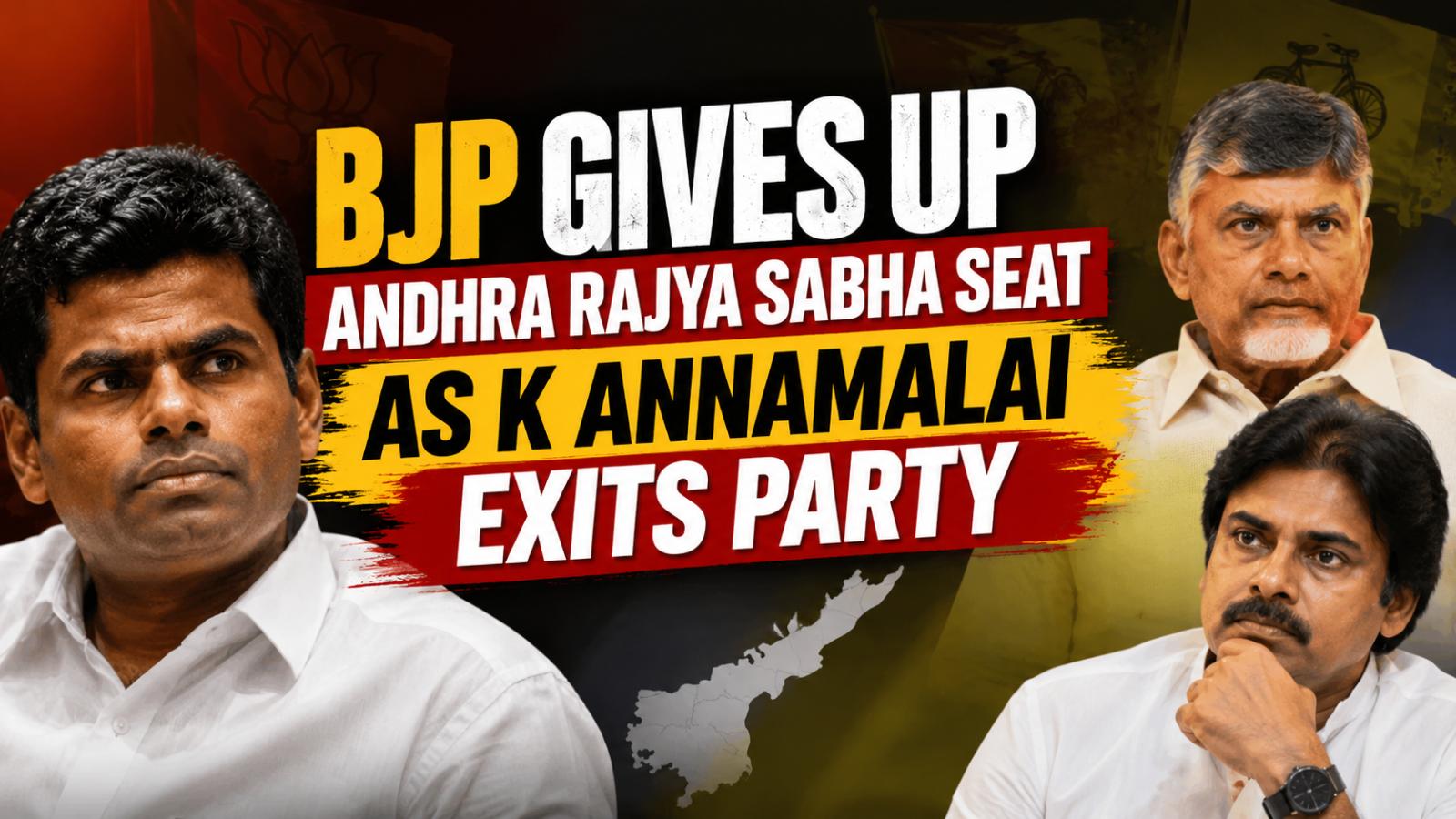
BJP Steps Back from Andhra Rajya Sabha Seat Amid Annamalai Exit
The Bharatiya Janata Party (BJP) has officially relinquished its claim to a Rajya Sabha seat in Andhra Pradesh following the resignation of former Tamil Nadu BJP chief K Annamalai. The change in the seat-sharing arrangement among NDA allies reallocates three of the four vacant Rajya Sabha seats to the Telugu Desam Party (TDP) and one seat to the Jana Sena Party (JSP). This revised formula was finalized after a high-level meeting in Amaravati on Thursday, June 4, 2026, attended by Andhra Prade
BJP Steps Back from Andhra Rajya Sabha Seat Amid Annamalai Exit
The Bharatiya Janata Party (BJP) has officially relinquished its claim to a Rajya Sabha seat in Andhra Pradesh following the resignation of former Tamil Nadu BJP chief K Annamalai. The change in the seat-sharing arrangement among NDA allies reallocates three of the four vacant Rajya Sabha seats to the Telugu Desam Party (TDP) and one seat to the Jana Sena Party (JSP). This revised formula was finalized after a high-level meeting in Amaravati on Thursday, June 4, 2026, attended by Andhra Prade