- 27 May 2026
- 1 posts
As more individuals seek to modify or completely remove tattoos, dermatology clinics are integrating advanced laser technologies into their treatment portfolios. This shift reflects broader changes in patient expectations, where safety, precision, and minimal downtime are becoming key decision factors. Understanding how these technologies are being adopted offers insight into the evolving landscape of cosmetic dermatology.
Rising Demand for Aesthetic Correction Procedures
The growing popularity of tattoos over the past decade has naturally led to an increase in individuals seeking removal solutions. Changes in personal preferences, professional requirements, or lifestyle choices are common reasons behind this demand. Cosmetic dermatology clinics are responding by expanding their service offerings to include tattoo removal procedures alongside other aesthetic treatments. This shift highlights a broader transformation in patient behavior, where flexibility and reversibility are valued in cosmetic decisions.
In parallel, technological advancements have made laser-based removal more accessible and effective. Earlier methods were often associated with discomfort and inconsistent results, whereas modern systems offer improved precision and reduced recovery time. As a result, clinics are increasingly investing in these systems to meet patient expectations and maintain competitive positioning within the aesthetic care segment.
Technology Advancements Driving Clinical Adoption
The adoption of laser systems in dermatology clinics is closely tied to ongoing innovations in laser technology. Devices such as Q-switched and picosecond lasers have significantly improved the ability to target ink particles without damaging surrounding skin tissue. These advancements allow practitioners to address a wider range of tattoo colors and skin types, expanding the applicability of the procedure across diverse patient groups.
According to a study by MarkNtel Advisors, the global tattoo removal laser industry is witnessing steady expansion, driven by increasing demand for aesthetic treatments and continuous improvements in laser-based technologies. Clinics are prioritizing equipment that offers consistent outcomes, shorter treatment durations, and enhanced patient comfort, which collectively support broader adoption across cosmetic dermatology settings.
Clinical Applications and Treatment Outcomes
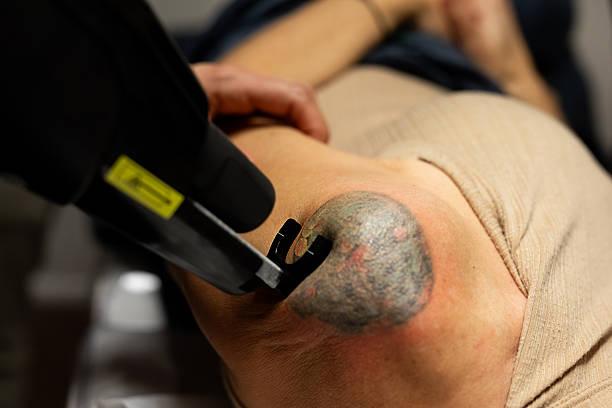
Laser-based tattoo removal is now considered a standard offering in many cosmetic dermatology clinics. The procedure involves directing focused light energy into the skin to break down tattoo pigments, which are then gradually eliminated by the body’s immune system. This method is widely preferred due to its non-invasive nature and relatively low risk profile when performed by trained professionals.
In addition to tattoo removal, similar laser technologies are also being used for other dermatological applications such as pigmentation correction, scar reduction, and skin rejuvenation. This multi-functionality enhances the value proposition for clinics, allowing them to optimize equipment utilization across various treatments.
The increasing use of laser treatments in dermatology is supported by global health organizations emphasizing safe and regulated aesthetic practices. According to World Health Organization, the adoption of medical-grade technologies in clinical settings contributes to improved patient safety and treatment outcomes when guided by proper standards and training.
Regional Adoption Patterns Across Cosmetic Clinics
Adoption of tattoo removal technologies varies across regions, influenced by cultural trends, regulatory frameworks, and healthcare infrastructure. In developed regions, cosmetic dermatology clinics have been early adopters of advanced laser systems due to higher patient awareness and spending capacity. Meanwhile, emerging markets are witnessing gradual uptake as access to aesthetic treatments expands and disposable incomes rise.
Urban centers, in particular, are driving this adoption due to higher concentrations of specialized clinics and trained practitioners. Clinics in these areas often invest in the latest technologies to differentiate their services and attract a broader patient base. This regional variation highlights the importance of localized strategies when evaluating adoption patterns in cosmetic dermatology.
Regulatory bodies also play a key role in shaping adoption. According to the U.S. Food and Drug Administration, laser devices used for dermatological procedures must meet stringent safety and efficacy standards before being approved for clinical use. Such regulations help ensure that patients receive safe and reliable treatments across certified facilities.
Challenges in Adoption and Clinical Integration
Despite the growing interest, several challenges continue to influence the pace of adoption in cosmetic dermatology clinics. One of the primary barriers is the high initial investment required for advanced laser systems. Smaller clinics may face financial constraints when considering the acquisition of such equipment, particularly in competitive markets.
Additionally, the need for specialized training and certification can limit adoption. Effective use of laser technologies requires skilled practitioners who understand skin types, tattoo compositions, and appropriate treatment protocols. Without adequate expertise, the risk of complications may increase, potentially affecting patient outcomes and clinic reputation.
Patient-related factors, such as varying skin responses and the need for multiple treatment sessions, also influence overall satisfaction levels. As noted by the Centers for Disease Control and Prevention, adherence to proper clinical practices and patient education is essential in minimizing risks associated with dermatological procedures.
Competitive Landscape and Key Companies
The competitive landscape of laser technology providers is shaped by continuous innovation and product development. Companies operating in this space focus on enhancing device efficiency, safety features, and user interface design to meet the evolving needs of dermatology clinics. The report highlights several key players contributing to the development and distribution of advanced tattoo removal laser systems, including Cynosure, Inc., Alma Lasers, Lumenis Ltd., Cutera, Inc., Fotona, and Syneron Medical Ltd.
These companies are actively investing in research and development to introduce next-generation devices capable of delivering improved clinical outcomes. Their efforts are also directed toward expanding global distribution networks and providing training support to healthcare professionals, thereby facilitating broader adoption across cosmetic dermatology settings.
Tattoo removal laser technologies continue to reshape service offerings within cosmetic dermatology clinics. As patient demand for safe and effective aesthetic treatments evolves, clinics are increasingly integrating advanced laser systems into their practices. While challenges related to cost and expertise remain, ongoing technological advancements and supportive regulatory frameworks are expected to encourage wider adoption. This trajectory suggests that laser-based procedures may play an increasingly important role in the future of aesthetic dermatology.