- 27 Aug 2026
- 3 posts
India’s juice industry is entering a period of steady transformation as consumers become increasingly interested in convenient beverages, fruit-based nutrition, and a wider range of packaged drink options. Alongside changing consumption habits, improvements in food processing, supply-chain infrastructure, packaging technologies, and organized retail are creating stronger foundations for long-term market development.
According to the supplied Vyansa Intelligence analysis, the India juice sector was valued at USD 4.45 billion in 2025 and is projected to reach USD 7.39 billion by 2032, representing a 7.52% CAGR from 2026 to 2032.
Changing Beverage Preferences Support Market Growth
Urbanization, rising disposable incomes, and increasingly busy lifestyles are influencing how Indian consumers purchase beverages. Packaged juice offers a convenient alternative for people who want fruit-based drinks without the preparation associated with fresh fruit, making it suitable for breakfast, travel, work, school, and other everyday occasions.
The category includes fruit juices, nectars, fruit drinks, vegetable-based beverages, and blended formulations, allowing manufacturers to serve consumers across different price points and taste preferences.
Health Awareness Is Reshaping Product Development
Health and nutrition are becoming increasingly important considerations when purchasing packaged beverages. Consumers are paying greater attention to ingredient lists, fruit content, sugar levels, and nutritional positioning, encouraging manufacturers to develop products with clearer labeling and fruit-focused formulations.
This shift does not replace conventional products but expands opportunities for beverages designed around changing consumer expectations. As awareness of balanced diets grows, brands are increasingly competing through transparency, product composition, and perceived nutritional value.
Regulatory Standards Create Product Clarity
India’s regulatory framework distinguishes different types of fruit-based beverages, helping consumers better understand product composition. The Food Safety and Standards Authority of India (FSSAI) specifies fruit-content requirements for carbonated fruit beverages and fruit drinks, creating clearer distinctions between various packaged juice products.
These standards make accurate labeling increasingly important because products with different fruit concentrations often appear within the same broader beverage category. Compliance with fruit beverage regulations helps manufacturers maintain product consistency while providing consumers with greater transparency.
Fruit Processing Strengthens the Industry Foundation
India’s large horticultural sector provides an important foundation for juice production. The country’s diverse fruit cultivation creates opportunities to process seasonal produce into value-added products such as juices, concentrates, pulps, and nectars.
Processing plays a particularly important role because fruits are highly perishable. Converting fresh produce into packaged beverages can extend usability, reduce wastage, and create additional commercial opportunities across the food-processing value chain.
This close relationship between agriculture and manufacturing makes processing capacity an essential component of long-term industry growth.
Processing Infrastructure Is Becoming More Advanced
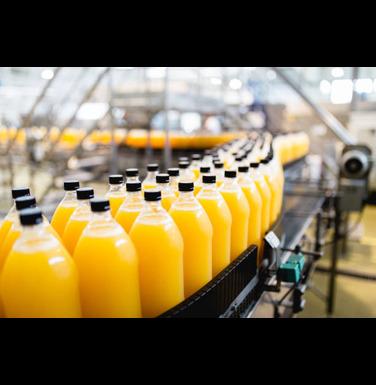
Modern juice production involves several technical stages, including extraction, filtration, clarification, pasteurization, concentration where applicable, and packaging. Investments in processing equipment help improve production efficiency while supporting consistent product quality.
As manufacturers expand processing capacity, they become better positioned to convert agricultural output into shelf-stable products that can reach consumers across different regions. Improved infrastructure also supports higher production volumes and broader product diversification.
Reducing Post-Harvest Losses Remains Important
Fresh fruits require efficient transportation, storage, and processing to minimize losses before reaching manufacturing facilities. Improving coordination between farms, collection centers, processors, and distributors can strengthen raw-material availability throughout the year.
The Ministry of Food Processing Industries has introduced initiatives designed to improve these connections through primary processing centers, collection facilities, modern retail linkages, and temperature-controlled transportation. Better supply-chain infrastructure can therefore help juice manufacturers improve efficiency while reducing waste.
Regional Fruit Diversity Encourages Innovation
India’s diverse agricultural landscape creates opportunities for both mainstream and regionally distinctive beverage products. Mango, orange, apple, pineapple, guava, grape, and mixed-fruit juices remain familiar choices, while localized flavors provide additional opportunities for product differentiation.
Regional sourcing allows manufacturers to develop products that align with local taste preferences while supporting agricultural production across different states.
Mango Remains an Important Beverage Ingredient
Mango occupies a particularly important position within India’s fruit economy and supports multiple processed-food applications, including beverages. Mango-based products can appeal to consumers because of their familiar taste while allowing manufacturers to introduce different pack sizes, formulations, and premium variations.
Improved processing infrastructure also helps extend the commercial availability of mango products beyond seasonal harvest periods.
Packaging Supports Convenience and Distribution
Packaging remains central to juice distribution because products must remain stable during transportation, storage, and retail display. Cartons, PET bottles, glass bottles, cans, and pouches each serve different consumption occasions and consumer preferences.
Family-sized packs remain suitable for household use, while smaller formats provide portability for commuters, students, and office workers. Packaging also contributes to shelf visibility, product protection, and transportation efficiency.
Single-Serve Formats Continue Growing
Smaller juice packs have become increasingly relevant as consumers look for beverages that fit into busy daily routines. Individual portions can be used during commuting, travel, school, and work while also helping manufacturers create clearly defined price points.
Offering both single-serve and family-sized formats allows companies to address multiple consumer segments without relying on a single packaging strategy.
Retail Expansion Broadens Consumer Access
Modern retail formats are increasing the visibility of packaged juice products across India. Supermarkets, hypermarkets, convenience stores, and organized retail outlets provide consumers with broader product selections while creating opportunities for premium, organic, and differentiated beverage offerings.
Traditional retail continues to play an equally important role, particularly in smaller cities and towns, making comprehensive distribution networks essential for manufacturers seeking nationwide market coverage.
E-Commerce Adds Another Growth Channel
Online grocery platforms are creating additional opportunities for beverage discovery and purchasing. Digital retail allows consumers to compare pack sizes, ingredient lists, nutritional information, and product reviews before making purchasing decisions.
For manufacturers, e-commerce complements physical retail by improving access to urban consumers and expanding visibility for specialized products that may have limited shelf space in conventional stores.
Premium Products Create Value Opportunities
Premiumization provides another avenue for growth within India’s competitive beverage market. Products emphasizing higher fruit content, distinctive ingredients, organic positioning, or specialized processing methods can appeal to consumers willing to pay more for differentiated offerings.
However, premium positioning must continue balancing quality with affordability because India’s consumer base includes a wide range of income groups and purchasing priorities.
Functional Beverages Expand Market Potential
Manufacturers are increasingly exploring juice products positioned around vitamins, fruit combinations, natural ingredients, and other nutritional characteristics. Functional beverages appeal to consumers seeking drinks that combine convenience with perceived health benefits.
Such positioning creates opportunities for portfolio diversification while requiring careful compliance with applicable nutrition and health-claim regulations.
Sugar Awareness Influences Formulations
Consumers are becoming more attentive to the differences between 100% fruit juice, nectar, fruit drinks, and other beverage formulations. Greater awareness of ingredient composition encourages manufacturers to develop clearly differentiated product ranges rather than relying on similar formulations across all market segments.
Accurate labeling and transparent communication remain important as consumers increasingly compare products based on nutritional characteristics.
Food Safety Supports Consumer Confidence
Consistent hygiene, quality control, and processing standards remain fundamental throughout juice manufacturing. Regulatory oversight covering processing conditions, microbiological quality, testing methods, and product composition helps maintain consumer confidence in packaged beverages.
Strong quality-management systems become increasingly important as manufacturers expand production and distribute products across wider geographic markets.
Cold Chain and Logistics Improve Efficiency
Efficient logistics remain essential because fresh fruits, concentrates, pulps, and finished beverages often require different storage and transportation conditions. Strengthening connections between production areas and processing facilities helps reduce unnecessary movement of highly perishable raw materials.
Better logistics can improve product availability while supporting more efficient production economics throughout the value chain.
Sustainability Is Becoming More Relevant
Environmental considerations are increasingly influencing packaging decisions across the beverage industry. Manufacturers are exploring lighter packaging, recyclable materials, and improved transportation efficiency while ensuring products remain adequately protected throughout distribution.
Balancing sustainability with food safety, shelf life, and consumer convenience will remain an important consideration as packaging continues evolving.
Competition Extends Beyond Traditional Juice
Juice producers compete with bottled water, carbonated soft drinks, dairy beverages, energy drinks, flavored beverages, and emerging functional drinks. Consumers can easily switch between categories depending on price, convenience, taste, and health perceptions.
As a result, manufacturers increasingly need to differentiate products through quality, packaging, nutritional positioning, and distribution rather than competing solely on flavor.
Outlook Through 2032
The outlook reflects a market supported by changing lifestyles, stronger food-processing capabilities, expanding retail access, and greater consumer attention to product composition. India’s large agricultural base provides significant opportunities for manufacturers to convert perishable fruits into value-added beverages while strengthening connections between farming, processing, and distribution.
Future product development is likely to focus on convenient packaging, regional fruit innovation, functional formulations, improved processing efficiency, and broader distribution networks. Companies that successfully combine affordability with quality, nutritional transparency, reliable supply chains, and consumer-focused innovation will be well positioned to capture growth opportunities through 2032.