- 25 Nov 2025
- 1 posts
Stubborn muscle knots often feel like small, tight marbles buried under layers of tension. They don’t respond to stretching, heating pads, or quick fixes because the real issue lies deep within the muscle fibers. Deep tissue massage works by reaching the layers where knots form, releasing them through sustained, purposeful pressure. It’s a technique built on understanding how the body stores stress, how muscles tighten in response to repeated strain, and how deliberate touch can restore natural mobility.
For people dealing with chronic tightness from desk work, long drives, or intense workouts, deep tissue massage can feel like the first time the body finally lets go. This article explains how that release happens not magically, but through biomechanics, circulation shifts, and the breakdown of long-held tension patterns.
How Stubborn Muscle Knots Form and Why They Don’t Loosen Easily
Muscle knots, often referred to as tight bands or tension clusters, develop when muscle fibers contract and stay contracted for too long. Instead of relaxing after movement or strain, these fibers remain partially shortened, creating a dense, sensitive area. Over time, the body adapts to this tension, turning it into a habitual pattern.
Everyday habits contribute to this more than people realise. Hours at a desk cause the shoulders to round forward and the neck to work overtime supporting the head. Long commutes lock the hips and lower back into rigid positions. Heavy workouts load the muscles repeatedly without giving them enough recovery time. In each case, certain fibers are forced to hold more weight, more tension, or more compensation than they’re built for.
When these fibers fatigue, they lack the oxygen-rich blood flow required to flush out waste products created by exertion. This reduced circulation causes the tissue to become sticky and congested. The body responds by tightening further, protecting the area but unintentionally creating a knot that feels immovable.
At a Massage Centre in Chennai, deep tissue therapists often see clients who assume their knots are caused by sudden strain, when in reality they have been building for weeks, even months. Deep tissue work focuses on these underlying layers and the areas daily habits quietly overload.
How Deep Pressure Reaches and Releases the Tightest Layers
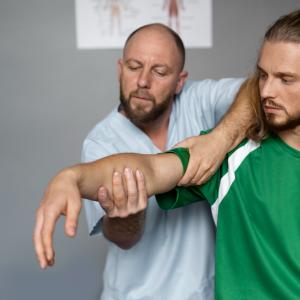
Deep tissue massage doesn’t mean pressing hard everywhere; it means pressing with precision. The goal is to sink through the outer muscles slowly until the therapist reaches the layer where the knot actually lives. Once there, the pressure can influence the fibers directly.
This slow descent through the tissue is essential. Muscles respond defensively to sudden force, but they respond cooperatively when pressure is gradual. As the therapist moves deeper, the muscle begins to soften around the touch. It’s a negotiation between tension and release.
Once the correct depth is reached, sustained pressure helps the contracted fibers unwind. Imagine a rope with a tight twist in the middle: pulling gently but steadily on both ends allows the twist to loosen. The same concept applies to muscle fibers. The pressure sends a signal to the nervous system that the area is no longer under threat, allowing the body to release the contraction.
Relatable moments highlight this:
- A desk worker feels a knot under the shoulder blade finally give way after days of discomfort.
- Someone with long commute stiffness notices their lower back settle into the table.
- A gym-goer feels the post-leg-day tightness in the quads slowly melt under the therapist’s hands.
Deep tissue work is not about pushing past pain; it’s about reaching the correct layer and restoring communication between tight fibers and the nervous system.
How Circulation Reopens Pathways That Knots Block
When a knot forms, circulation around the area becomes restricted. The muscles don’t get the nutrients, oxygen, and fluid turnover they need to stay elastic. This is why tight areas often feel colder, denser, or numb.
Deep tissue massage reopens these pathways. The pressure mimics a pump, pushing fluids through congested areas and allowing fresh blood to return as the therapist releases the stroke. This renewed flow helps the tissue become pliable again.
From a biomechanical perspective, muscles rely on circulation to maintain their glide the smooth sliding of fibers against each other. Without good flow, the fibers stick, making movement stiff or painful. Increased circulation reduces this friction, allowing the joints nearby to move with more freedom.
People often notice this shift immediately. After working on the upper back, the arms suddenly feel lighter. After releasing hip tension, the legs swing forward more naturally when walking. These sensations aren’t random; they are the direct result of better fluid movement through previously stagnant tissue.
How Trigger Point Breakdown Eases Referred Discomfort
Trigger points are small areas within a knot that can send discomfort to other parts of the body. A tight point in the shoulder blade might cause tension up the neck or behind the eye. A trigger point in the glute may refer to the lower back or hamstring.
Deep tissue massage identifies these points and applies slow, sustained pressure until they soften. When a trigger point releases, the referred discomfort often disappears with it. This breakdown happens because the pressure reduces the nerve irritation that caused the area to become hypersensitive.
In a Massage Center in Velachery, therapists frequently see clients surprised by how a single release in one muscle can unlock a chain of relief. The reason is biomechanical: muscles work in teams. When one member is stuck, the others compensate, often creating tension in distant areas.
Deep tissue techniques help restore balance within these teams, reducing the load on surrounding muscles and improving overall movement.
How Deep Tissue Massage Restores Functional Recovery and Ease
Once knots and trigger points release, the body begins to move more efficiently. Muscles that were stuck in a shortened state regain length. Joints previously restricted by tightness start to open. Even posture improves without conscious effort.
Functional recovery isn’t just about feeling relaxed; it’s about restoring the body’s natural mechanics. Small improvements compound:
- The neck rotates without the familiar tug.
- The shoulders settle into a more neutral position.
- The lower back stops absorbing forces it shouldn’t be handling.
- Steps feel smoother because the hips are no longer bracing.
Deep tissue massage also helps reset the nervous system. When long-held knots dissolve, the body switches from guarding to operating freely. This is often when clients notice their breathing deepen or their mind clear tension occupies mental space as much as physical space.
Le Bliss Spa regularly works with people who feel their muscles have “forgotten how to relax.” Deep tissue massage helps remind the body how ease feels, reinforcing healthier movement patterns long after the session ends.