- 18 Nov 2025
- 7 posts
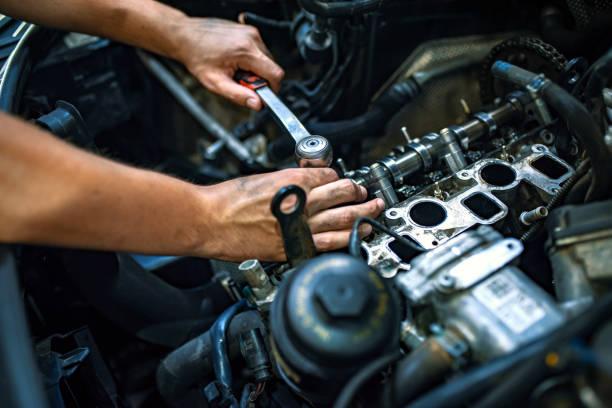
Your car's power system depends on your engine head. Within the engine, it manages airflow, fuel combustion, and temperature equilibrium. Performance drops quickly as it starts to malfunction; if left unattended, it can cause severe harm. Many drivers only come to understand how vital the cylinder head is following an expensive breakdown; early diagnosis, though, can save both time and money. Replacing a damaged unit with a reconditioned cylinder head sometimes recovers performance without the exorbitant cost of a new component. Seven distinct red flags that your engine head might need immediate professional care are listed below:
Overheating Engine
One of the first and most evident symptoms of problems is an overheated engine. Controlling heat inside the engine depends mostly on the cylinder head. Coolant might leak or circulation could be stopped if it fractures or distorts. This keeps the device from cooling down as it should. Should your temperature gauge rise suddenly or steam emerge from under the hood, pull over immediately. Continuous overheating may lead to head gasket failure and perhaps whole engine failure.
White Smoke from the Exhaust
White smoke emanating from the exhaust generally suggests coolant burning within the combustion chamber. This occurs when coolant leaks into the cylinders via a broken head or a leaking head gasket. Though some condensation is typical in chilly weather, persistent thick white smoke is not. The odor is sometimes pleasant and unique. Ignoring this symbol can cause serious internal corrosion and contamination of engine oil.
Loss of Engine Power
The engine head may be to fault if your automobile feels slow or has trouble accelerating. A weakening head directly influences power output by compromising compression. You might see the car shudder, stop, or vibrate more than it normally would. Poor sealing in the combustion chamber might also cause the engine to misfire. Reduced power means that the engine is not functioning as well; it is not only bothersome.
Milky Oil or Coolant Contamination
Looking at your oil dipstick can tell you a lot. Often indicating coolant leaking into the oil system is milk-like, foamy, or discolored oil. Similarly, oily film floating in the coolant reservoir points to oil contamination. Both are serious alarms for a busted head gasket or fractured cylinder head. Driving in this condition will drastically shorten your engine's life, destroy bearings, and harm pistons.
Strange engine noises
Your engine should hum continuously and gently. It's time to find out if you start hearing tapping, hissing, or knocking noises. A distorted head can open and close valves incorrectly, resulting in harsh metallic sounds. Escaping gases from a head or gasket area leak can cause a hiss. Usually, these sounds get louder as the damage advances. Early testing helps to avoid total mechanical failure.
Unusual Noises from the Engine
Leaking around the cylinder head region is never a favorable omen. Often indication of a damaged seal or a crack is a visible oil or coolant puddle under your car. Extreme heat and pressure erode the surface of the head over time, resulting in small fractures. Lubrication and cooling are inadequate as fluids exit, which causes more wear. A professional inspection is warranted if you continuously refill fluids without uncovering any obvious cause.
Bad fuel economy and rough idling
A collapsing engine head causes the combustion process to be hampered, thereby increasing the labor needed by the engine. This causes uneven idling and low fuel efficiency. You might see the engine shaking when stopped or the RPM changing. In extreme situations, the car could even abruptly shut down. These symptoms point to an unbalance of the air-fuel ratio, usually caused by leaks or valve problems in the head assembly.
Conclusion
Keeping your engine head in top condition is essential for effective and consistent running. If not handled, little problems might quickly get worse. Overheating, smoke, leaks, odd noises, or loss of power all suggest a major issue needing expert help. Proper maintenance and prompt repairs can stop costly replacements later on. Should you see any of these indications, have your car inspected right away by a trained mechanic; it's the most effective means of preserving your engine and maintaining the safe operation of your vehicle