- 16 Nov 2025
- 2 posts
If you’ve ever dreamed about stepping into a world where luxury meets opportunity, Real Estate in Dubai is probably one of the first things that comes to mind. The moment you land in the city, you feel the energy—glass towers stretching into the sky, futuristic roads, world-class communities, and an investment environment designed to reward ambition. Whether you’re a first-time buyer or a seasoned investor, Dubai has this magnetic pull, the kind where you explore a community on HJ Real Estates and suddenly imagine your life unfolding there. Even areas like Arjan Dubai, which were once relatively quiet, are now booming with modern projects, strong rental demand, and promising long-term appreciation, making the city feel like it never stops reinventing itself. What’s truly exciting is that Dubai doesn’t just offer homes—it offers experiences, lifestyles, and opportunities that keep evolving while staying grounded in a future-focused vision.
When people ask why investors from nearly every continent gravitate toward Dubai, the answer feels simple: stability, transparency, and potential. Imagine walking through a master-planned community where every corner is intentionally designed—the parks, the retail strips, the schools, even the walking tracks. It’s this level of detail that makes Real Estate in Dubai stand out on a global scale. And when you compare what you get in Dubai to what you would pay in other major cities like London or New York, the difference is startling. You often find more space, better amenities, newer construction, and a higher rental yield. Add in friendly laws for expats, tax-free property income, and a growing economy, and it becomes clear why investors see Dubai not just as a purchase, but as a strategic move toward long-term security and gains.
Understanding Real Estate in Dubai for Modern Investors
The growth of Real Estate in Dubai didn’t happen overnight. It’s the result of decades of planning, bold leadership, and an ecosystem built around comfort, safety, and global accessibility. The city has positioned itself as a financial and lifestyle hub, attracting professionals, families, retirees, and investors who want to be part of something bigger. No matter which direction you travel—from the quiet suburban feel of Damac Hills to the urban intensity of Downtown Dubai—you find communities created with purpose. It’s this kind of urban diversity that makes the city’s real estate market feel alive, constantly refreshing itself and offering niches for every kind of buyer.
Another massive advantage for investors is how safe and regulated the environment is. Dubai’s real estate sector is governed by RERA, ensuring transparency, strict project monitoring, and clear rights for both tenants and property owners. This is reassuring, especially for investors abroad who might be hesitant about buying property in a foreign country. The standardized contracts, escrow protections, and digital services make the process smooth, even if you’re thousands of miles away. Combine this with the city’s rising population, continuous infrastructure upgrades, and strong tourism sector, and you can confidently say that the foundation of Real Estate in Dubai is as solid as its skyline is tall.
Why Dubai’s Property Market Offers Bold, Winning Deals
Dubai offers something rare: a market where both lifestyle buyers and investors win. If you’re buying for personal use, you enjoy upscale living, globally recognized communities, and modern amenities. If you’re buying purely for investment, the return story is even better. Many neighborhoods consistently deliver 6% to 10% rental yields, often outperforming popular markets in Europe or the United States. This balance makes Dubai one of the most attractive property markets in the world.
Another fascinating aspect is the sheer creativity behind new developments. Developers don’t just build towers—they create eco-friendly cities, smart homes, water-inspired communities, and massive mixed-use districts with schools, malls, health facilities, and entertainment centers all integrated seamlessly. When you explore trending areas like Arjan, JVC, Dubai Hills Estate, and MBR City, you see the same pattern: thoughtful planning, excellent connectivity, and an emphasis on community living. This creates long-term value, which is exactly what smart investors look for when entering any market.
Types of Properties Available When Exploring Real Estate in Dubai
One reason Dubai attracts such a wide range of buyers is its variety of property options. Whether you prefer high-rise glamour or suburban calm, you’ll find something that matches your vision perfectly. Apartments remain the most popular option, especially in communities known for strong rental returns. Villas, on the other hand, offer space, privacy, and a sense of belonging—ideal for families looking for long-term living. Townhouses strike a sweet balance between affordability and comfort, giving residents a sense of independence without the higher maintenance costs of larger villas.
Then there’s the ultra-luxury category. These homes redefine extravagance—think private pools, rooftop lounges, golf course views, beachfront access, and interiors crafted by globally renowned designers. Such properties attract high-net-worth individuals seeking exclusivity and long-term prestige. For them, Dubai has become not just a place to invest, but a statement of lifestyle and identity. Across all categories, what stands out most is consistency in quality. Developers in Dubai understand that buyers expect more—more features, more innovation, more luxury—and they deliver exactly that.
The Role of Location in Real Estate in Dubai
Real estate has always revolved around location, and Dubai expresses this rule exceptionally well. Living near Sheikh Zayed Road gives you unmatched accessibility, living in Downtown lets you enjoy world-class dining and nightlife, while living near Dubai Hills offers peaceful, green surroundings perfect for families. In neighborhoods like Arjan Dubai, you find a younger, fast-growing community that blends affordability with strong future potential. Many investors buying in Arjan today see it as a strategic entry point into the Dubai market because the area continues to develop rapidly.
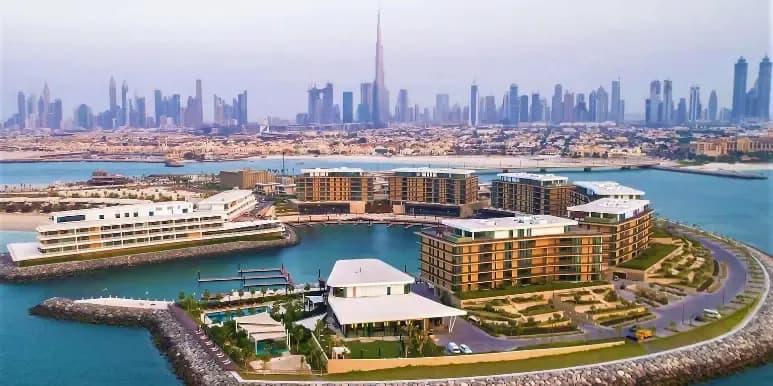
Meanwhile, waterfront destinations like Dubai Marina, Palm Jumeirah, and Dubai Creek Harbour offer a completely different energy—one that revolves around leisure, breathtaking views, and premium real estate. These areas attract tenants who value the lifestyle more than anything else. This consistent demand keeps rental incomes stable, even during slower market cycles. Dubai’s infrastructure planning ensures that almost every community has good roads, schools, retail, and health facilities nearby. This is one of the biggest reasons properties hold their value so well.
H2: Real Estate in Dubai and the Future of Property Growth
Dubai’s future in real estate shines brighter than ever. With mega-projects constantly in development, the city keeps expanding in ways that make life easier, smarter, and more connected. The government continues to invest heavily in public transport, road networks, green spaces, and digital services. This consistent improvement boosts confidence among international investors who want to see long-term progress before making large investments.
One example is the rise of sustainable communities. Developers now prioritize eco-friendly building materials, energy-efficient systems, recycling solutions, and landscaped areas. These green-focused communities not only benefit residents but also appeal to global buyers who care about environmental responsibility. Technology is also transforming the market—smart homes, biometric access, app-controlled facilities, and AI-driven designs are becoming standard features in many new projects. All of this adds up to a future where residents enjoy a seamless, connected lifestyle while investors benefit from rising demand.
Steps to Buying Property in Dubai as an Investor or End User
Buying property in Dubai is surprisingly straightforward. The process typically involves choosing the property, signing the sales agreement, making the initial payment, and completing the transfer with DLD. For off-plan properties, payment plans are structured over the construction period, making it easier for investors to enter the market without paying everything upfront. Additionally, post-handover payment plans give buyers even more flexibility.
What really stands out here is the transparency. Every transaction is monitored, documented, and recorded securely. This is why investors feel safe parking their money in Real Estate in Dubai. Whether you’re buying an apartment, a townhouse, or a massive villa, the rules are the same—simple, clear, and fully regulated. Many expats feel at ease knowing they can own property in freehold areas with full rights. This inclusivity attracts long-term residents who want stability and ownership in a city they love.
The Lifestyle Appeal That Makes Dubai Property So Desirable
Beyond returns and appreciation, Dubai offers something that numbers can’t fully capture—an unmatched lifestyle. The weather, the beaches, the food, the cultural diversity, the entertainment options, the safety—it all blends into a city that feels dynamic yet comfortable. From luxury shopping malls to local cafés, desert adventures to beachside weekends, everything is within easy reach. Families appreciate the quality of education and healthcare, while professionals love the high-paying job opportunities and global networking environment.
Residents also enjoy some of the world’s finest amenities: gyms overlooking the sea, infinity pools on skyscrapers, rooftop restaurants, championship golf courses, and record-breaking attractions. This lifestyle allure adds enormous value to every property in the city. When people buy in Dubai, they’re not just buying walls and floors—they’re buying into a lifestyle that’s hard to match anywhere else in the world.
Frequently Asked Questions About Real Estate in Dubai
FAQ
Q1. Can foreigners buy real estate in Dubai?
Yes, foreigners can buy freehold properties in designated areas with full ownership rights.
Q2. Is real estate in Dubai a good long-term investment?
Absolutely. Strong capital appreciation, high rental yields, and continuous development make it an excellent long-term choice.
Q3. What are the most popular areas for investment?
Top choices include Downtown Dubai, Dubai Marina, Palm Jumeirah, JVC, Dubai Hills Estate, and emerging areas like Arjan.
Q4. Are rental yields really high in Dubai?
Yes, many areas consistently deliver 6%–10% yields, far above major global cities.
Q5. What is the process of buying property in Dubai?
Select the property, sign the agreement, pay the initial amount, and complete the transfer with the Dubai Land Department.
Q6. Do I need to live in Dubai to buy property?
No, you can complete the entire process remotely through regulated systems.
Q7. What is the minimum investment amount?
Apartments in emerging communities start at competitive prices, making it accessible for many investors.
Q8. Are there property taxes?
Dubai offers tax-free rental income and zero property tax, which boosts net returns significantly.
Q9. Do properties come furnished?
Some do, especially holiday homes and luxury units. Many developers also offer furniture packages.
Q10. Is off-plan better than ready property?
Off-plan offers lower prices and flexible payment plans, while ready properties provide immediate rental income.
Q11. Which areas offer affordable properties?
Communities like Arjan, JVC, and Dubai South offer excellent affordability with strong future potential.
Q12. Can I get a residency visa through property investment?
Yes, properties above certain values may qualify you for investor residency visas.
Q13. How safe is Dubai for property owners?
Dubai is one of the safest cities globally, offering secure living and reliable systems for property management.
Q14. Do properties appreciate in value?
Historically, yes. Dubai’s continuous growth leads to strong appreciation, especially in well-planned communities.
Q15. Can I rent out my property yearly or short-term?
Both options are available. Short-term rentals can produce higher income, especially in tourist-heavy areas.