- 04 Jul 2026
- 3 posts
When choosing furniture for your home, many people wonder whether indoor and outdoor options can be used interchangeably. While they may look similar at first glance, outdoor furniture and indoor furniture are designed for very different environments and purposes.
Understanding these differences is important because it helps homeowners choose furniture that lasts longer, performs better, and maintains its appearance over time. Whether you are furnishing a living room, balcony, patio, garden, or terrace, selecting the right type of furniture can make a significant difference in comfort, durability, and maintenance.
Designed for Different Environments
The biggest difference between outdoor furniture and indoor furniture is the environment in which they are used. Indoor furniture is designed for protected spaces where it is not exposed to harsh weather conditions. It is made to function in relatively stable temperatures and humidity levels.
Outdoor furniture, on the other hand, is specifically built to withstand environmental elements such as:
- Sunlight and UV rays
- Rain and moisture
- Humidity
- Dust and dirt
- Temperature fluctuations
- Wind exposure
Because of these conditions, outdoor furniture requires stronger materials and protective finishes that indoor furniture typically does not need.
Material Differences
One of the most noticeable differences is the type of materials used.
Indoor Furniture Materials
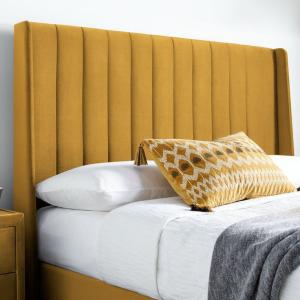
Indoor furniture often uses materials that prioritize appearance and comfort, such as:
- Fabric upholstery
- Solid wood
- Engineered wood
- Leather
- Velvet and soft textiles
- Foam cushioning
These materials create a cozy and luxurious feel but may not perform well when exposed to moisture or direct sunlight.
Outdoor Furniture Materials
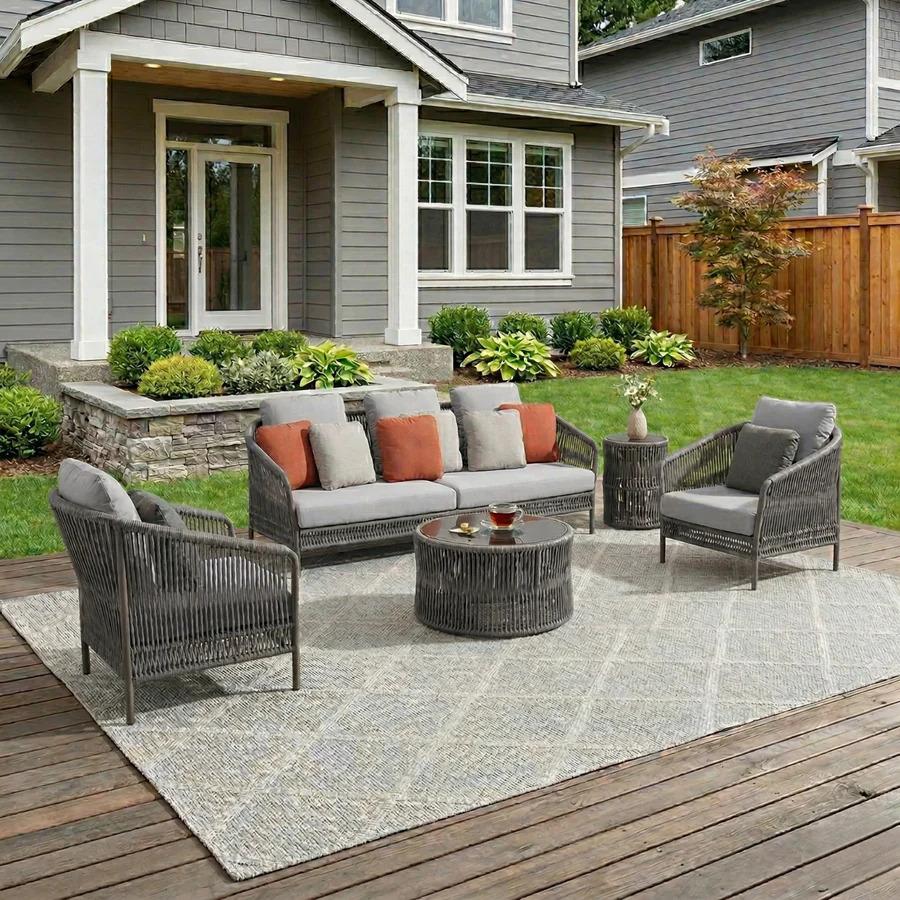
Outdoor furniture is made from materials that can resist weather-related damage, including:
- Powder-coated aluminum
- Synthetic rattan
- Teak wood
- Weather-resistant steel
- UV-resistant fabrics
- Quick-dry foam cushions
These materials are selected for their durability, moisture resistance, and ability to maintain their appearance outdoors.
Durability and Weather Resistance
Outdoor furniture is generally much more durable than indoor furniture because it must handle constant exposure to the elements. For example, a powder-coated metal outdoor chair is designed to resist rust and corrosion. Similarly, synthetic rattan can withstand rain and sunlight without cracking or fading easily. Indoor furniture does not usually have these protective features. If a standard indoor sofa or wooden chair is placed outdoors, it may absorb moisture, develop mold, fade in the sun, or deteriorate quickly.
This is why outdoor furniture is considered a better long-term investment for gardens, patios, balconies, and terraces.
Comfort and Cushioning
Both types of furniture are designed for comfort, but they achieve it differently.
Indoor Furniture Comfort
Indoor furniture often uses:
- Thicker foam cushioning
- Soft upholstery fabrics
- Plush seating surfaces
- Deep sofas and lounge chairs
The goal is to maximize comfort in a controlled indoor environment.
Outdoor Furniture Comfort
Outdoor furniture balances comfort with weather resistance. Cushions are often made from:
- Water-resistant fabrics
- Quick-dry foam
- UV-protected materials
- Removable and washable covers
While outdoor cushions may feel slightly firmer than indoor ones, they are designed to handle rain, humidity, and sunlight more effectively.
Maintenance Requirements
Maintenance is another major difference.
Indoor Furniture Maintenance
Indoor furniture typically requires:
- Dusting
- Vacuuming upholstery
- Occasional fabric cleaning
- Polishing wooden surfaces
Because it is protected from weather, maintenance is generally focused on cleanliness and appearance.
Outdoor Furniture Maintenance
Outdoor furniture requires additional care, such as:
- Wiping away moisture
- Cleaning dirt and debris
- Using protective covers during heavy rain
- Storing cushions when not in use
- Checking for rust or wear periodically
Many modern outdoor furniture pieces are designed to be low-maintenance, but they still need more attention than indoor furniture due to their exposure to the elements.
Design and Aesthetic Differences
Indoor furniture often focuses on creating a cozy, elegant, or luxurious atmosphere. Designers have more freedom to use delicate fabrics, intricate details, and softer materials because the furniture remains protected indoors. Outdoor furniture emphasizes durability while still offering attractive designs. Modern outdoor collections now feature stylish shapes, woven textures, and contemporary finishes that rival indoor furniture in appearance.
Today, many homeowners choose outdoor furniture that creates a resort-style look while remaining practical for everyday outdoor use.
Weight and Portability
Indoor furniture is often heavier because it is not moved frequently. Large sofas, dining tables, and cabinets are usually designed to stay in one place for years. Outdoor furniture is often designed with portability in mind. Lightweight materials such as aluminum make it easier to rearrange seating, move furniture during storms, or store pieces when needed.
This flexibility is especially useful for balconies, patios, and seasonal outdoor spaces.
Can Indoor Furniture Be Used Outdoors?
In most cases, indoor furniture should not be used outdoors for extended periods.
Common problems include:
- Fabric fading from sunlight
- Wood swelling from moisture
- Mold and mildew growth
- Metal rusting
- Cushions absorbing water
- Structural weakening over time
If you want furniture for a balcony, patio, garden, or terrace, it is always better to choose furniture specifically designed for outdoor use.
Can Outdoor Furniture Be Used Indoors?
Yes, outdoor furniture can often be used indoors, especially modern pieces made from rattan, metal, or teak. Many homeowners use outdoor lounge chairs, hanging chairs, and dining sets inside sunrooms, living rooms, or covered spaces because of their stylish appearance and durability.
However, outdoor furniture may feel slightly firmer and have a more casual aesthetic compared to traditional indoor furniture.
Which One Should You Choose?
The right choice depends on where the furniture will be used.
|
Choose Indoor Furniture If: |
Choose Outdoor Furniture If: |
|
The furniture will stay inside the home. |
The furniture will be placed outdoors. |
|
You prioritize plush comfort and soft fabrics. |
You need weather resistance and durability. |
|
The space is climate-controlled. |
The space is exposed to sun, rain, or humidity. |
|
You want a formal or luxurious interior look. |
You want a practical and long-lasting outdoor setup. |
|
The furniture will not be moved often. |
You may need portability and flexible arrangements. |
Conclusion
The main difference between outdoor furniture and indoor furniture lies in their purpose, materials, durability, and ability to handle environmental conditions. Indoor furniture is designed for comfort and aesthetics in protected spaces, while outdoor furniture is built to withstand sunlight, rain, humidity, and daily outdoor use.
By choosing furniture that matches its intended environment, homeowners can enjoy better comfort, longer-lasting performance, and a more attractive living space. Whether you're furnishing a cozy living room or creating a stylish patio retreat, selecting the right type of furniture ensures that your investment remains functional and beautiful for years to come.