
- 07 Aug 2026
- 1 posts
Starting a business is an exciting journey, but turning an idea into reality often requires financial support. For first-time entrepreneurs, understanding startup loans for small business can help them make informed decisions about funding, expenses, and business growth. Whether you want to open a salon, beauty studio, wellness center, retail store, or service-based venture, choosing the right funding approach can provide the capital needed to get started.
What Are Startup Loans for Small Businesses?
Startup loans are financial facilities designed to help entrepreneurs establish or expand a new business. The money may be used for expenses such as equipment, inventory, rent, technology, marketing, staff, business infrastructure, or initial working capital.
Unlike personal borrowing, business-focused financing is generally planned around the needs and potential of the venture. However, eligibility, interest rates, repayment terms, collateral requirements, and approval criteria can vary depending on the lender and financing program.
Who Can Apply for a Startup Loan?
Startup loans may be suitable for entrepreneurs who have a well-defined business concept and a realistic plan for launching it. First-time founders should be prepared to demonstrate how their business will generate revenue and repay the borrowed amount.
Before applying, consider:
- Your business idea and industry
- Target customers
- Estimated startup costs
- Expected revenue
- Business experience and skills
- Credit history and financial position
- Repayment capacity
Having these details prepared can make the application process more organized.
What Documents May Be Required?
Documentation depends on the lender and type of financing. However, entrepreneurs may commonly need identification documents, address proof, bank statements, business registration details, financial projections, and a business plan.
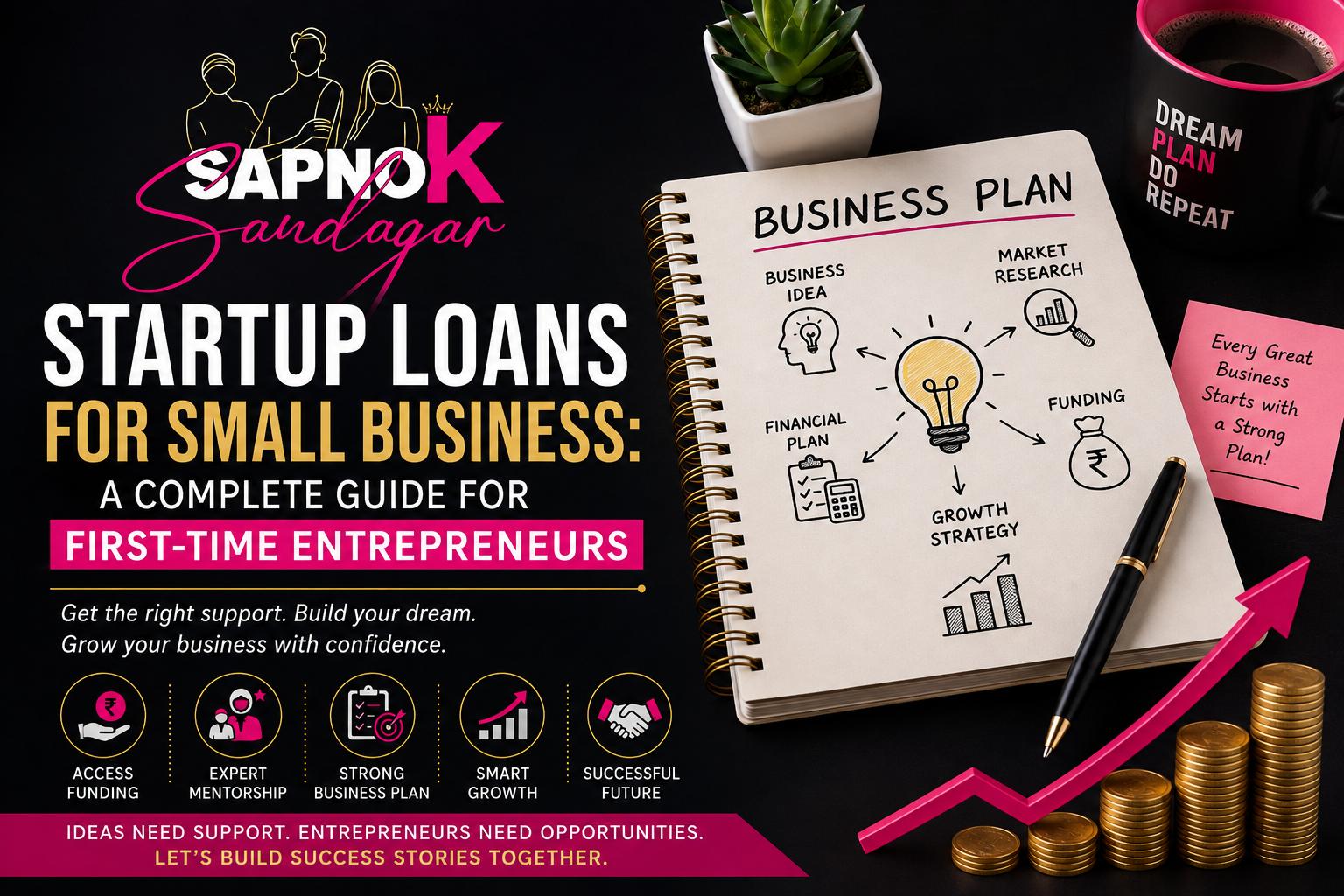
A strong business plan can be particularly useful because it explains your idea, target market, competitive advantage, revenue model, expenses, and growth strategy.
How Much Funding Should You Borrow?
One of the biggest mistakes new entrepreneurs can make is borrowing without calculating their actual requirements. Instead of choosing an arbitrary amount, prepare a detailed startup budget.
Separate your expenses into categories such as:
- Equipment and setup
- Rent and utilities
- Inventory and supplies
- Marketing
- Technology
- Employee costs
- Working capital
Borrow only what your business realistically needs and consider whether projected cash flow will comfortably support future repayments.
Loans Aren't the Only Funding Option
Although loans can provide valuable capital, they are not the only way to finance a business. Entrepreneurs can also explore grants, investors, mentorship-led funding, partnerships, bootstrapping, or structured business-support programs.
For first-time founders, platforms that combine funding guidance, mentorship, business planning, and practical support can be especially useful. Such support can help entrepreneurs strengthen their ideas before approaching lenders or other funding sources.
This is particularly valuable for aspiring beauty and wellness entrepreneurs who may need guidance beyond simply securing capital.
Prepare Before You Apply
Before submitting a loan application, make sure your business idea is clearly defined and supported by market research. Understand your customers, study competitors, calculate your costs, establish pricing, and create realistic revenue projections.
Most importantly, be clear about why you need the funding and how it will contribute to business growth.
Final Thoughts
Startup financing can help turn a promising business idea into a functioning venture, but successful borrowing begins with proper preparation. First-time entrepreneurs should evaluate their funding requirements, understand repayment responsibilities, and build a practical business plan before applying.
For entrepreneurs looking beyond finance alone, exploring dedicated platforms that provide funding opportunities, mentorship, strategic guidance, and business development support can be a valuable next step toward building a sustainable business.
Click here for funding:- https://sapnoksaudagar.com/