- 17 Jun 2026
- 5 posts
Food presentation matters more than most people think when cooking at home. Proper presentation keeps your dishes looking fresh and prevents sticking problems. Many home cooks struggle with food that sticks to pans or plates. Learning presentation basics helps you serve better looking foods every single time. Good presentation stops food sticking through smart material choices and correct handling methods. Understanding these simple rules transforms how you prepare and serve your food.
What Makes Food Stick To Surfaces During Cooking
Food sticks when proteins and sugars bond with hot metal or glass surfaces. Heat causes chemical reactions that create strong bonds between food and cookware. Moisture evaporates quickly from food when temperatures get too high during cooking. Dry surfaces increase friction which makes sticking worse over time while cooking. Starting with cold pans causes more sticking than preheating them properly first. Oil or fat creates a layer that reduces direct contact with surfaces. Adding fat at the right times prevents chemical bonding that leads to sticking.
How Does Paper Create Barriers Between Food And Boxes
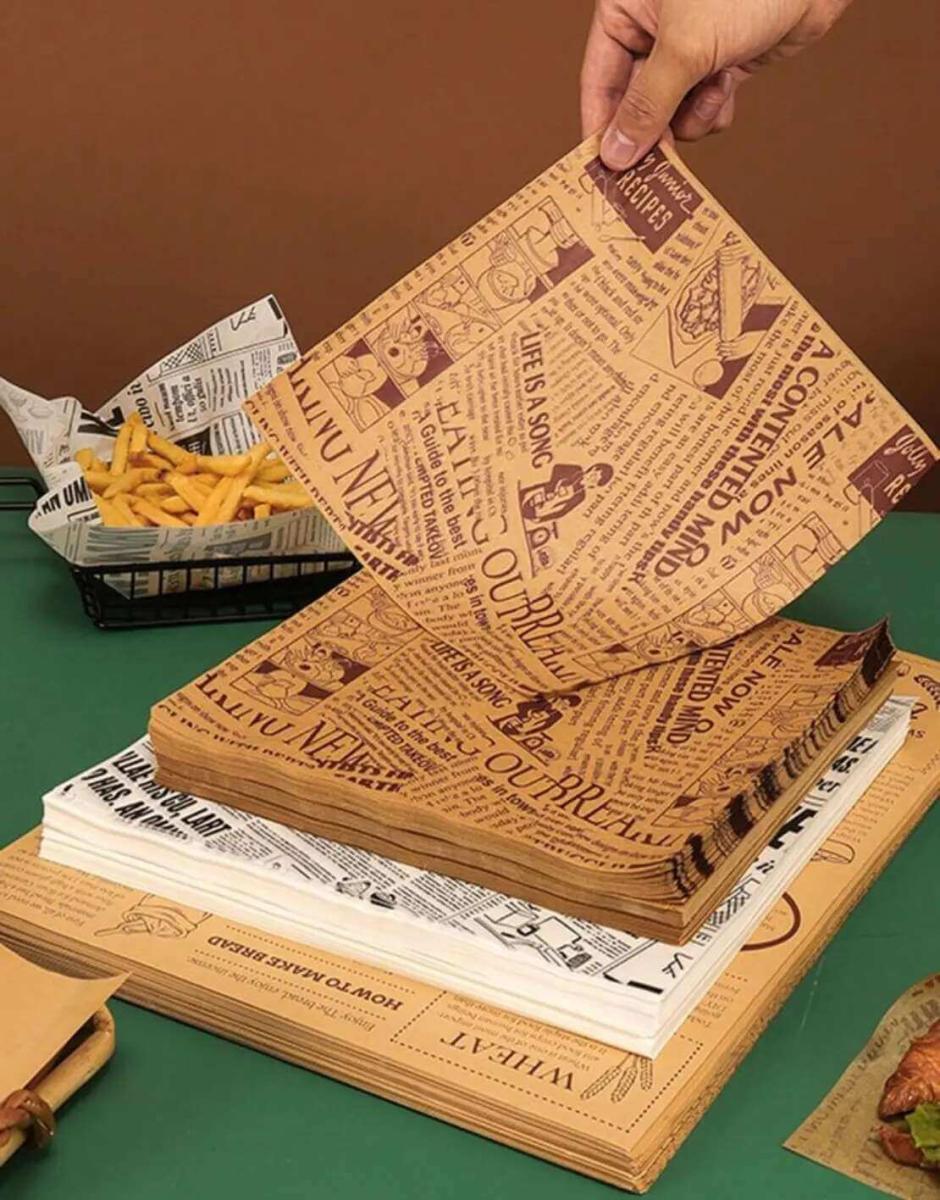
Paper products work as physical barriers that block direct contact with surfaces. Modern kitchen papers have special coatings that resist moisture and prevent adhesion. These papers keep oils and liquids from soaking through to other layers. Using greaseproof paper rolls helps protect food during storage and keeps things fresh. Paper barriers separate items and prevent them from touching each other directly. This separation keeps the presentation clean and makes serving much easier for everyone. Smart use of paper products solves many common kitchen challenges today.
Why Do Professional Kitchens Focus On Presentation Methods
Professional cooks know that presentation affects how food is released from serving dishes. They arrange items with space between pieces to prevent crowding and sticking. Proper spacing allows air to circulate around each piece of food properly. Temperature control becomes easier when items are arranged correctly on serving platters. Good presentation stops food sticking by reducing contact points and managing moisture levels. Chefs learn these skills through years of practice in busy kitchens daily. Simple adjustments in plating techniques make significant differences in final results every time.
Can Temperature Control Prevent Food From Sticking To Plates
Matching food temperature to serving dish temperature reduces sticking issues significantly today. Hot foods should go on warmed plates to prevent sudden temperature changes. Cold items need chilled plates to maintain their texture and prevent condensation. Temperature differences create moisture that acts like glue between food and surfaces. Keeping temperatures consistent helps food slide easily when guests start eating later. Sudden cooling causes liquids to form which increases adhesion to plate surfaces. Planning ahead with temperature management prevents most of these common problems entirely.
What Role Does Moisture Play In Food Adhesion Problems
Excess moisture creates sticky situations when serving or storing prepared dishes daily. Water and oils act differently but both can cause adhesion to surfaces. Drying surfaces before plating reduces chances of food sticking to plates significantly. Moisture trapped between food layers creates suction that increases sticking over time. Managing liquid content during preparation prevents most presentation problems before they start. Blotting items dry before arranging them keeps everything looking neat and clean. Controlling moisture levels is one key reason why good presentation stops food sticking.
How Do Different Materials Affect Food Sticking During Service
Glass and ceramic surfaces interact differently with food compared to metal options. Smooth surfaces generally cause less sticking than rough or porous materials do. Coatings work by creating slippery surfaces that food cannot grip easily today. Natural materials like wood absorb some moisture which can help or hurt. Understanding material properties helps you choose better serving options for different foods. Plastic and silicone offer advantages for certain types of preparations and storage. Each material has strengths and weaknesses depending on what you plan to serve.
Why Does Proper Spacing Matter When Arranging Food On Plates
Crowding food creates pressure points where pieces push against each other constantly. When items touch they share moisture and oils that increase sticking between them. Leaving space between portions allows for easier serving and better visual appeal. Individual pieces stay separate when they have room to breathe on plates. WaxPapersHub offers quality solutions for restaurants looking to improve their presentation standards. Spacing also makes plates look more attractive and professional to dinner guests. Arranging food thoughtfully prevents pieces from sliding together as they sit waiting. This simple technique improves both function and appearance of every single dish.
What Techniques Help Release Stuck Food Without Damaging Presentation
Gentle application of warmth can loosen stuck food by softening bonds carefully. Sliding thin tools under stuck items works better than pulling straight up. Adding small amounts of liquid around edges helps release suction and adhesion. Patience prevents damage that rushing causes when trying to remove stuck foods. Prevention through proper presentation beats trying to fix problems after they happen. Using correct serving utensils designed for specific foods makes removal smoother always. These rescue methods should be last resorts rather than regular solutions needed. Restaurants in CA have developed reliable systems for handling delicate presentation challenges daily.
Does Food Type Determine Best Presentation Methods For Preventing Sticking
Different foods need different approaches based on their composition and moisture content. Proteins stick more easily than vegetables because of their chemical makeup today. Starchy foods become sticky when they cool down and release binding compounds. Fatty foods resist sticking naturally but can leave residue on serving surfaces. Understanding your ingredients helps you choose presentation methods that work best always. Delicate items require gentler handling and more careful arrangement on serving dishes. Learning food properties makes you better at preventing sticking before it happens.
Conclusion
Good presentation stops food sticking through knowledge and careful planning every time. Simple changes in how you handle and arrange food make big differences. These methods work at home just as well as professional kitchens everywhere. Better presentation means easier serving and happier people eating your cooking daily. Start practicing these techniques today to improve every dish you make forever