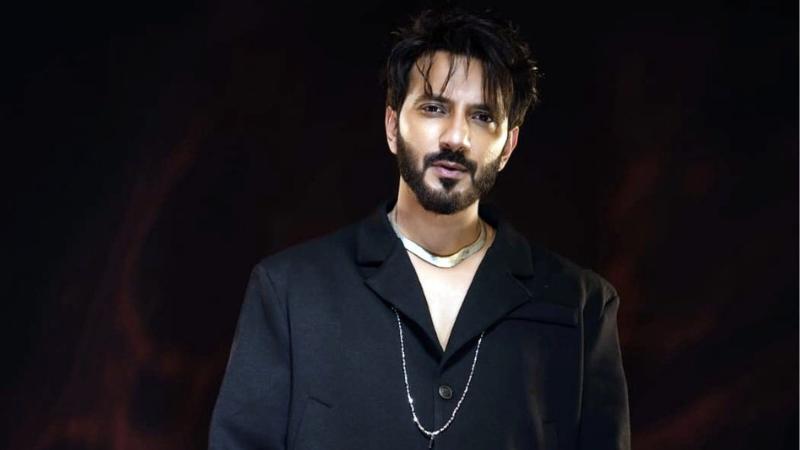
Popular actor Ali Merchant, known for his work in shows like Libaas and Lock Upp Season 1, has opened up about one of the darkest chapters in his career the year 2010, which he describes as a turning point that broke him with wrong judgments and controversies. “2010 broke me with wrong judgments and controversies. Lost shows, lost big roles, lost purpose, lost myself,” Ali confessed. “I’d stare at the TV screen after doing over 1,000 episodes and multiple lead roles… and just cry. Therapy saved me. So did admitting, ‘I’m not okay.’”
His heartfelt revelations bring to light the often hidden emotional toll faced by those in the entertainment industry. Ali went on to describe healing as a raw and non-linear process. “Healing isn’t pretty. It’s ugly cries, relapses, and choosing yourself when the world wants more. But I later realized it’s worth it because something much bigger is planned for you. Breakdowns aren’t failures they're your soul saying, ‘Fix me before you fly again,’” he added.
The actor, who faced public scrutiny and online trolling during his earlier years, now sees such negativity with new eyes. “Trolls used to get me. Now? I screenshot their dumbest comments and send them to my group chat for laughs,” he shared. “You’re not obligated to absorb hate from strangers who’d crumble in your shoes. Block, delete, dance it off. Trolls are like mosquitoes annoying, irrelevant, and always projecting.”
Ali’s resilience stems not only from personal growth but also from a deeper awareness of mental health and emotional well-being, which he now actively speaks about. “We’re performers, not robots. But this industry treats ‘I’m struggling’ like a career death sentence,” he said. “The truth is, vulnerability is strength. I talk about therapy on stage. I cry in interviews. Why? Because someone watching needs to know it’s okay to not be okay.”
In a field that often glamorizes hustle while silencing personal struggles, Ali is determined to challenge the stigma around mental health. He believes that real success includes protecting peace, even in the face of fame. “Fame is loud, but your peace is louder. I schedule my sanity like I schedule gigs therapy on Mondays, no-phone Sundays, unapologetic breaks,” he explained. “Success means nothing if you’re not alive to enjoy it. Protect your mind like it’s the last charger on 1 percent.”
Ali’s candid reflections offer a rare and honest glimpse into the emotional cost of fame and the courage it takes to confront personal struggles publicly. Through his words, he continues to inspire fans and professionals alike to value mental health as much as professional achievement.