Hollywood has long been criticized for casting Indian characters in roles that reinforce colonial-era biases and exotic stereotypes. Despite the presence of talented Indian actors like Priyanka Chopra, Ali Fazal, and Naseeruddin Shah in prominent roles, the portrayal of South Asians, particularly Indians, in Western cinema often leans towards outdated and harmful archetypes.
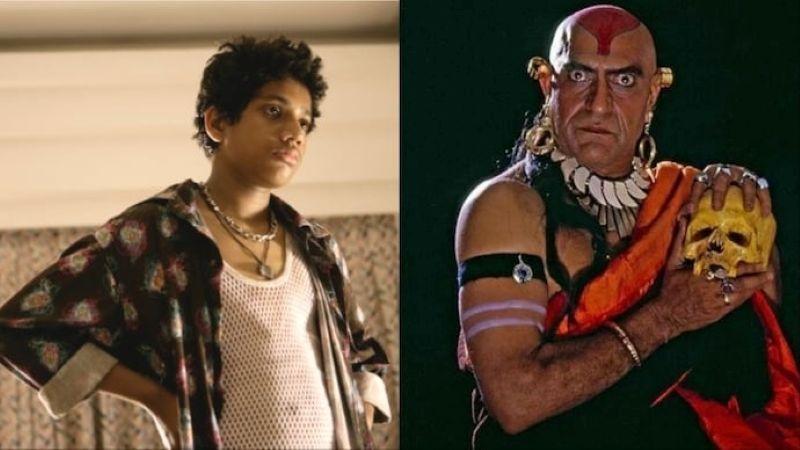
From the portrayal of exotic antagonists in Octopussy (1983) to the criminal figures in Slumdog Millionaire (2008), Indian characters are frequently depicted through a narrow lens. These depictions stem from the legacy of British Raj literature and pulp fiction, where Indians were often cast as villains, thugs, or occult figures. In films like Indiana Jones and the Temple of Doom (1984), the Thugee cult, tied to violence and dark magic, was an early example of this portrayal, which still influences modern Hollywood narratives.
Post-9/11, the stereotype of South Asians as terrorists became a recurring trope in many Hollywood productions, regardless of the character's nationality. Shows like Fubar (2023) and Extraction (2020) continue this trend, with characters often linked to criminal activity or terrorist organizations. The portrayal of poverty-driven villains, particularly in films like Slumdog Millionaire, further emphasizes the narrative that Indian characters are tied to crime due to societal issues.
Yet, these stereotypes don't define the full spectrum of Indian culture or the diverse roles Indian actors can portray. While Western filmmakers continue to recycle these harmful tropes, films like Never Have I Ever and One Day break away from these stereotypes, offering more nuanced portrayals of Indian characters.
The problem stems from the lack of representation of Indian writers, directors, and cultural consultants in Hollywood. Without these voices in decision-making roles, the industry continues to rely on outdated, shallow characterizations. As the world moves toward greater inclusivity, there is hope that future Hollywood films will break free from these harmful patterns and offer authentic portrayals of Indian and South Asian characters. Only through diverse and responsible storytelling can Hollywood move beyond cultural misappropriation and foster a more inclusive cinematic landscape.