India’s animated film industry has largely remained niche, with most animated films finding an audience on television or digital platforms rather than in theatres. While films like Hanuman (2005) and Roadside Romeo (2008) did fairly well in their time, none of the Indian animated titles made a significant commercial impact on the box office. International films like Incredibles 2 and Frozen 2 had moderate success in India, but Indian-made animated films had struggled to break the ₹50 crore barrier.
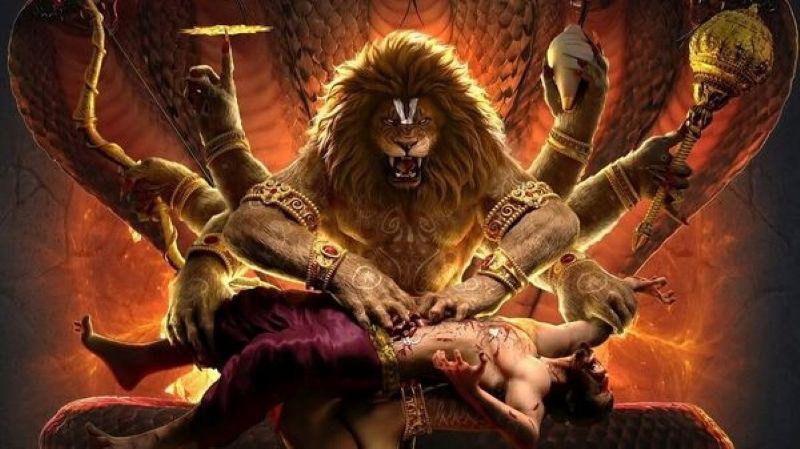
This all changed with Mahavatar Narsimha, a groundbreaking animated devotional film directed by Ashwin Kumar. Released in multiple languages across India, the film quickly found its audience, especially among family viewers. After a steady first week, the movie saw a significant boost in its second weekend, driven by strong word of mouth and positive reviews from audiences. By the end of its second weekend, Mahavatar Narsimha crossed the ₹100 crore mark at the Indian box office, making it the first Indian animated film, as well as the first animated film worldwide, to reach this milestone.
Before Mahavatar Narsimha, the highest-grossing animated films in India were titles like Spider-Man: Across the Spider-Verse, Incredibles 2, and Frozen 2, which each grossed just over ₹50 crore. Among Indian productions, Hanuman held the record with a modest ₹10 crore. Mahavatar Narsimha has now shattered those records, grossing far beyond all these films and signaling a major turning point for animated films in India.
Looking ahead, Mahavatar Narsimha is expected to continue its strong performance at the box office, potentially reaching ₹150 crore in India and surpassing ₹200 crore globally if it continues its upward trajectory. The film’s success has already sparked a response from the film industry. Hombale Films, the studio behind Mahavatar Narsimha, has announced an ambitious 12-year plan to expand the Mahavatar Cinematic Universe (MCU) with six more animated films slated for release by 2037.
The success of Mahavatar Narsimha marks a significant milestone not just for the film but for Indian animation as a whole. This success indicates a growing audience interest in animated stories rooted in Indian culture, mythology, and themes. It’s a breakthrough moment that could inspire other filmmakers to explore large-scale animated projects. With Mahavatar Narsimha leading the way, the Indian animation industry could see more ambitious, high-budget projects that appeal to a broad audience.