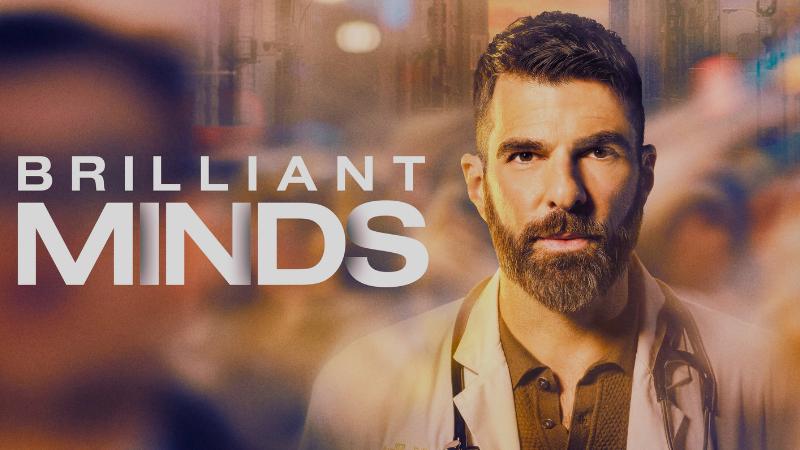
NBC has cancelled Brilliant Minds after two seasons. The show’s humane storytelling in neurology leaves a lasting impression.
A Thoughtful Approach to Medicine
In a television landscape dominated by fast-paced, high-stakes medical dramas, Brilliant Minds arrived as a quieter, reflective alternative. Zachary Quinto starred as Dr. Oliver Wolf, a neurologist navigating complex brain cases while confronting personal challenges, including his own face blindness. Unlike most network shows, Brilliant Minds focused on the intersection of science and human experience rather than dramatic rescues or sensationalized crises. The series gave time to explore patients’ inner worlds, the emotional toll on doctors, and the fragile, unpredictable nature of the human mind.
Quinto’s performance was a centerpiece of the show’s appeal. His portrayal of Wolf was precise and quietly intense, balancing expertise with vulnerability. Supporting characters, including Teddy Sears, Tamberla Perry, and various interns, were given depth, establishing a believable workplace dynamic. The show took risks with slower pacing, unresolved diagnoses, and moral ambiguity, rewarding attentive viewers with genuine emotional and intellectual engagement rather than cheap thrills.
Visual Style and Storytelling Ambition
The series distinguished itself visually and narratively. Scenes at Bronx General Hospital featured soft lighting and measured pacing, creating a lived-in, reflective atmosphere. Brain scans and surgeries were handled with curiosity and respect, never descending into melodrama. Season two pushed further into questions of memory, identity, and perception, exploring how neurological conditions can alter personal experience and creativity.
Despite occasional underdeveloped characters and ambitious but incomplete storylines, Brilliant Minds earned praise for tackling difficult ideas with honesty and care. Its cancellation after two seasons leaves an unfinished narrative, yet the show’s quiet humanism and thoughtful character study leave a lasting legacy. It reminded viewers that medicine is as much about empathy and attention as it is about knowledge, and that sometimes subtle, reflective storytelling can illuminate truths that louder shows often overlook.