- 05 Nov 2026
- 5 posts
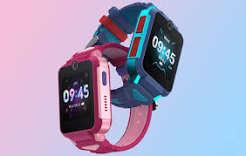
A smartwatch is a wrist-worn device that combines timekeeping with fitness tracking, health monitoring and contactless payment features. Paired with a phone or connected independently through cellular networks, it records steps, heart rate, sleep patterns, and workout data while delivering notifications to the wrist. Across the Gulf, these devices have moved from niche gadgets to companions for commuters, athletes, and buyers seeking insight from physical activity tracking and wellbeing data.
A recent study by Markntel Advisor highlights that the GCC smartwatch sector was valued at USD 1.03 billion in 2026 and is projected to grow from USD 1.12 billion in 2027 to USD 2.34 billion by 2033, registering a CAGR of 13.08% during 2027–2033. AMOLED displays represented 59% of display types in 2026, while Saudi Arabia held 48% of regional demand.
Bright AMOLED Screens Set the Standard for Gulf Wrist Devices
AMOLED displays dominate Gulf smartwatch design because they produce vivid colours, deep contrast, and thin panels that suit wrist devices. Each pixel lights independently, which helps screens stay readable outdoors while conserving battery during always-on watch faces. Manufacturers pair these panels with dashboards, notifications, and custom faces that buyers check often. Entry-level alternatives using simpler display technology remain available, but offer lower contrast and smaller screens.
TFT LCD panels account for a slice of Gulf demand, appealing to price-sensitive buyers who want notifications and activity tracking without premium cost. PMOLED screens sit between basic and premium options, offering simple architecture for displays but limited resolution for interfaces. Together, these alternatives serve entry-level buyers and gift purchases, while AMOLED retains the larger share as panel costs fall and buyers demand brighter screens for health and fitness use.
Saudi Buyers Anchor Regional Demand for Connected Wearables
Saudi Arabia leads Gulf smartwatch demand with the largest consumer base and a health ecosystem. Large cities, expanding online retail, and rising interest in connected fitness devices support adoption through the national transformation programme. Health monitoring, smartphone connectivity, and fitness tracking rank among the purchase reasons, while retail chains and telecom operators widen access through instalment plans and bundled offers for buyers.
The UAE stands as another important demand centre, supported by premium retail, high smartphone penetration, and a large visitor economy that brings wearable buyers from many countries. Qatar contributes premium demand through established retail and strong digital adoption among affluent consumers. Smaller Gulf states add steady volumes as affordability improves, distribution widens, and connected health features reach more first-time buyers through online stores and telecom channels.
Cellular Links and Health Sensors Expand Everyday Watch Uses
Cellular connectivity lets Gulf smartwatch owners receive calls, messages, and payments without carrying a phone, a convenience that suits runners, travellers, and busy professionals. Expanding fifth-generation networks across the region support independent connectivity, faster notifications, and reliable health-data syncing throughout the day. Telecom operators now sell watches with data plans alongside phones, turning the wrist device into a standalone communication tool rather than a simple phone accessory for many buyers.
Health sensors sit at the centre of Gulf smartwatch appeal, tracking heart rate, sleep quality, blood oxygen, and activity levels. Models add features such as hypertension notifications, stress tracking, and insights powered by analysis of sensor data. These tools help users notice patterns and share summaries with clinicians, although watches remain wellness companions rather than medical instruments. Privacy controls and consent settings matter as data flows between devices and apps.
Privacy Rules and Heat Shape the Next Phase of Gulf Adoption
Regulation shapes how far Gulf smartwatches can move into health services, since devices with diagnostic claims may face medical-device requirements while ordinary activity trackers do not. Data-protection rules add consent and security duties for makers and app providers handling personal health information. Extreme summer heat also tests battery stability and continuous wear among outdoor workers, pushing makers toward heat-resilient designs and thermal monitoring features for Gulf conditions.
Cellular watches must also meet operator certification and interoperability requirements across Gulf telecom networks, adding testing steps before launch in each country. Competition remains concentrated, with a group of global brands accounting for most sales through telecom stores, electronics chains, and online platforms. Smaller brands compete through price, battery life, and sport-specific features, but brand ecosystems, warranty support, and retail reach favour established names among Gulf buyers.
Connected Wrists Point Toward a More Health-Aware Gulf Future
Gulf smartwatches look set to grow as health monitoring, cellular independence, and personalised software turn wrist devices into everyday wellness companions. AMOLED screens and Saudi-led demand provide a stable base, while privacy rules and heat resilience will test makers seeking deeper health roles. For buyers, the appeal lies in insight, fewer devices to carry, and a companion that tracks wellbeing through work, travel, and rest.