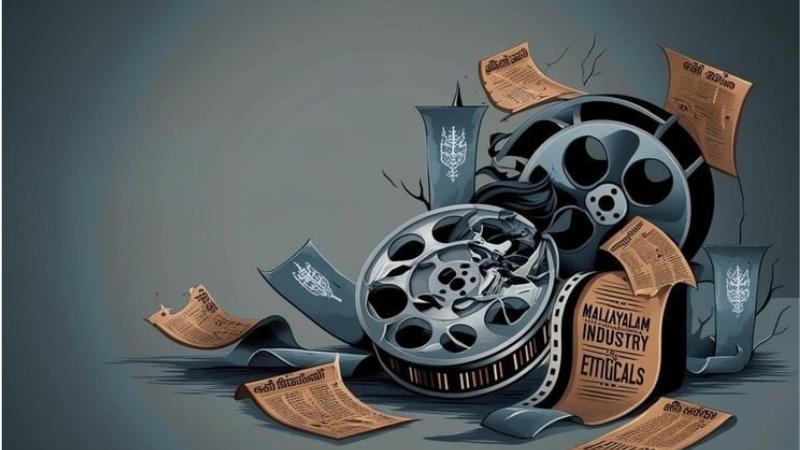
The Malayalam film industry, often praised for its storytelling brilliance, has recently been making headlines for all the wrong reasons. From abuse allegations to drug abuse and systemic power struggles, Mollywood is finding itself repeatedly at the center of national scrutiny. The latest controversy involves actor Unni Mukundan, who is facing serious allegations from his former manager. A formal complaint has been lodged in Kochi, claiming that the actor physically and verbally abused him. The manager reportedly sought medical treatment for his injuries, intensifying the seriousness of the case.
This incident is just the latest in a series of troubling events that have emerged from an industry celebrated for cinematic excellence. The Malayalam film fraternity, often heralded as a beacon of content-driven cinema, is now being criticized for an internal culture of abuse, negligence, and silence.
Earlier this year, actor Shine Tom Chacko, known for his roles in Malayalam as well as Telugu films like Dasara, Rangabali, and the upcoming Devara, made headlines for attempting to flee a hotel inspection by anti-narcotic officials. He allegedly jumped off the building in a dramatic escape during a raid by the Anti-Narcotic Special Action Force, sparking widespread speculation about the presence of drug use on film sets. In a related issue, producer Sandra Thomas had previously raised concerns about rampant drug abuse in the industry, claiming that some producers were allocating specific budgets to purchase drugs for use during shoots. Her claims received mixed reactions, but added weight to growing public concerns over the unchecked behavior of certain insiders.
The shadow of the 2017 high-profile actress assault case still looms large. In its aftermath, the Justice Hema Committee Report painted a damning picture of Mollywood, describing it as a “mafia of powerful men.” The report alleged the existence of an exploitative system, particularly targeting women in the industry. At least 17 cases were registered against well-known figures, including directors, actors, and producers such as Ranjith Balakrishnan, VK Prakash, Siddique, Mukesh, and Jayasurya. These cases, along with repeated outcries from within the industry, have sparked demands for a systemic cleanup.
While many viewers and fans still admire the storytelling brilliance of Malayalam cinema, the ongoing controversies have started to erode public trust. Social media has been flooded with calls for accountability, transparency, and safety in an industry that is often revered but rarely questioned.
Netizens argue that Mollywood needs urgent reform, both structurally and culturally. There is a growing consensus that without active intervention, the cycle of abuse, impunity, and cover-up will continue to damage the reputation and legacy of the Malayalam film industry. As calls grow louder for action, industry insiders and stakeholders must now confront a difficult truth: cinematic brilliance cannot excuse moral blindness. The time for change is not tomorrow it's now.