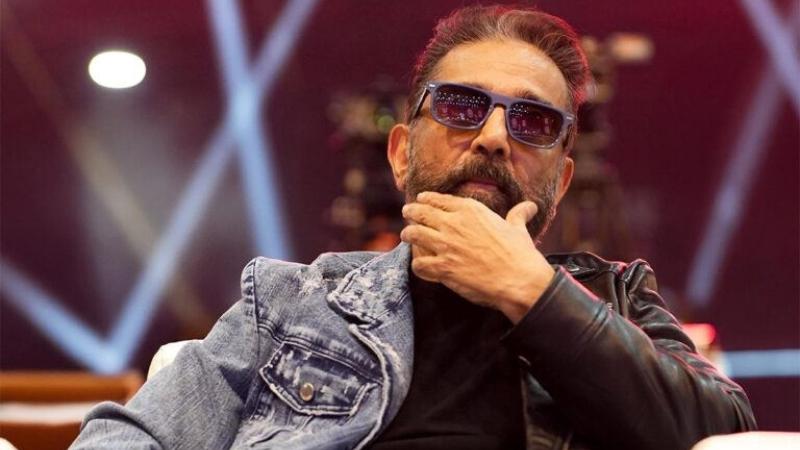
The Supreme Court of India has directed the Karnataka government to lift the ban on Thug Life, starring Kamal Haasan, following a controversy surrounding the actor’s comments on the Kannada language. The film faced backlash after Kamal stated at a promotional event that Kannada originated from Tamil an assertion that deeply offended many in Karnataka. In response, the Karnataka Film Chamber banned the film’s release in the state.
Kamal Haasan challenged this decision in the Karnataka High Court, which responded by questioning his qualifications to comment on linguistic history and demanded an apology. Kamal, however, stood by his words and refused to issue any apology, prompting the case to escalate to the Supreme Court.
A bench led by Justice Ujjal Bhuyan and Justice Manmohan criticised the Karnataka High Court’s demand for an apology and instructed the state to ensure the film’s release. The court emphasized that a film cleared by the Central Board of Film Certification (CBFC) must be allowed to screen in any state, regardless of regional sentiments. It also asserted that Kamal's remarks were not absolute truths and could have been countered through open public debate rather than censorship.
Despite this legal victory, public sentiment suggests that the verdict might be too little, too late. Thug Life has already flopped across major regions, and its delayed release in Karnataka may not change its commercial fate. Social media users argue that the ruling may carry more symbolic than practical value at this point.
Still, the Supreme Court’s stand sends a strong message about creative freedom and the limits of regional censorship. It sets a precedent that CBFC-certified films cannot be blocked by individual states without legal justification—an important win for free speech in Indian cinema. While Thug Life may not see a revival in box office numbers, the ruling reinforces the principle that creative expression, even when controversial, is protected under law.