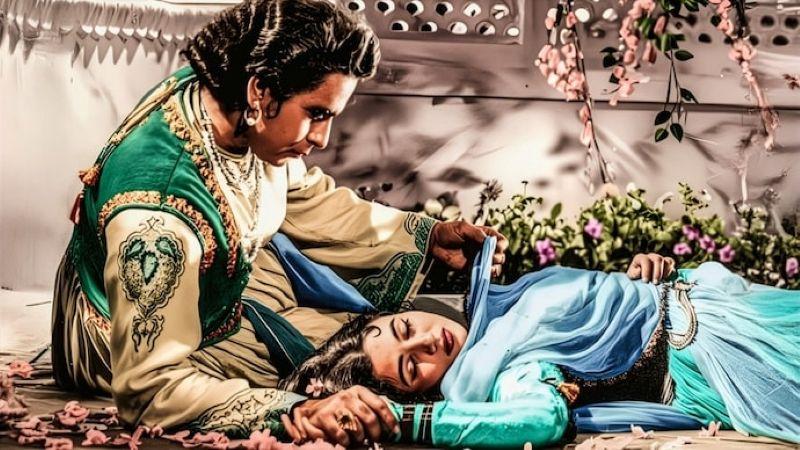
Mughal-e-Azam, K Asif’s cinematic masterpiece, continues to captivate audiences with its epic portrayal of love, duty, and sacrifice. The 1960 film blends a royal father-son confrontation with a timeless love story set against the grandeur of Mughal India. Starring Dilip Kumar as Salim and Madhubala as Anarkali, the film showcases not only intense drama and emotions but also India's cultural unity through its stunning music, set design, and performances.
The climactic confrontation between Emperor Akbar (played by Prithviraj Kapoor) and his son Salim is one of cinema’s most unforgettable moments. The raw intensity of their clash, fueled by the conflict between imperial duty and filial love, is accentuated by the powerful performances of Prithviraj Kapoor and Dilip Kumar. The dialogue exchanges, particularly those around Salim’s defiance, such as "Mujhe ye manzoor hai, lekin woh takht manzoor nahin" (I accept this, but I do not accept a throne whose foundation rests on Anarkali’s bier), resonate deeply, echoing the battle between passion and duty.
Mughal-e-Azam is not just a film—it’s a celebration of India’s composite culture. From its iconic songs like Pyar Kiya To Darna Kya to its interfaith symbolism, the movie intricately weaves together India's cultural, musical, and literary heritage. It remains a towering example of how cinema can bridge cultural divides while telling deeply human stories. The interfaith unity displayed, especially in scenes involving Durjan Singh’s death and Anarkali’s prayers, reflects the harmonious coexistence of different cultural and religious elements in Indian society.
As India’s cinematic crown jewel, Mughal-e-Azam continues to inspire new generations, reminding us of the courage to love, sacrifice, and embrace shared heritage. Its grandeur, music, and performances solidify its place as one of the most influential films in world cinema history.