The rapid evolution of social media has led to an unprecedented surge in digital content creation, with artificial intelligence becoming a powerful tool for creators. From automated video generation to hyper-realistic visuals, AI has opened new creative possibilities. However, this technological freedom has also raised serious concerns, especially with the growing trend of using AI to recreate the likeness of celebrities without their consent. In recent times, several AI-generated videos featuring Telugu film stars have gone viral, sparking debates around privacy, ethics, and legality.
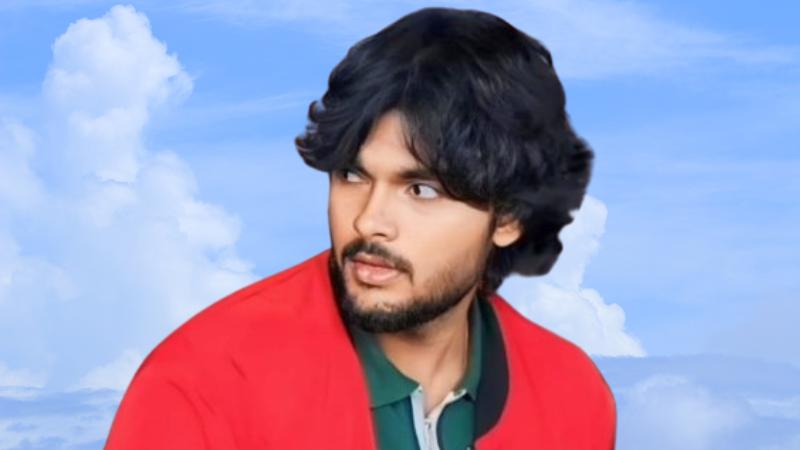
One such case has now drawn significant attention after Akira Nandan, son of actor and politician Pawan Kalyan, took legal action against unauthorized AI-generated content. A content creator had released a series of videos titled AI Love Story, allegedly using Akira Nandan’s digitally recreated imagery. The videos quickly gained traction on social media platforms, prompting Akira to approach the Delhi High Court, citing misuse of his identity and image.
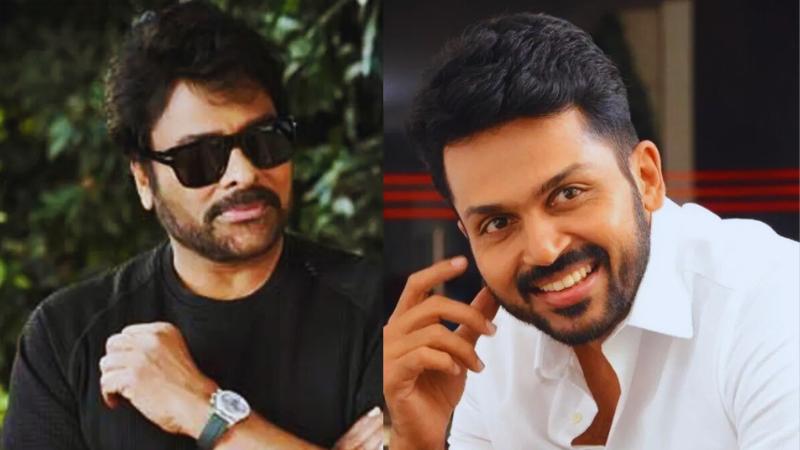
Responding swiftly, the Delhi High Court issued an injunction order directing content creators to refrain from using Akira Nandan’s image or likeness on social media without explicit consent. The court’s order reinforces the importance of individual privacy and consent, even in the rapidly evolving digital and AI-driven content space. This legal move follows similar actions taken earlier by several Telugu film stars who have sought injunctions against the unauthorized use of their images and likeness for commercial or viral content.
The ruling is being seen as a strong warning to AI content creators who rely on celebrity imagery to generate views and engagement. With no clear censorship mechanisms or audits governing AI-generated content, the risk of misuse remains high. The court’s intervention sets a clear precedent, emphasizing that technological innovation does not override personal rights. As AI continues to reshape content creation, this case highlights the need for ethical boundaries and legal accountability in the digital ecosystem.