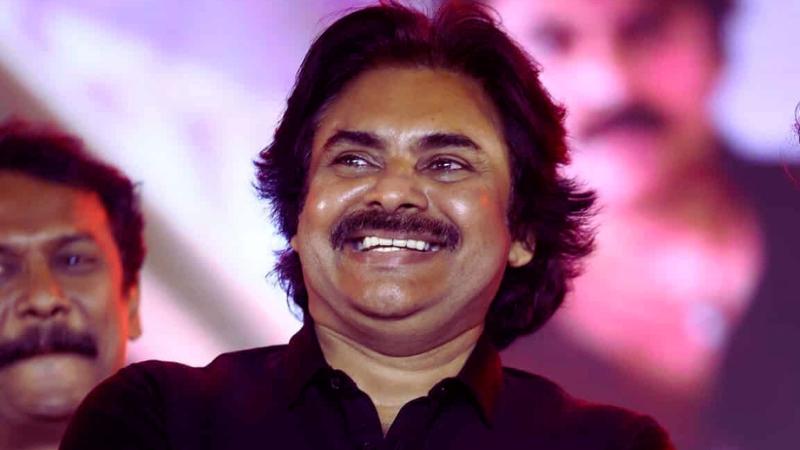
In the recent release of "Aura of Ustaad," the second single from the much-anticipated film Ustaad Bhagat Singh, fans were treated to a tribute to Pawan Kalyan’s character and mannerisms. The song, composed by Harish Shankar, also featured visuals that included glimpses of Pawan Kalyan's political journey. This raised some concerns among fans and critics alike, with speculations that the film might contain political undertones or references targeting opposition parties, particularly the YSR Congress.
However, Harish Shankar, the film's director, took to social media to offer clarification. In his statement, he emphasized that Pawan Kalyan has always been firm on the principle that politics and films should remain separate. Shankar added that despite having ideological differences, Pawan Kalyan continues to collaborate with actors like Prakash Raj, ensuring a neutral approach in his films. The director also confirmed that there will be no political dialogues or references targeting any political figures. Instead, the film will include dialogues designed to elevate the hero without resorting to political commentary, such as the "Gaaju Glass" reference.
This clear statement from Harish Shankar has sparked an important discussion on the need for filmmakers to keep political elements out of mainstream cinema. While it’s commendable that Shankar addressed the issue early on, it also serves as a lesson for other directors working with political figures in their films. Directors should refrain from incorporating political references, particularly those tied to real-life political ideologies, parties, or symbols. Instead, they should focus on portraying the positive qualities of their lead actors, just as director Sujeeth successfully did with OG, which was a massive hit without any political undertones.
By steering clear of political dramas, filmmakers can avoid unnecessary distractions and maintain the focus on storytelling. While Ustaad Bhagat Singh may not be able to correct its current political references, future projects should prioritize a neutral narrative to ensure a broader appeal to audiences across all political divides. Pawan Kalyan’s extensive fan base includes supporters from various political parties, and it’s essential to maintain that balance to avoid alienating any group.
As Ustaad Bhagat Singh continues its production, fans are eager to see if Harish Shankar’s efforts will result in a much-needed hit for Pawan Kalyan, following the disappointing performance of Mr. Bachchan. This film has had a long and turbulent production journey, with delays and setbacks, and it’s now up to the team to deliver a successful product that resonates with audiences. If directors follow the path of political neutrality, it may not only benefit Pawan Kalyan but also ensure that films remain an enjoyable escape from real-world conflicts.