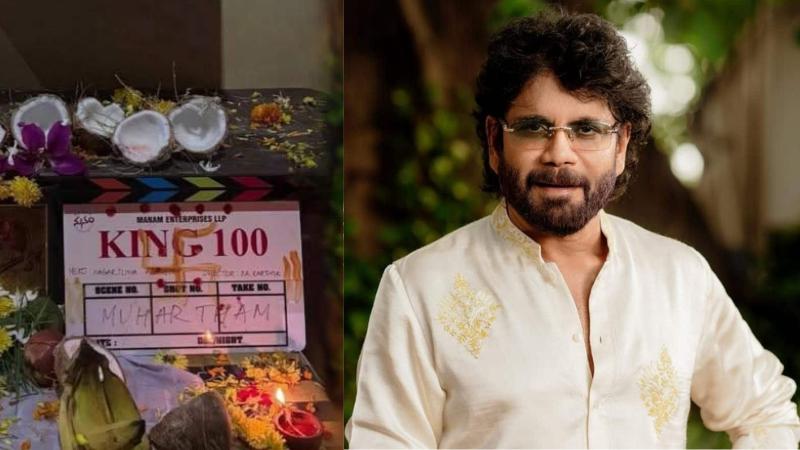
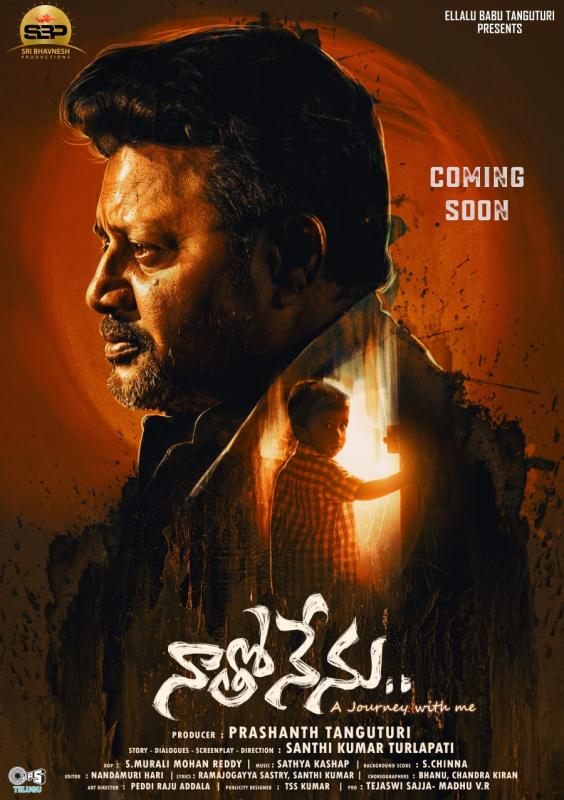
Megastar Chiranjeevi turns 71, marking another milestone in a career that has influenced generations of Telugu cinema audiences. From entering films without an industry background to becoming one of Indian cinema’s biggest stars, his journey continues to inspire fans and aspiring actors.
From Mogalturu beginnings to becoming the Megastar
Born Konidela Siva Sankara Vara Prasad and raised in Andhra Pradesh, Chiranjeevi entered cinema without an established industry network behind him. After training in acting, he began his film career in the late 1970s and initially appeared in supporting, negative and character roles before establishing himself as a leading man.
His willingness to take different roles during his early career helped him develop a distinctive screen personality. Films in the early 1980s steadily increased his popularity, but Khaidi in 1983 became the landmark that transformed his career. The film established Chiranjeevi as a major action hero and opened the door to an extraordinary run at the Telugu box office.
From there came films across genres, including Challenge, Pasivadi Pranam, Yamudiki Mogudu, Rudraveena, Jagadeka Veerudu Athiloka Sundari, Gang Leader, Gharana Mogudu, Mutha Mestri, Hitler, Master, Indra, Tagore and Shankar Dada MBBS.
What separated Chiranjeevi from many of his contemporaries was his ability to appeal simultaneously to mass audiences and families. He could carry intense action, comedy, emotional drama and romance without losing his core screen identity.
Chiranjeevi changed dance, action and mass cinema
One of Chiranjeevi’s biggest contributions to Telugu cinema was the way he changed the presentation of a commercial hero. His dancing became a major attraction long before elaborate dance numbers became essential elements of mainstream Telugu films.
His speed, rhythm, expressions and seemingly effortless movements inspired younger actors to place greater emphasis on dance. The influence can still be seen in Telugu cinema, where dancing ability has become an important part of the image of several leading stars.
Action was equally important to his rise. Chiranjeevi combined physical energy with distinctive body language, dialogue delivery and humour. Rather than presenting the hero only as invincible, many of his characters retained a working-class or middle-class connection that helped audiences identify with them.
Films such as Gang Leader, Gharana Mogudu and Mutha Mestri helped strengthen his “mass hero” image, while Rudraveena demonstrated another side of his acting through a socially conscious story. Indra later became one of the defining films of his career, while Tagore combined star power with an anti-corruption theme.
After spending years away from cinema during his political career, he made a full-fledged comeback with Khaidi No. 150. The response demonstrated that his connection with audiences had survived the long break. He subsequently continued with films including Sye Raa Narasimha Reddy, GodFather and Waltair Veerayya.
The Government of India described Chiranjeevi as one of Telugu cinema’s most successful and influential actors, noting a career of more than 150 feature films and highlighting his dance performances and action sequences.
Chiranjeevi awards, Guinness record and public service
Chiranjeevi’s career has earned recognition at both state and national levels. He has won three Nandi Awards along with multiple Filmfare honours and received the Raghupathi Venkaiah Award for his contribution to Telugu cinema.
The Government of India honoured him with the Padma Bhushan for his contribution to cinema and later conferred the Padma Vibhushan in 2024, India’s second-highest civilian honour.
In 2022, Chiranjeevi was presented with the Indian Film Personality of the Year honour at the 53rd International Film Festival of India in Goa, recognising his contribution to Indian cinema over several decades.
Another major international recognition arrived when Guinness World Records recognised Chiranjeevi as the “most prolific film star in the Indian film industry – actor/dancer.” Guinness documented 143 films in which his acting and dance appearances could be verified, covering 537 song performances.
His life also included a significant period in politics. He entered electoral politics, served in the Andhra Pradesh Legislative Assembly and later became a Rajya Sabha member from 2012 to 2018. He also served as Union Minister of State for Tourism with Independent Charge from October 2012 to May 2014.
Chiranjeevi humanitarian work and a legacy beyond films
Perhaps the most important part of Chiranjeevi’s legacy outside cinema is his charitable work. He established the Chiranjeevi Charitable Trust in 1998, with blood and eye donation becoming its major areas of service.
According to the official Padma citation, the trust had facilitated the collection and donation of more than 10 lakh units of blood and helped restore eyesight to more than 10,000 people through corneal transplants over its first 25 years. Chiranjeevi also supported campaigns involving child labour, AIDS awareness and polio eradication.
During the COVID-19 crisis, he supported film-industry workers and established 42 free oxygen banks across the Telugu states. Guinness World Records also highlighted his pandemic relief work and other humanitarian initiatives while documenting his career.
His influence continues through the wider Konidela family as well. Ram Charan has emerged as one of Indian cinema’s internationally recognised stars, while several members of the extended family have built careers in Telugu cinema. Yet Chiranjeevi’s greatest legacy may not simply be the number of actors who followed him.
He represented the possibility that an outsider with talent, discipline and persistence could rise to the very top of Telugu cinema. He helped redefine how a commercial hero danced, fought, entertained and connected with audiences. He then transformed his enormous fan following into a network that could also support social causes.
Even at 71, Chiranjeevi remains active in mainstream cinema. His continued presence across generations — from the era of Khaidi and Gang Leader to a new generation of large-scale films — makes his career one of the most enduring stories in Indian cinema.
For millions of fans, Chiranjeevi is therefore more than a successful actor. His legacy is a combination of cinema, reinvention, public service, philanthropy and the belief that stardom can survive changing generations when it is built on a lasting connection with audiences.