

Bottomline: Heartfelt, Genuine
Rating: 4.5/5
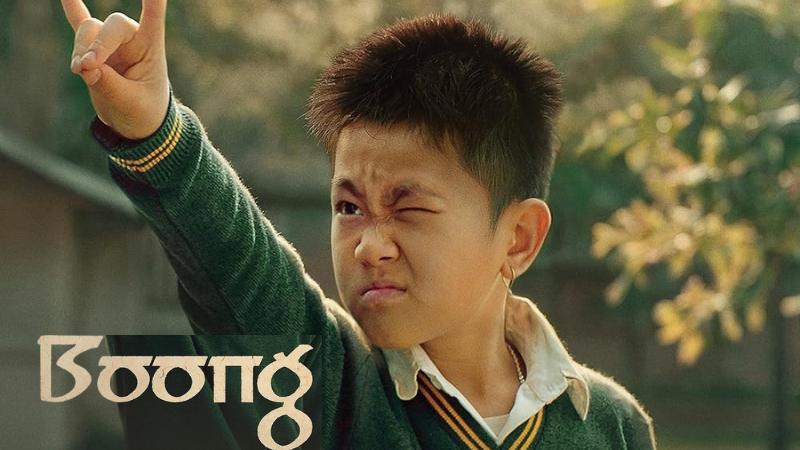
Boong: Latest Manipuri Movie Review
- 06 Mar 2026 12:40 PM
- #boong #manipurifilm #comingofage #bafta #regionalcinema #ethnicissues #migration #familyfilm #indianmovies #moviereview
Plot:
Boong is a Manipuri coming-of-age drama about a 9-year-old boy named Brojendra Singh (Boong), played by Gugun Kipgen, who embarks on a journey to find his missing father. Despite the adults around him accepting his father’s death, Boong refuses to give up hope and decides to venture into the border town of Moreh, even crossing into Myanmar, to reunite his mother with her missing husband.
Overview:
Directed by debut filmmaker Lakshmipriya Devi, Boong is a heartfelt, simple yet powerful film that blends innocence with social and political undertones. It captures Boong’s search for his father while exploring themes of ethnic tension, cultural stigma, and migration, set against the backdrop of Manipur.
Performances:
The performances in Boong are unpolished yet exceptionally real, adding to the film’s authenticity. Gugun Kipgen as Boong carries the film with a perfect mix of mischief and vulnerability, portraying a child’s unshakeable belief in the impossible. Bala Hijam, who plays Boong's mother, Mandakini, delivers a restrained yet quietly devastating performance, beautifully showcasing the weight of reality amid the innocence of childhood.
Technical Aspects:
- Cinematography: The cinematography in Boong stands out for its ability to capture the Manipuri landscape not just as a backdrop but as an integral part of the emotional core of the film. The natural beauty of the setting is juxtaposed with the underlying tension and complexity of the social and political environment.
- Storytelling: Lakshmipriya Devi’s debut feature demonstrates a surprising level of maturity in storytelling. The film’s quiet, thoughtful style allows the themes of ethnic tensions, separatist struggles, and cultural stigma to unfold in subtle, everyday moments, making the serious issues feel like natural elements of the world Boong inhabits.
Music and Editing:
- Music: The soundtrack is simple and complements the film’s quiet nature. It doesn’t overpower the emotions but blends in seamlessly with the narrative, enhancing the viewer's connection to the story.
- Editing: The pacing of Boong is deliberate, allowing the emotional beats to resonate. The editing stays true to the film's gentle tone, maintaining a natural flow between scenes while highlighting Boong’s personal growth and emotional journey.
Positives:
- The film’s simplicity is its strength. Boong tells its story with sincerity and authenticity, avoiding the need for dramatic flair.
- The performances, especially by Gugun Kipgen and Bala Hijam, are natural and compelling.
- It subtly explores social issues like ethnic tensions, patriarchy, and the insider-outsider debate without heavy-handedness.
- The depiction of childhood friendship between Boong and Raju is both charming and heartfelt.
Negatives:
- The slow pacing may not appeal to viewers accustomed to more dramatic or fast-paced films.
- The understated storytelling style might be less engaging for those looking for high-energy cinema.
Analysis:
Boong is a standout film in regional Indian cinema. While the mainstream often favors spectacle over substance, Boong proves that powerful stories can come from the smallest voices. Lakshmipriya Devi’s delicate handling of serious issues like ethnic identity, loss, and cultural stigma makes the film both relatable and poignant. The themes of migration and discrimination resonate deeply, particularly in the context of how Northeast Indians are treated in the rest of India.
What is your response?
❤️
Love
0%
👍
Like
0%
👎
Dislike
0%
🤔
Interesting
0%
😂
Funny
0%
😮
Wow
0%
😢
Sad
0%

Om Bheem Bush Review: Mindless But Funny
Om Bheem Bush which marks the coming together of Sree Vishnu, Priyadarshi, and Rahul Ramakrishna has hit the theaters today amidst decent hype. Let us see what the film has to offer. Story: Krishnakanth(Vishnu) Vinay(Priyadarshi) and Madhav(Rahul) are three over-the-top individuals who claim to be scientists. They set foot in a scarce village in the name of an experiment but find themselves in the midst of a black magic conspiracy which turns their lives
Read More →
Miss Shetty Mr Polishetty: Naveen Polishetty stands out
Naveen Polishetty is the finest comical lead actor in Telugu cinema as of now and the same was instated with Agent Sai Srinivasa Athreya and Jathi Ratnalu. His new film. Miss Shetty Mr Polishetty release today and here's what we have ot say after watching the same. Story: Anushka is a fiercely feminine lady living in London and wants to be single forever. She works as a chef. Naveen Polishetty is a stand up comedian from Hyderabad, and he wants t
Read More →
Minions & Monsters Review: A Fun Family Tribute To Hollywood
Plot: Minions & Monsters follows James, Henry and Ed as they accidentally enter the world of Hollywood while searching for their next Big Boss. After creating chaos on a film set, the Minions unexpectedly become silent-era movie stars. Their rise brings fame, fans and dreams of Oscars, but the arrival of sound cinema threatens their success. James then tries to make a monster movie, leading to a hilarious adventure filled with friendship, failure, loyalty and big dreams. Overview: Minions & Mons
Read More →
Bridgerton Season 4 Part 2: Latest English Movie Review
Plot: Bridgerton Season 4 Part 2 focuses on the evolving romance between Benedict Bridgerton and Sophie Baek, as they navigate class, privilege, and societal expectations. Benedict’s impulsive offer for Sophie to be his mistress becomes the emotional turning point, forcing both characters to confront their desires, commitment, and responsibility. Alongside their story, Anthony and Kate’s established love highlights the maturity of a partnership. The season also touches on themes of legacy, grief
Read More →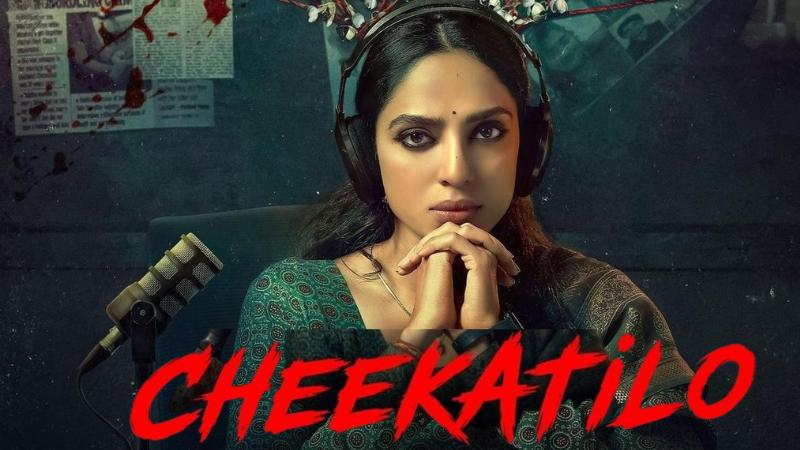
Cheekatilo : Latest Telugu Movie Review
Plot A popular TV channel employee is brutally murdered, sending shockwaves through the media world. Her close friend Sandhya (Sobhita Dhulipala) takes it upon herself to uncover the truth behind the crime. To expose the killer, Sandhya launches an audio podcast, narrating clues and theories related to the murder. However, this bold move provokes the serial killer, who begins to see Sandhya as his next target. The story unfolds around whether Sandhya can outsmart the killer and reveal his identi
Read More →
The Devil Wears Prada 2 Review: Fashion Meets Digital Media Struggles
Plot Nearly two decades after the original, The Devil Wears Prada 2 follows Miranda Priestly as she battles to keep Runway magazine relevant in a digital-first world. With print collapsing and online metrics dictating editorial decisions, Miranda is forced to adapt without compromising her authority. Andy Sachs returns as a successful journalist, while Emily Charlton now holds power in the fashion industry, potentially becoming both an ally and a threat. The story revolves around a high-stakes c
Read More →
Mastiii 4 : Latest Hindi Movie Review
Plot Mastiii 4 brings back Amar, Meet, and Prem as three frustrated husbands stuck in monotonous marriages. Seeking an escape from their suffocating domestic routines, they get influenced by the concept of a “Love Visa,” which promises carefree fun outside marriage. Their plan spirals into chaos when their wives also opt for a getaway, leading to a “reverse masti.” What follows is a series of loud gags, recycled slapstick, and double-meaning jokes that struggle to land. Overview The fourth insta
Read More →
Bhagavanth Kesari Review: Message Delivered In Old Package
Nandamuri Balakrishna has collaborated with Anil Ravipudi for Bhagavanth Kesari which has released in theaters today. Let us see what the film has to offer. Story: Nelakonda Bhagavanth Kesari is a rural man who serves jail time and he develops a bonding with Vijji Papa(Sree Leela), the daughter of the jailer, Sarathkumar. With the passing of the jailer, Bhagavanth takes the responsibility of bringing up Vijji Papa. How did the actors perform?
Read More →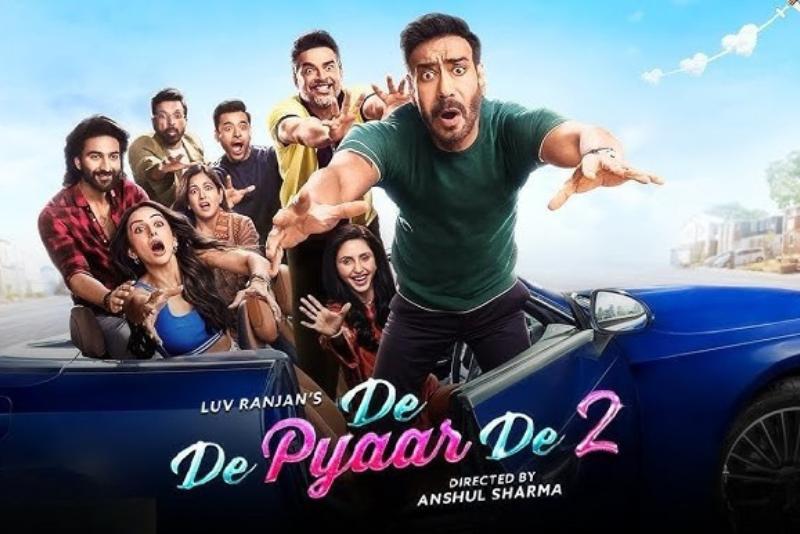
De De Pyaar De 2 : Latest Hindi Movie Review
Plot: “De De Pyaar De 2” continues the story of Ashish (Ajay Devgn) and Aisha (Rakul Preet Singh), focusing on their age-gap romance. The film centers on Ashish seeking approval from Aisha’s progressive yet somewhat conservative family. As they navigate family dynamics, misunderstandings, and generational clashes, the couple’s love is tested with humour, emotional twists, and colorful Bollywood-style drama. Overview: The film is a breezy, entertaining romantic comedy with elements of family dram
Read More →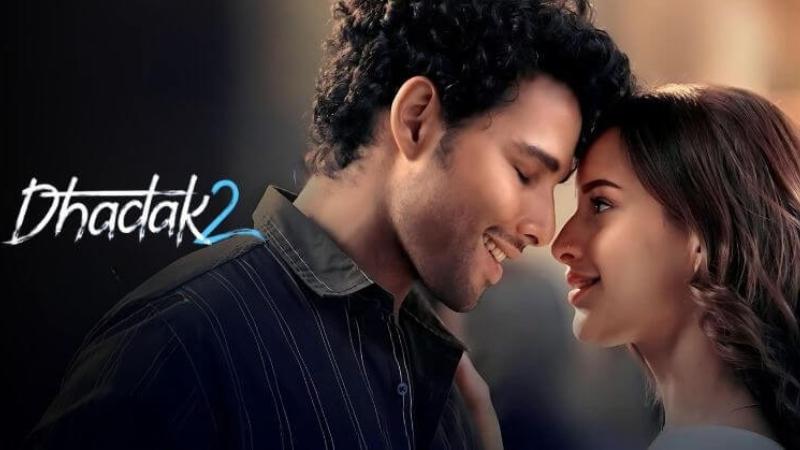
Dhadak 2 : Latest Hindi Movie Review
Plot "Dhadak 2" follows Neelesh (Siddhant Chaturvedi), a young man struggling under the burden of caste shame and oppression. His life intersects with Vidhi (Triptii Dimri), a young woman who challenges societal norms. Together, they navigate the complexities of caste-based atrocities, with Neelesh facing the cruel realities of caste discrimination. The film explores moments of personal suffering, pub
Read More →









