Bangladesh protests intensify as group demands ban on Indian work permits over Osman Hadi killing
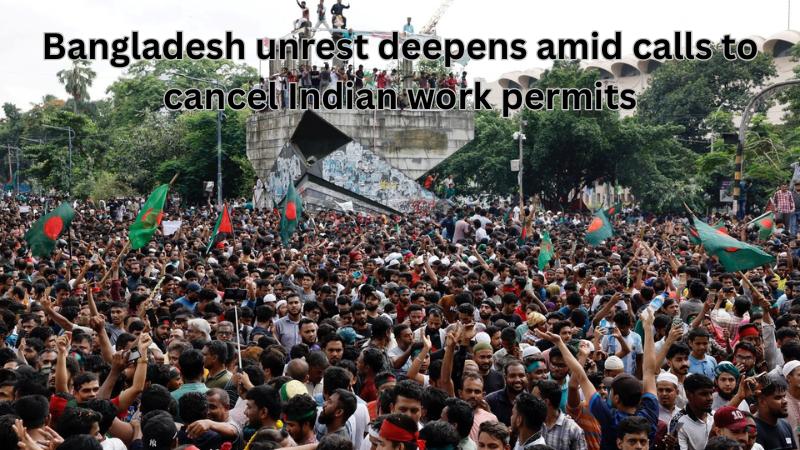
Tensions in Bangladesh have escalated sharply following the killing of student leader Sharif Osman Hadi, triggering widespread protests and renewed anti-India sentiment across the country. A radical student outfit linked to Hadi, Inqilab Moncho, has issued a strong ultimatum to the interim Yunus administration, demanding sweeping action within strict deadlines, including the suspension of work permits issued to Indian nationals.
The group announced its demands during a protest gathering at Shahbagh in Dhaka, where its leaders accused the government of failing to act decisively against those involved in Hadi’s murder. According to the organisation, the entire network behind the killing, including planners, accomplices, escape facilitators, and those who allegedly provided shelter, must be brought to justice within 24 days. The group also demanded immediate clarity on the whereabouts of the accused, claiming that some suspects may have fled to India.
One of the most controversial demands issued by Inqilab Moncho is the call to cancel work permits of Indians working in Bangladesh if the accused are not extradited or if no official statement is issued regarding their alleged presence in India within 24 hours. The group further warned that if India refuses to return those accused of involvement in the murder, Bangladesh should consider filing a case at the International Court of Justice. In addition, the organisation demanded the arrest of what it described as “fascist elements” within the country’s civil military intelligence apparatus.
These demands have added fuel to already strained relations between India and Bangladesh, especially amid rising street protests, road blockades, and demonstrations in several cities. Supporters of Osman Hadi have continued to mobilise, insisting that justice has been delayed and accusing authorities of shielding influential figures.
Bangladesh police earlier claimed that two prime suspects in the Hadi murder crossed into India through the Haluaghat border in Mymensingh, which connects to Meghalaya. However, Indian border authorities strongly rejected these allegations, stating that there was no evidence of any such cross-border movement and calling the claims misleading.
The situation has further deteriorated following recent incidents of mob violence, including the lynching of two Hindu men in Bangladesh. India has officially raised concerns over the safety of minorities, urging Bangladeshi authorities to ensure accountability and justice. In response, Bangladesh’s foreign ministry dismissed the concerns, arguing that isolated criminal incidents were being portrayed as systemic persecution to fuel anti-Bangladesh sentiment.
Osman Hadi, known for his anti-India and anti-Hasina stance, died on December 18, days after being shot in the head in Dhaka. His death sparked violent protests, arson attacks, and damage to public and private property, including media offices. As protests continue and political rhetoric intensifies, the situation remains volatile, with potential implications for regional stability and bilateral relations in South Asia.