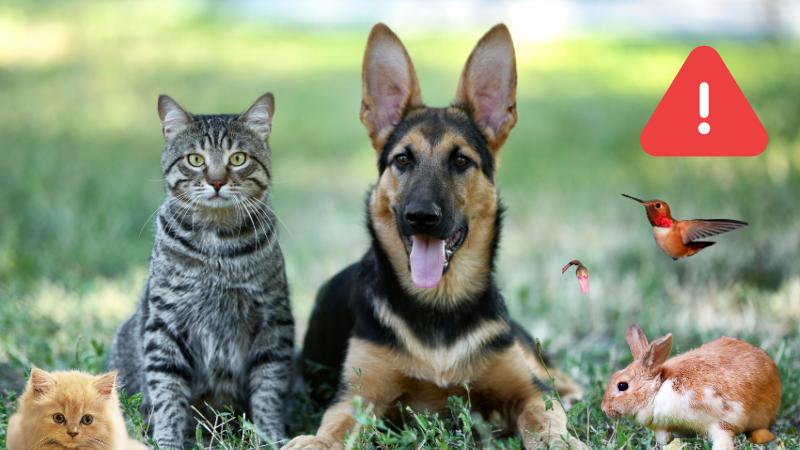
Residents of Illinois are being urged to stay vigilant after a dead rabbit found in Tuscola tested positive for tularemia, a bacterial disease that poses a risk to both humans and animals. The Douglas County Health Department confirmed that the rabbit was discovered and tested following reports of unusual animal deaths in the area. Tuscola, located about 25 miles south of Champaign, became the focus of public health attention after the positive result. Adding to the concern, officials also reported a series of squirrel deaths in the Urbana region in recent weeks, with one squirrel confirmed to have been infected with the same bacterial illness.
Tularemia, caused by the bacterium Francisella tularensis, is commonly found among certain animal species, particularly rabbits, rodents, and hares. Domestic pets such as cats and dogs are also susceptible to the infection. While relatively rare, tularemia can be serious if left untreated. The disease spreads primarily through direct contact with infected animals, but humans can also contract it through bites from ticks and fleas that have fed on infected wildlife. In some cases, inhalation of contaminated dust or aerosols can also result in transmission.
The symptoms of tularemia are varied but often include skin ulcers at the site of infection, swollen lymph nodes, a sudden onset of fever, chills, headache, muscle aches, joint pain, coughing, diarrhea, and general weakness. The Centers for Disease Control and Prevention highlight that tularemia can manifest differently depending on how the bacteria enter the body, but all forms of the disease require prompt antibiotic treatment to avoid complications.
Farmers, landscapers, and those who spend a significant amount of time outdoors are at a higher risk of contracting tularemia. Activities such as mowing or using machinery in fields where dead or infected animals may be present can aerosolize the bacteria, making it easier to inhale and become infected. Health officials are advising extra caution for individuals involved in outdoor work during this time, recommending the use of protective gear and encouraging avoidance of direct contact with wild animals, especially those that appear sick or dead.
Pets are also at risk, and owners are being reminded to monitor their animals closely. Symptoms in pets can be similar to those in humans and may include lethargy, fever, and loss of appetite. Veterinarians recommend keeping pets indoors as much as possible, using tick prevention methods, and avoiding allowing them to hunt or scavenge wild animals. Early veterinary intervention can be critical in cases where pets are exposed or infected.
While tularemia infections remain relatively uncommon in Illinois, the recent incidents in Douglas County and Urbana underscore the importance of community awareness and preventative action. Residents who come across dead animals are urged not to handle them directly. Instead, they should contact local health departments for guidance. The disease is treatable, but timely diagnosis is key to effective management and recovery.
Public health officials continue to monitor wildlife health trends across the region, particularly as warmer weather leads to increased outdoor activity for both humans and animals. The Illinois Department of Public Health has emphasized the importance of education in minimizing the spread of zoonotic diseases such as tularemia. This includes raising awareness about tick and flea control, maintaining good hygiene practices after outdoor activities, and taking precautions when handling soil, animal carcasses, or engaging in landscaping tasks.
Residents are encouraged to stay informed and take practical measures to protect themselves, their families, and their pets. The discovery of tularemia in local wildlife serves as a reminder of the interconnectedness of human and animal health and the need for ongoing vigilance in preventing the spread of infectious diseases.