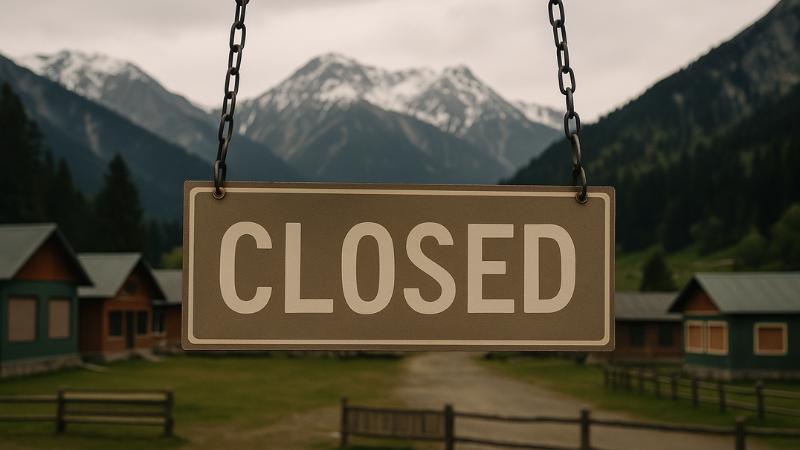
In a major blow to Jammu and Kashmir’s thriving tourism industry, the government has shut down dozens of resorts and restricted access to several popular tourist destinations across the Union territory. The move comes just days after a horrifying terror attack at the picturesque meadows of Pahalgam left 26 civilians dead, triggering widespread panic and fear among both locals and visitors. According to official sources, at least 48 resorts have been ordered to close as a preventive measure to ensure the safety of tourists and residents. Some of Kashmir’s well-known sites such as Doodhpatri and Verinag have also been declared off-limits for tourists. The administration is working closely with security agencies to monitor the situation and take further action as needed to maintain law and order.
The attack in Pahalgam has sent shockwaves throughout the region, dramatically impacting tourism, which is a vital source of income for many Kashmiris. In the immediate aftermath of the massacre, tourists began fleeing the Union territory, and many upcoming trips were canceled. Local businesses, including hotels, tour operators, and shop owners, have reported a sharp decline in customers, raising fears of a prolonged economic slump. Just a week ago, Pahalgam was bustling with activity. Markets were lively, filled with travelers exploring the town’s scenic beauty, shopping for handicrafts, and savoring local cuisine. Today, the landscape has drastically changed. Streets that once echoed with the voices of excited tourists now stand deserted. Hotel bookings have plummeted, and shops remain shuttered, waiting for better days.
Locals fear that the downturn in tourism could have a devastating impact on their livelihoods. Many families depend directly or indirectly on the income generated from visitors. Taxi drivers, guides, artisans, and small business owners have all been affected, and there is growing concern that if the situation does not improve soon, the economic consequences could be long-lasting. Tourism in Kashmir had seen a revival in recent years after a period of political instability. New government initiatives, improved infrastructure, and a focus on promoting the region’s natural beauty had led to a steady increase in tourist arrivals. Hotels and resorts were expanding, new restaurants were opening, and there was a renewed sense of optimism among the locals. However, the recent violence has cast a dark shadow over these gains.
Officials have assured that security forces are taking all necessary measures to stabilize the situation. They are also urging tourists not to panic and to follow official advisories for their safety. However, fear continues to linger among those who witnessed the brutal events firsthand and among prospective travelers reconsidering their plans to visit Kashmir. The closure of resorts and tourist spots is seen as a necessary step to prevent any further incidents and to allow the security apparatus to operate without the added complication of civilian presence in sensitive areas. Authorities have not indicated how long the restrictions will remain in place, but it is expected that decisions will be made based on real-time security assessments.
Impact on Locals and the Future of Kashmir Tourism
For the people of Kashmir, tourism is not just an industry; it is a lifeline. With agriculture also facing challenges, many have diversified into tourism-related businesses to sustain their families. The current situation has not only instilled fear but also robbed them of their main source of income at the beginning of what should have been a busy summer season. Tour operators report a surge in cancellations. Airlines and travel agencies are witnessing a dip in bookings, and many tourists who were planning to travel to Kashmir during the summer holidays are now opting for alternative destinations. Some travel forums and advisory websites have updated their Kashmir travel guidelines, suggesting travelers exercise extreme caution or postpone their trips altogether.
While the government has promised measures to boost confidence and ensure security for future visitors, rebuilding trust will take time. The tourism industry in Kashmir has shown resilience in the past, bouncing back after setbacks. However, the scale of the current tragedy and the emotional toll it has taken on both locals and potential tourists present a serious challenge. Local businesses are appealing for financial assistance and policy support to survive this difficult period. There are calls for special relief packages, tax waivers, and promotional campaigns to revive the tourist inflow once the situation stabilizes. The haunting memory of the attack at Pahalgam and its devastating aftermath will likely linger for a long time. Kashmir's serene valleys and majestic mountains continue to hold an irresistible charm for travelers around the world. But for now, they remain eerily silent, waiting for the laughter and footsteps of visitors to return.