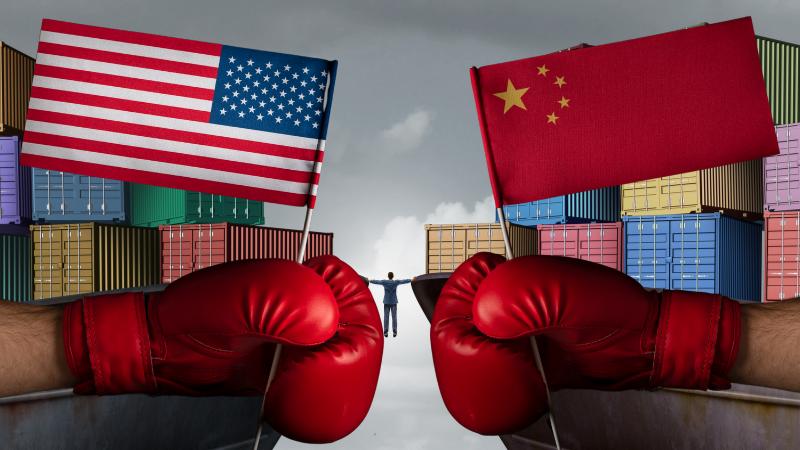
Under the terms of the agreement, the United States will lower its tariffs on Chinese imports from an extreme 145% to 30%. In return, China will reduce its tariffs on American goods from 125% to 10%. This mutual rollback, slashing some duties by over 100%, represents a critical step in defusing months of economic tension and uncertainty. The reductions are designed not only to stimulate trade flows but also to reassure global markets that had been rattled by the prolonged standoff.
The trade negotiations marked the highest-level engagement between the two countries since punitive tariffs were first imposed earlier this year. In addition to agreeing on tariff cuts, both sides committed to forming a structured mechanism to continue dialogue on broader trade and economic issues. The process will be led by senior representatives from each country, including a Chinese Vice Premier and key US economic officials from the Treasury and Trade departments.
This momentary easing of hostilities brought swift positive reactions from financial markets around the world. Investors responded with renewed optimism, pushing Hong Kong's main stock index up by 3%. Futures on major US indices also saw significant gains, with the Dow Jones Industrial Average, S&P 500, and Nasdaq all experiencing notable jumps in pre-market trading. These movements suggest that market participants see the agreement as a stabilizing influence, at least in the short term, after months of volatility.
The agreement also addressed a critical public health concern. During the talks, US officials raised the issue of fentanyl—a powerful synthetic opioid—and its production components originating from China. American negotiators emphasized the impact of the fentanyl crisis and the need to regulate chemical exports that can be used to manufacture the drug. Chinese representatives acknowledged the urgency of the problem and appeared open to further cooperation, though a 20% punitive tariff related to this issue will remain in place for now.
The 90-day pause serves as both a cooling-off period and a testing ground for more comprehensive future deals. Observers note that the agreement, while temporary, breaks a cycle of retaliatory measures that had threatened global supply chains and economic growth. Business leaders in key sectors such as manufacturing, agriculture, and technology are watching closely, hoping that this agreement leads to longer-term policy consistency and reduced uncertainty.
Still, significant challenges remain. Deep-seated differences in intellectual property rights, technology transfers, industrial subsidies, and market access continue to be points of contention. While the current deal alleviates immediate pressures, it does not address the structural issues at the core of the US-China trade relationship. Success in the coming months will depend on how both sides navigate these underlying complexities and whether they can sustain momentum beyond the 90-day window.
As part of the agreement, both governments pledged to begin preparing for a broader framework that could guide future economic relations. The implementation phase will involve not only enforcing tariff reductions but also developing channels for sustained dialogue and trust-building. Officials emphasized that cooperation, rather than confrontation, is essential for long-term global economic stability.
The truce is not a resolution, but it is a significant opening. It reflects a mutual recognition that continued escalation would be detrimental to both nations and to the world economy at large. With markets already responding favorably, the deal presents an opportunity for diplomatic and economic recalibration, even if the path forward remains uncertain.
This 90-day period will be critical in determining the future trajectory of US-China relations. If the initial commitments are upheld and expanded upon, it may mark the beginning of a more collaborative chapter. However, if talks falter or disagreements resurface, the trade war could reignite with greater intensity. For now, both nations seem intent on using this opportunity to reset their approach and explore mutually beneficial solutions.