Boeing has made significant strides in its commercial aircraft sales following U.S. President Donald Trump's recent diplomatic visit to the Middle East. The aviation giant secured two notable deals—one with Saudi Arabia's lessor AviLease for up to 30 737 MAX jets, and another with Qatar Airways, expected to include an order for at least 160 Boeing aircraft. These agreements represent a substantial boost to Boeing's order book and reflect growing ambitions within the Middle East's aviation sector.
AviLease's order for the 737 MAX narrowbody jets marks its first direct procurement with Boeing, underlining the lessor's strategic growth objectives. The order includes 20 firm 737-8 aircraft with options for 10 additional jets. AviLease's CEO Edward O’Byrne expressed optimism about the purchase, stating that the addition of new-generation fuel-efficient planes will support their global expansion strategy. The aircraft are scheduled to be delivered by 2032 and are expected to play a key role in Saudi Arabia’s vision of becoming a global tourism hub. The kingdom has set ambitious targets to attract 150 million tourists and serve over 330 million passengers annually by 2030, and modernizing its aviation infrastructure is a cornerstone of that vision. AviLease, which currently manages a fleet of 200 aircraft leased to 48 airlines, views the 737 MAX as a valuable asset to diversify its portfolio and align with industry sustainability goals.
In a parallel development, Boeing also secured a large order from Qatar Airways while President Trump was in Doha. Though details remain officially undisclosed, industry sources suggest the order includes at least 160 aircraft, primarily Boeing 787 Dreamliner long-haul jets. This transaction aligns with Qatar Airways’ long-term fleet expansion plans and further cements its reliance on Boeing aircraft. Boeing’s senior leadership, including CEO Kelly Ortberg, was present in the Gulf to finalize the agreement, which comes amid increased competition in global aviation and growing pressure on airlines to modernize their fleets with fuel-efficient and technologically advanced aircraft.
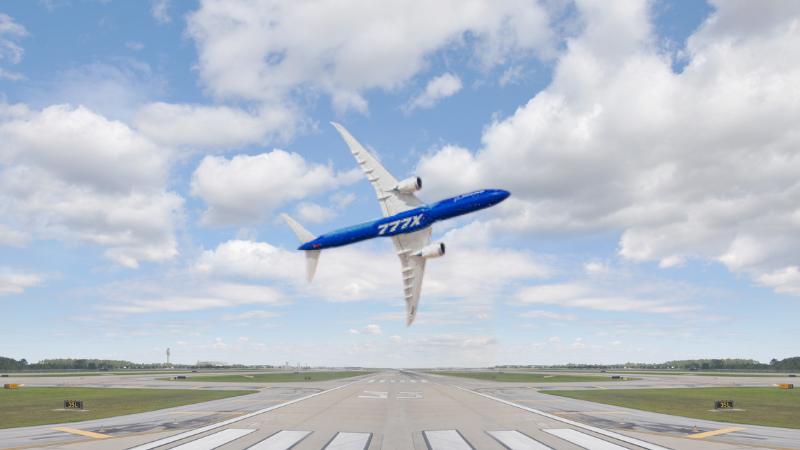
Qatar Airways currently operates a mixed fleet of Boeing, Airbus, and Gulfstream aircraft. Among its Boeing fleet are nine relatively young 737 MAX 8 aircraft, along with 92 Boeing 777 jets that average 11 years of age. This includes seven 777-200s, 57 777-300ERs, and 28 777 Freighters. The airline is also awaiting delivery of one more 777-200 and two 777X (777-9) jets, which are pending certification. In addition, Qatar Airways has an established long-haul fleet comprising 53 Boeing 787 Dreamliners, split between 31 787-8s and 22 787-9s, with three more Dreamliners pending delivery. The latest deal is expected to further strengthen the airline’s long-haul capabilities and enable it to serve new global routes.
The airline’s Airbus fleet consists of 109 aircraft, including a narrowbody collection of older A319 and A320 planes. The widebody Airbus fleet features 11 aging A330s, two older A340s, and a younger set of 58 A350XWB aircraft, with three more A350s awaiting delivery. Qatar Airways also maintains eight Airbus A380 superjumbos with an average age of nine years, although their long-term future remains uncertain amid the shift toward more fuel-efficient twin-engine jets.
The new agreement with Boeing not only reflects the airline’s operational strategy to remain competitive in international aviation but also indicates a broader trend among Middle Eastern carriers aiming to modernize their fleets rapidly. These strategic aircraft purchases signal long-term confidence in the aviation market and emphasize the region’s desire to establish itself as a central player in global air travel and tourism.
Boeing’s success in closing significant deals with both Saudi Arabia and Qatar highlights the company’s continued influence and adaptability in a changing global market. These agreements are likely to contribute heavily to the manufacturer’s production pipeline over the next decade while enabling both countries to push forward with their ambitious aviation goals.
AviLease's order for the 737 MAX narrowbody jets marks its first direct procurement with Boeing, underlining the lessor's strategic growth objectives. The order includes 20 firm 737-8 aircraft with options for 10 additional jets. AviLease's CEO Edward O’Byrne expressed optimism about the purchase, stating that the addition of new-generation fuel-efficient planes will support their global expansion strategy. The aircraft are scheduled to be delivered by 2032 and are expected to play a key role in Saudi Arabia’s vision of becoming a global tourism hub. The kingdom has set ambitious targets to attract 150 million tourists and serve over 330 million passengers annually by 2030, and modernizing its aviation infrastructure is a cornerstone of that vision. AviLease, which currently manages a fleet of 200 aircraft leased to 48 airlines, views the 737 MAX as a valuable asset to diversify its portfolio and align with industry sustainability goals.
In a parallel development, Boeing also secured a large order from Qatar Airways while President Trump was in Doha. Though details remain officially undisclosed, industry sources suggest the order includes at least 160 aircraft, primarily Boeing 787 Dreamliner long-haul jets. This transaction aligns with Qatar Airways’ long-term fleet expansion plans and further cements its reliance on Boeing aircraft. Boeing’s senior leadership, including CEO Kelly Ortberg, was present in the Gulf to finalize the agreement, which comes amid increased competition in global aviation and growing pressure on airlines to modernize their fleets with fuel-efficient and technologically advanced aircraft.
Qatar Airways currently operates a mixed fleet of Boeing, Airbus, and Gulfstream aircraft. Among its Boeing fleet are nine relatively young 737 MAX 8 aircraft, along with 92 Boeing 777 jets that average 11 years of age. This includes seven 777-200s, 57 777-300ERs, and 28 777 Freighters. The airline is also awaiting delivery of one more 777-200 and two 777X (777-9) jets, which are pending certification. In addition, Qatar Airways has an established long-haul fleet comprising 53 Boeing 787 Dreamliners, split between 31 787-8s and 22 787-9s, with three more Dreamliners pending delivery. The latest deal is expected to further strengthen the airline’s long-haul capabilities and enable it to serve new global routes.
The airline’s Airbus fleet consists of 109 aircraft, including a narrowbody collection of older A319 and A320 planes. The widebody Airbus fleet features 11 aging A330s, two older A340s, and a younger set of 58 A350XWB aircraft, with three more A350s awaiting delivery. Qatar Airways also maintains eight Airbus A380 superjumbos with an average age of nine years, although their long-term future remains uncertain amid the shift toward more fuel-efficient twin-engine jets.
The new agreement with Boeing not only reflects the airline’s operational strategy to remain competitive in international aviation but also indicates a broader trend among Middle Eastern carriers aiming to modernize their fleets rapidly. These strategic aircraft purchases signal long-term confidence in the aviation market and emphasize the region’s desire to establish itself as a central player in global air travel and tourism.
Boeing’s success in closing significant deals with both Saudi Arabia and Qatar highlights the company’s continued influence and adaptability in a changing global market. These agreements are likely to contribute heavily to the manufacturer’s production pipeline over the next decade while enabling both countries to push forward with their ambitious aviation goals.