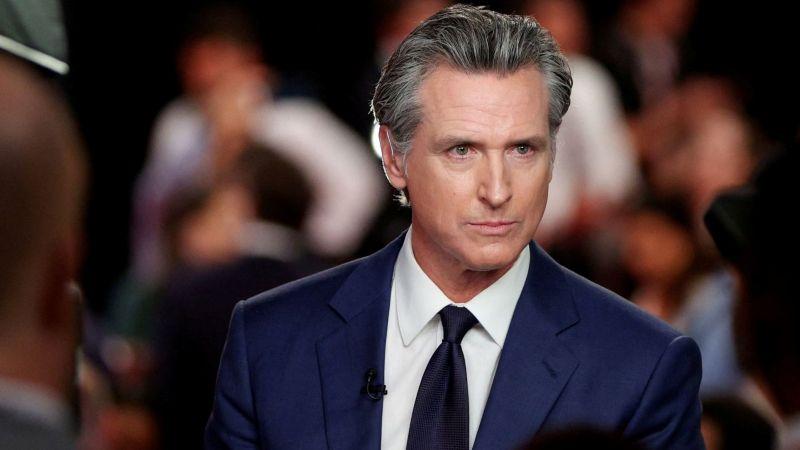
California Governor Gavin Newsom is reversing his stance on expanding free health care access for undocumented immigrants, a move that once underscored his push toward universal health care in the state. In a major policy shift, Newsom is proposing to halt new Medi-Cal enrollment for low-income immigrants without legal status beginning in 2026 and require monthly premium payments from current enrollees starting in 2027.
The decision comes as the state grapples with a growing $6.2 billion shortfall in its Medicaid program, Medi-Cal, fueled by the rising costs of health care and broader economic uncertainty tied to federal tariff policies. According to Newsom, the economic strain has made the expansion unsustainable in the short term, forcing difficult but necessary steps to preserve the integrity of the state's health system.
California had been among the first states in the nation to offer state-funded health coverage to all low-income adults regardless of immigration status. That policy, which launched last year and excluded federal funding, was expected to cost $2.7 billion more than originally estimated. The steep overrun, combined with wildfires, growing pharmacy expenses, and an aging population on Medi-Cal, has put severe pressure on the state budget.
Under the proposed changes, new applications for Medi-Cal from undocumented adults would be paused beginning in 2026. Those already enrolled would not be removed but would have to start paying a $100 monthly premium by 2027. Children and some legal immigrants under "unsatisfactory status" categories will not be impacted, and the exact duration of the enrollment freeze remains undefined.
Newsom has framed the shift as an unfortunate but prudent financial recalibration during a time of uncertainty. California is also dealing with the fiscal aftermath of federal tariffs championed by President Donald Trump, which Newsom claims have cost the state nearly $16 billion in tax revenue. The economic slowdown and volatile markets have further complicated long-term budget planning.
“The state must take difficult but necessary steps to ensure fiscal stability and preserve the long-term viability of Medi-Cal for all Californians,” said Newsom’s office in a statement. His revised proposal is expected to save the state an estimated $5.4 billion between 2028 and 2029. However, the announcement has already sparked concern and debate in Sacramento. Lawmakers, many of whom supported the previous expansion, are weighing how to respond. Assemblymember Jesse Gabriel, who chairs the budget committee, said tough decisions were unavoidable. “This is going to be a very challenging budget,” he warned.
The proposed rollback will now enter negotiations with California's Democrat-controlled Legislature. Newsom must finalize the state budget by June. It’s unclear how much resistance the plan will face, especially given strong support in the past for immigrant-inclusive health reforms. Last year, Newsom and the Legislature resorted to dipping into the state’s rainy-day fund, slashing nearly 10% from most state departments, and temporarily raising taxes on select businesses to cover a $46.8 billion deficit. But with mounting costs and projections showing future deficits in the tens of billions, the pressure to curb spending continues.
Despite the cutbacks, Newsom’s administration is still pushing forward with key programs, including the country’s first universal transitional kindergarten initiative and an expanded $750 million film and TV tax credit meant to lure production back to California from New York and Georgia. He has also called on federal lawmakers to adopt a national $7.5 billion film incentive plan.
As the Governor prepares to deliver his updated budget, observers across the state are watching closely to see whether Newsom’s political allies will stand by his reversal on a major progressive achievement or fight to preserve health care access for vulnerable communities. The upcoming weeks will be critical in shaping the future of California's health care system and Newsom’s legacy as he nears the end of his term in office.