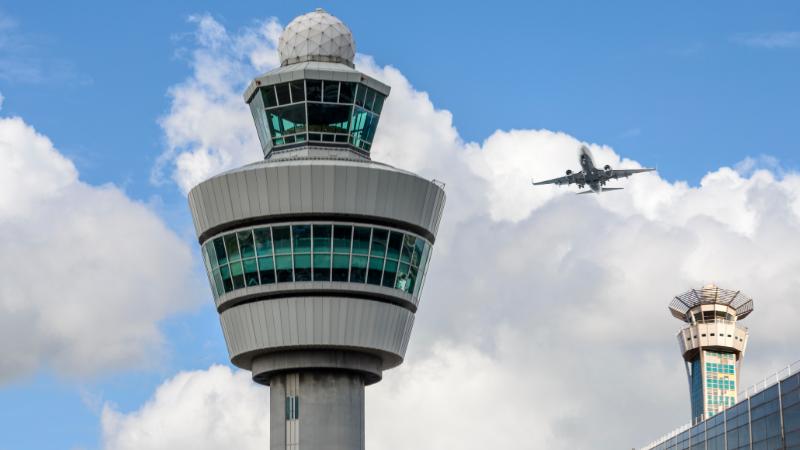
Travelers flying in and out of New Jersey’s Newark Liberty International Airport may soon experience smoother skies, as the Department of Transportation announces key improvements to communication systems that have recently caused flight issues. For weeks, Newark has dealt with a string of disruptions caused by communication breakdowns between air traffic controllers and pilots. These problems have raised concerns about traveler safety and the efficiency of flight operations.
Transportation Secretary Sean Duffy has revealed that a major part of the problem lies in a faulty fiber optic line, specifically in the stretch between Philadelphia and New York. According to Duffy, Verizon has now completed the installation of a brand-new fiber line along this critical corridor. "That was the trouble portion of the line," said Duffy. "It's been laid, and we're doing some of the connections right now, and then we have to test it. I don't want to over promise and under deliver." While cautious about setting firm deadlines, he added that if all goes according to plan, the new fiber line could be fully operational by the beginning of July.
This upgrade is intended to ensure better communication between aircraft and ground control, reducing the chances of miscommunication that have recently led to delays and potential safety issues. Newark Liberty International Airport is a major hub serving millions of travelers annually, and any improvements in its air traffic communication infrastructure can have a widespread impact on overall air travel in the northeastern United States.
Secretary Duffy emphasized that this fix is part of a larger effort to modernize the nation’s air traffic control systems. While the new fiber line is a significant step, he also called on Congress to support a broader plan to overhaul the air traffic control system entirely. However, the scope, timeline, and cost of that larger initiative remain undefined. Duffy acknowledged that such an undertaking would require bipartisan backing and a long-term investment from the federal government, but he insisted it is essential for the future of safe and efficient air travel.
The Department of Transportation is currently focused on ensuring that the newly laid fiber line meets all operational requirements before full implementation. The testing phase is expected to begin soon, and officials hope that the improvement will not only eliminate the recent communication problems but also increase overall airspace efficiency for one of the country's busiest air corridors.
The move to modernize the infrastructure comes amid growing concerns about aging air traffic systems nationwide. As the volume of air travel returns to pre-pandemic levels, federal agencies are under pressure to prevent breakdowns that could lead to delays or accidents. The fiber line upgrade is seen as a temporary yet impactful solution while longer-term reforms are discussed and developed.
Until the new line is fully tested and operational, the DOT is urging airlines, pilots, and passengers to remain patient and continue following existing procedures. Duffy's announcement comes with a tone of cautious optimism, signaling progress without making premature guarantees. If the new system proves reliable, it could serve as a model for other critical flight corridors across the country that also need updated infrastructure.
In the coming weeks, all eyes will be on how effectively the new fiber installation integrates into the current air traffic control systems. With July just around the corner, travelers and airline officials alike are hopeful that the changes will bring relief to an airport that has faced numerous logistical headaches. Whether or not Congress supports the broader overhaul, this initial upgrade marks a positive step forward for New Jersey air travel and potentially for the country at large.