Immigration Crisis Deepens as USCIS Backlogs Hit Historic Levels Under Strained Processing System
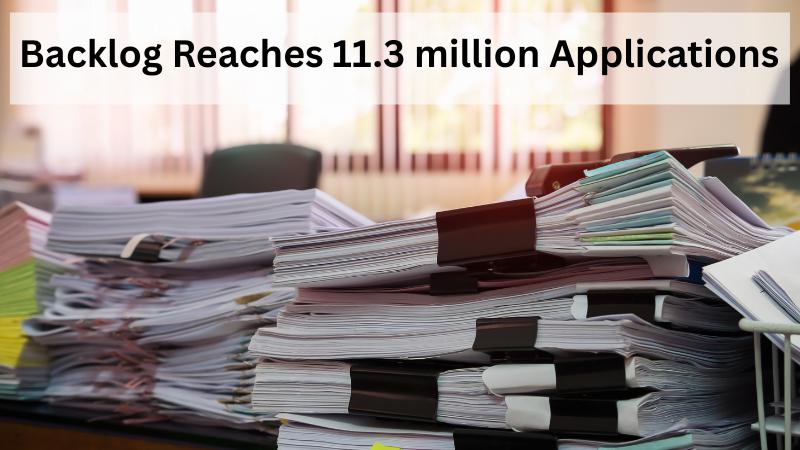
The United States Citizenship and Immigration Services (USCIS) is currently facing one of the largest processing backlogs in its history, with pending immigration cases surging to a record 11.3 million. This growing crisis in the federal immigration system is being attributed to a mix of outdated processing models, staffing shortages, and a shift in federal policy approaches over recent years.
Immigration attorneys and experts say that the seeds of the current situation were sown during the previous administration, where heightened scrutiny and anti-fraud measures slowed down the rate at which immigration petitions were reviewed and approved. Although intended to ensure the legitimacy of applications, these measures have severely burdened an already stretched system.
From January to March of this year, USCIS data revealed a rising trend in the backlog across nearly all categories of immigration forms. Form I-90, used by green card holders to replace their permanent resident cards, and Form I-765, used to apply for employment authorization, are among the most delayed categories. Applicants are now facing waiting periods that extend well beyond previous norms—ranging from several months to even years depending on the service center and category.
One of the key contributors to this worsening situation is the suspension of the Streamlined Case Processing (SCP) program, a tool that once allowed for certain low-risk cases to be approved without officer-level review. While this automation sped up the system significantly, the program was paused to facilitate more comprehensive vetting of applications. No official timeline has been announced for its reinstatement, leaving applicants without clarity on when processing speeds might improve.
Despite these challenges, some categories have shown minor signs of relief. The backlog for Form I-131, the application for advance parole, has reduced by nearly 60,000 cases in the current fiscal year. However, more than 260,000 such cases remain pending, reflecting the broader pressure on the system.
Legal experts point to systemic issues rather than just technical delays. USCIS operates primarily on fees collected from applicants, and it does not receive regular congressional funding. This funding model leaves the agency vulnerable to processing slowdowns whenever application volumes fluctuate or policy changes create new administrative burdens. Persistent staffing shortages further limit the agency’s ability to keep up with demand.
Some immigration professionals argue that the existing backlog is not only a byproduct of processing inefficiencies but also a reflection of deliberate policy choices. According to some former Department of Homeland Security officials, these choices reflect a shift toward tighter control over the immigration flow and increased manual scrutiny of applications, even in cases where automation might have sufficed.
This situation has real-world consequences for millions of immigrants, families, and employers across the United States. Delays in employment authorization affect job security and income for foreign workers, while green card delays disrupt families and hinder long-term settlement plans. Students, business investors, and skilled professionals are all affected by a system that no longer guarantees timely decisions.
In addition to individual hardships, there are broader economic implications. Many industries rely on immigrant labor and talent, especially in healthcare, technology, and agriculture. As processing delays persist, businesses are finding it harder to hire foreign talent or retain existing employees with pending immigration status.
The backlog issue is also politically sensitive. Advocates are calling on Congress to reform USCIS’s funding model and provide emergency resources to ease the pressure. Meanwhile, policy discussions continue around the need for a balance between security, fraud prevention, and timely service delivery.
Unless significant interventions are made—either through increased staffing, reintroduction of streamlined processing programs, or policy shifts—the agency’s ability to function as a fair and efficient service provider will continue to erode. Immigration attorneys warn that by the end of the decade, the notion of a functioning legal immigration system may become obsolete if current trends continue unchecked.
As the debate continues, immigrants across the country are left waiting. For some, it’s a delay in work permits. For others, it's the hope of reuniting with family or building a future in a country they call home. The current backlog isn’t just a statistical problem; it’s a reflection of the lives held in administrative limbo, each day compounded by uncertainty and frustration.