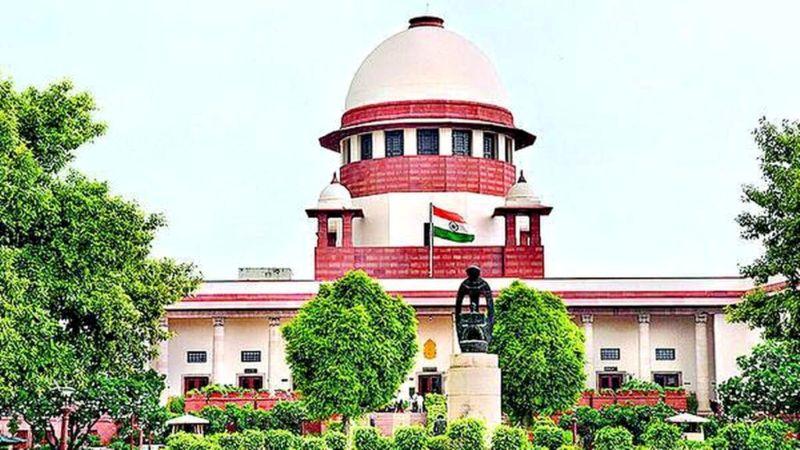
In a notable alimony case heard by the Supreme Court of India, Chief Justice of India (CJI) BR Gavai expressed strong criticism of a woman’s demand for Rs 12 crore in alimony, along with a BMW car. The woman, who had been married for just 18 months, was seeking an extravagant sum for her maintenance, despite being well-educated with qualifications including an MBA and experience as an IT expert.
During the hearing, CJI Gavai questioned the scalability of her demands, pointing out the excessiveness of asking for such a large amount, especially considering the short duration of the marriage. "Your marriage lasted only 18 months, and now you want a BMW too? One crore every month?" he remarked, questioning the appropriateness of her claim given her education and qualifications. The Chief Justice further emphasized that an educated woman should not depend on her husband for maintenance and should be capable of earning for herself. "Aap itni padi likhi hai. Aapko khudko mangna nahi chahiye aur khudko kama ke khana chahiye," (You are so educated. You should earn for yourself and shouldn’t ask for it) he added.
The case involved a dispute over alimony after the woman’s separation from her husband, who is financially well-off, earning around Rs 2.5 crore annually. The husband had filed for annulment, claiming that she suffers from schizophrenia, an accusation that the woman vehemently denied. She argued that her husband’s actions had led to her job loss, and she also accused him of filing a false FIR against her.
However, Senior Advocate Madhavi Divan, representing the husband, argued that the demand for such a large sum was unreasonable and that the woman already resided in a Mumbai flat with two parking spots, which she could potentially monetize. She pointed out that the BMW the woman was requesting was a discontinued model, further undermining her claims.
CJI Gavai directed both parties to submit complete financial documents and stressed that the woman could not claim rights over her husband’s father’s property. The bench also emphasized the possibility of resolving the matter without the need for further criminal proceedings.
In a bid to settle the case, the Supreme Court offered the woman two options: she could either accept a burden-free flat or a sum of Rs 4 crore and seek employment in IT hubs such as Pune, Hyderabad, or Bengaluru, where opportunities abound in the tech sector. The court highlighted that there is demand for IT professionals in these cities, implying that she could support herself through employment.
The alimony case not only reflects the intricacies of divorce settlements in India but also raises broader questions about the extent of financial support one is entitled to after a short marriage, especially when the individual has the means to support themselves. As the case continues, the Supreme Court is expected to deliver its ruling, which could set a precedent for similar cases in the future.
In addition to the alimony dispute, the husband’s appeal against the Bombay High Court’s order is focused on the wife's decision to withdraw consent for the Second Motion of their mutual consent divorce, seeking a more lucrative financial settlement. This ongoing legal battle underscores the complex dynamics of divorce law and alimony in India.