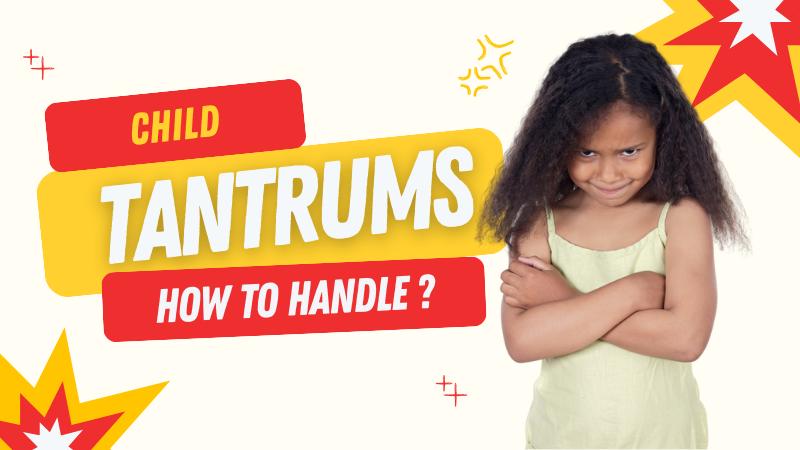
Every parent has faced the challenge of a child’s tantrum—whether it’s in the middle of a grocery store, at bedtime, or when saying no to extra screen time. While tantrums can feel overwhelming, they are a normal part of child development. Understanding the psychology behind tantrums can help parents respond with patience and guide children through these emotional outbursts in a healthy way.
Why Do Tantrums Happen?
Tantrums usually occur when young children feel overwhelmed, frustrated, or unable to express their emotions with words. Since toddlers and preschoolers are still developing self-regulation skills, crying, screaming, or stomping becomes their way of releasing strong feelings.
Developmental Factors at Play
Between ages 1 and 4, children are learning independence but lack the emotional maturity to manage disappointment. Tantrums are a natural part of this stage. As language skills improve and children learn to express themselves, tantrums tend to decrease in frequency.
Emotional Triggers for Tantrums
Common triggers include hunger, fatigue, overstimulation, or transitions such as leaving a playground. Children may also throw tantrums when they feel a lack of control or when their needs are not met immediately. Recognizing these triggers helps parents anticipate and prevent meltdowns.
How Parents Can Respond Calmly
Staying calm during a tantrum is key. Yelling or punishing often escalates the situation, while empathy and reassurance help children feel understood. Simple steps like getting down to their level, acknowledging their feelings, and offering comfort can reduce the intensity of the outburst.
Teaching Emotional Regulation Over Time
Tantrums offer an opportunity to teach children about emotions. Once calm, parents can guide kids to name their feelings—like “sad,” “angry,” or “frustrated.” Over time, this builds emotional intelligence and coping skills. Consistent routines, positive reinforcement, and setting clear boundaries also help reduce tantrums.
When to Seek Extra Help
Most tantrums are a normal part of development, but if they become very frequent, intense, or continue past age five, parents may want to consult a pediatrician or child psychologist. This ensures there are no underlying behavioral or developmental concerns.
Turning Tantrums Into Teachable Moments
Tantrums may feel exhausting, but they are not signs of bad behavior. Instead, they are a child’s way of communicating emotions they cannot yet manage. By staying calm, understanding the triggers, and guiding children toward healthier ways of expressing themselves, parents can turn these challenging moments into valuable lessons in emotional growth.