Former US president Joe Biden has embarked upon a new stage in his medical care after a diagnosis of aggressive prostate cancer earlier this year, his spokesperson confirmed on Saturday. The spokesman said that, in conjunction with an existing hormone regimen, Biden is now receiving a course of radiation therapy as part of a broader treatment plan for his prostate cancer.
According to the spokesperson, the radiation phase is scheduled to continue for five weeks, marking a significant milestone in the former president’s ongoing treatment. Until now, Biden has been taking hormone medication in oral form, a standard portion of therapy for prostate cancer aimed at suppressing the body’s production of testosterone, which can fuel tumor growth.
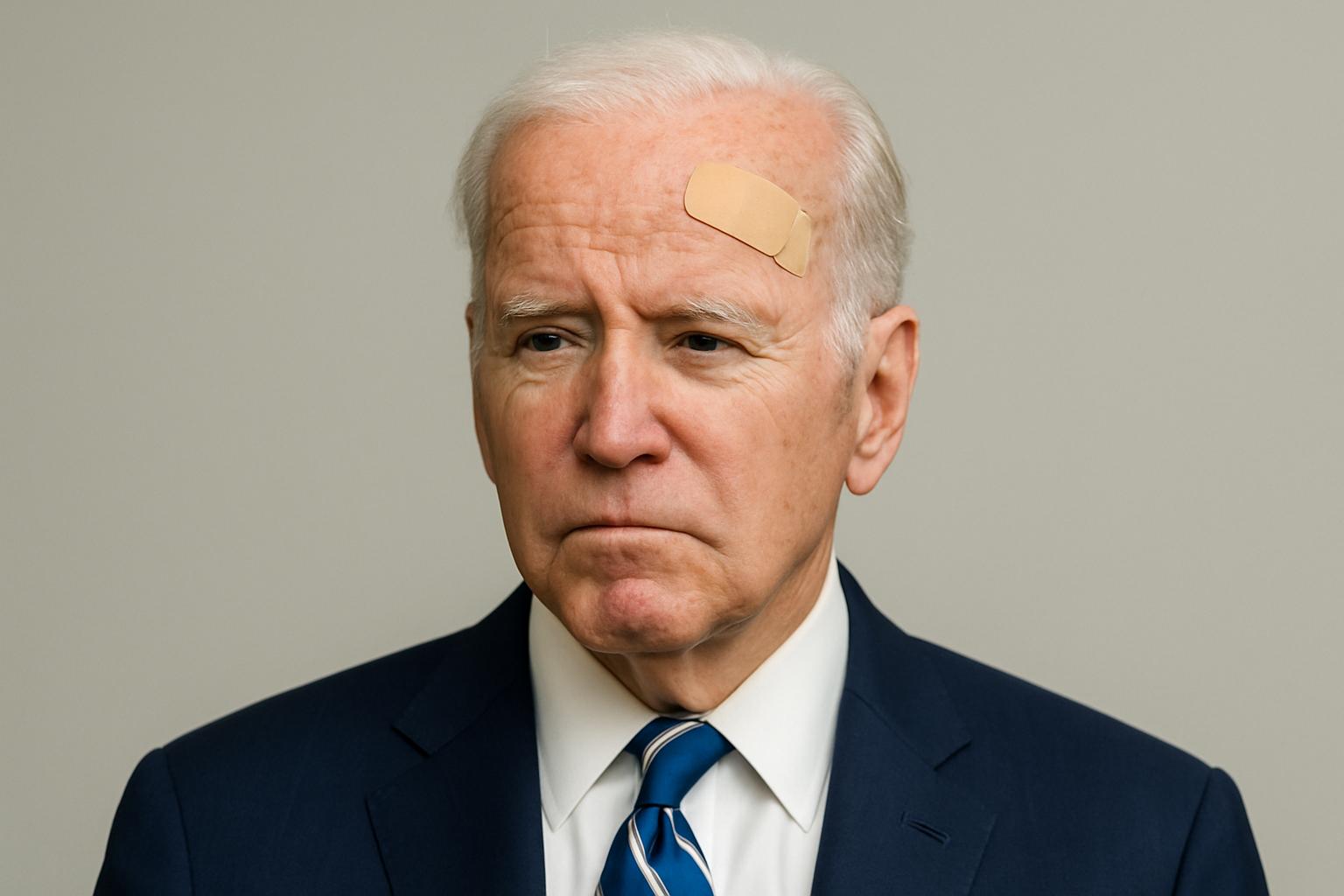
In addition to the prostate cancer treatment, Biden recently underwent Mohs surgery to treat a skin cancer lesion on his forehead. Following the procedure, a large bandage was visible in his public appearances. Mohs surgery involves the removal of thin layers of skin until no traces of cancer remain, a technique commonly used for certain types of skin tumors.
This is not the first time the former president has faced skin cancer. In 2023, he had a cancerous lesion removed from his chest during a routine health screening. Over the years, he has undergone treatment for several non-melanoma skin cancers, both before and during his presidency.
The prostate cancer diagnosis, announced in May, was of a notably aggressive variety and already showed evidence of bone metastasis at the time of detection. His office disclosed that various treatment options had been under consideration, emphasizing the goal of “effective management” of the disease. The new radiation and hormone therapy regimen represents a coordinated strategy to combat the cancer systemically while targeting localized sites.
Biden, who will turn 83 next month, is reported to be “doing well” amid the more intensive treatment. Since leaving the White House in January, he has largely reduced his public engagements, focusing instead on his private health matters and family commitments.
On social media following his diagnosis, Biden reflected on the personal and universal dimensions of battling cancer. “Cancer touches us all,” he wrote. “Like so many of you, Jill and I have learned that we are strongest in the broken places.” The sentiment resonates with many who face health battles and underscores the emotional as well as medical journey of confronting serious illness.
Throughout his life and political career, Biden and his wife, Jill, have been vocal advocates for cancer research and awareness. Their commitment is deeply personal: their eldest son, Beau Biden, passed away in 2015 after a struggle with brain cancer. That loss has informed their advocacy and public statements about the urgency of medical progress in oncology and patient support.
Details such as Biden’s precise radiation schedule, dosage, and treatment side-effect monitoring remain with his medical team, and the spokesperson did not elaborate on those points. In the days and weeks ahead, the former president’s care will follow regular assessments to gauge his responses to therapy, adapt protocols if needed, and manage any complications or side effects that can accompany cancer treatment.
The start of this new phase underscores the seriousness of his prognosis while reflecting a disciplined, multi-modal approach to treatment. As Biden navigates this chapter of his health, public interest and scrutiny will inevitably accompany each update. For now, the focus remains on medical oversight, patient comfort, and the commitment to halt the disease’s progression through coordinated therapeutic intervention.