The airstrikes mark a significant escalation in tensions with Iran, drawing sharp reactions both globally and domestically. While officials maintain that the operation was based on intelligence indicating imminent danger, critics argue that it could provoke further instability in the Middle East and undermine diplomatic efforts to contain nuclear proliferation peacefully.
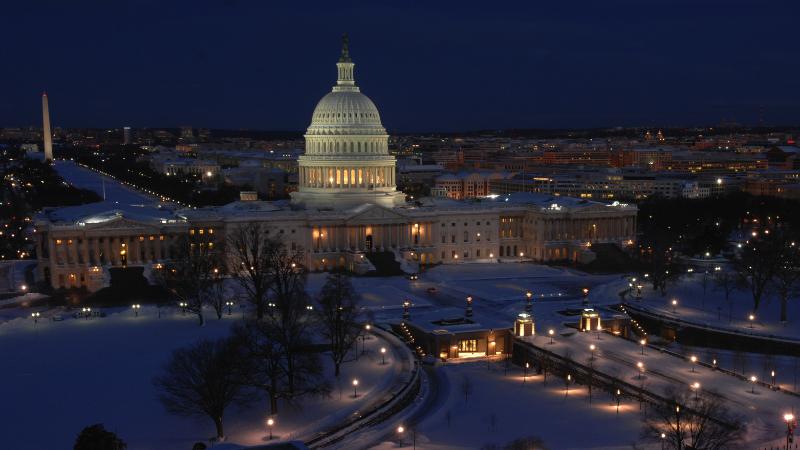
In Washington DC, the psychological impact of the strikes is already being felt. Residents are expressing growing unease, particularly in areas with high population density or symbolic significance. Joe Govea, who recently moved to the District, expressed his fears, saying that big cities now feel like potential targets. “It’s dangerous to be in big cities like this. I had that feeling last night of unsafe, and I haven’t felt it in a long time,” he said.
Business owners in the city are also voicing concern. One longtime shopkeeper in the Dupont neighborhood said the current atmosphere reminds them of more dangerous times. “It's honestly just scary. I hope we don’t get any more attacks like we used to,” the owner said, reflecting the shared anxiety of many who live and work in the nation’s capital.
In response to the airstrikes, city officials have moved quickly to reassure residents by increasing law enforcement presence across Washington. A particular focus has been placed on religious institutions and places of cultural significance, where concerns over symbolic attacks are greatest. Authorities have stated there are no credible threats at this time, but they have urged the public to stay alert and report any suspicious activity.
This heightened security posture is not only a precaution but a reflection of real community fear. Residents like Brett Laquercia admit to reevaluating their routines. “I wouldn’t go to places that are Jewish or cultural right now. I’d think twice about it, I’m concerned really, and I’ve never been that way,” he said. The statement captures the shift in perception that many in the District are now experiencing.
While the strikes have stirred domestic anxiety, they also raise questions on a global scale. Experts warn that military action could derail decades of international progress toward nuclear diplomacy. The decision to strike has already drawn widespread commentary about the potential for escalation, with many urging caution in the days ahead.
Security professionals and policy analysts have emphasized the importance of community vigilance. One expert on urban warfare noted that, while law enforcement has been effective in identifying and intercepting threats, individual awareness remains essential. “We do have to stay alert,” he said, echoing the advice that has long been central to public safety campaigns.
The city's leadership has also issued statements reinforcing that there is no current threat to public safety in DC, while encouraging residents to go about their lives but remain observant. Messages to the public stress the familiar yet crucial guidance: if you see something, say something.
As uncertainty looms, residents of Washington are adjusting to the reality that global conflicts can have direct local consequences. While the city is no stranger to high security and international tension, the latest developments serve as a stark reminder of the capital's vulnerability during moments of geopolitical strain.
The situation continues to evolve, and residents are watching closely to see what the next moves will be. Whether the airstrikes will deter further aggression or ignite new retaliation remains unknown. In the meantime, Washington DC remains on edge, bracing for what may come next while hoping that peace, not escalation, prevails.