WASHINGTON – As his role in the federal government’s cost-cutting task force nears completion, billionaire entrepreneur Elon Musk has taken on a new challenge. Under direct instructions from U.S. President Donald Trump, Musk’s Department of Government Efficiency (DOGE) has been tasked with building the digital backbone for the new “Gold Card” visa—a fast-tracked path to U.S. residency for the world’s wealthiest immigrants. According to The New York Times, Musk’s DOGE team is actively developing a dedicated website and application system for the special immigration program, which will grant U.S. permanent residency to qualifying foreign nationals willing to pay $5 million. The initiative is intended to replace the existing EB-5 visa program and aims to expedite the immigration process for high-net-worth individuals while raising substantial revenue for the federal government.
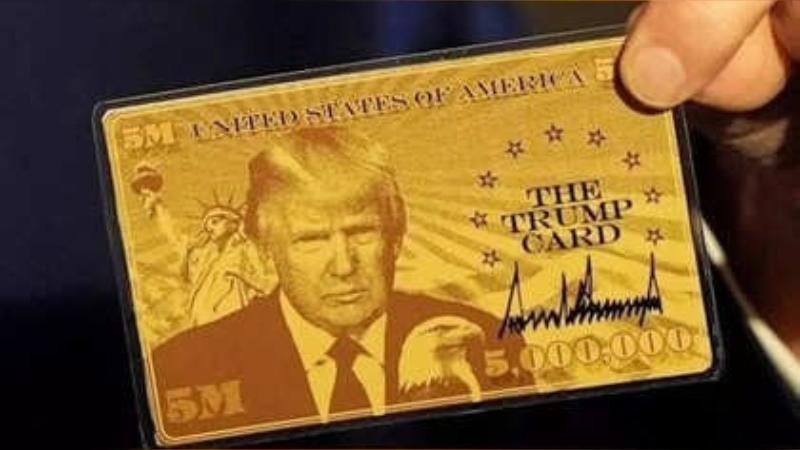
The Gold Card project is a flagship initiative under Trump’s push to rebrand and reimagine U.S. immigration policy. Announced in late February, the program targets “very high-level people,” with minimal initial detail shared about eligibility or implementation. However, the President did present a physical version of the laminated gold card to the media, featuring his portrait, the Statue of Liberty, and a bald eagle. Trump confidently stated that the card would roll out in "less than two weeks."
Development Team, Policy Implications, and Timeline
The development of the Gold Card application system is being spearheaded by DOGE engineers Marko Elez and Edward Coristine. Elez made headlines earlier this year after a report linked him to an anonymous account on X (formerly Twitter) that had shared controversial views on immigration. Coristine, 19, also faced scrutiny after being dismissed from a tech internship in 2022 over allegations of leaking proprietary information. Despite their backgrounds, both individuals are now working closely with officials from the State Department, the Department of Homeland Security, and U.S. Citizenship and Immigration Services to understand how existing immigration frameworks can be streamlined.
According to sources, the DOGE team is developing a system that can bypass the lengthy traditional visa processing periods. Current immigration timelines, especially for investor-based visas like EB-5, often span years due to intensive interviews and background checks. The Gold Card aims to deliver residency approvals within just two weeks for applicants who clear an accelerated vetting process. This effort marks a sharp pivot from traditional immigration policy, focusing not on merit or humanitarian need, but purely on wealth and perceived societal value. Trump’s team has justified the shift by highlighting the revenue potential and economic benefit of attracting global elites. The EB-5 program brought in approximately $4 billion in 2023 by offering green cards in exchange for investments of $800,000 to $1.05 million and the creation of at least 10 jobs for American workers.
By contrast, the Gold Card raises the price of entry to $5 million without specifying job creation requirements. President Trump has promoted it as a cleaner, more exclusive route to American residency, one that will appeal to the ultra-rich and benefit the nation financially. Commerce Secretary Howard Lutnick recently claimed during a podcast appearance that he had already sold 1,000 Gold Cards, although he did not present evidence of transactions or clarify the program’s citizenship pathway. “If you have a gold card—which used to be a green card—you’re a permanent resident of America,” Lutnick said. “They pay $5 million, and they have the right to be an American and the right to be in America as long as they're good people and they're vetted and they can't break the law.”
Lutnick also confirmed that Musk’s team is in charge of building the program’s technology infrastructure, reiterating that the portal would be unveiled “within a week and a half,” updating the initial two-week promise. While critics have yet to formally respond, the plan is likely to draw sharp commentary from immigration policy experts and advocacy groups concerned with the ethics of monetizing U.S. residency. Questions also remain regarding how the vetting process will be altered or streamlined, and how transparency and fairness will be maintained in a high-stakes program where enormous sums of money are involved. In the meantime, all eyes are on the upcoming launch. If delivered on schedule, the Gold Card visa system could become one of the most high-profile and controversial elements of Trump's evolving immigration agenda—an initiative that blends wealth-based privilege, tech-backed efficiency, and populist branding into a new kind of American dream for the global elite.