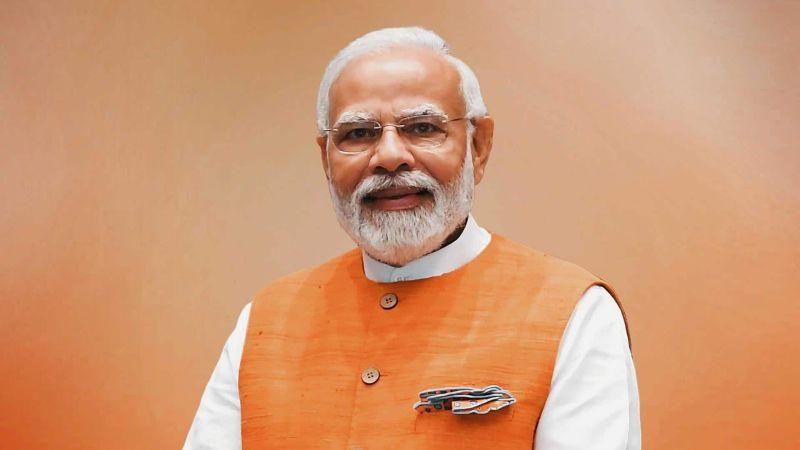
In a landmark ruling, the Delhi High Court on August 25, 2025, overturned the Central Information Commission’s (CIC) 2016 order and ruled that Delhi University is not required to disclose the details of Prime Minister Narendra Modi’s 1978 graduation degree. The court stated that the information sought is personal and falls under privacy rights, adding that it holds no overriding public interest.
Justice Sachin Datta clarified that academic records, even for public figures, are considered personal information. The court emphasized that despite Modi being a prominent political leader, there was no statutory requirement or public necessity to disclose his educational details under the Right to Information (RTI) Act.
The RTI application sought information about PM Modi's graduation degree, which he completed at Delhi University in 1978. The CIC had earlier allowed the inspection of records of all students who passed the BA exam in that year, but this decision was contested by the university. During hearings, Solicitor General Tushar Mehta, representing the university, argued that privacy rights should supersede public curiosity.
The High Court also observed that universities are obligated to issue results through official transcripts to the students, and not to third parties under RTI requests. Delhi University further stressed that personal information such as marks and grades are not meant to be disclosed publicly unless there is a larger public interest involved.
Political Background: PM Modi’s educational qualifications have been a subject of controversy, with opposition parties questioning the authenticity of his degrees. However, the BJP has produced copies of the degrees, and the universities involved have publicly affirmed their validity. Despite these assurances, legal challenges have continued. The ruling marks a significant development in the ongoing debate about privacy rights, public figures, and the scope of RTI in India. While the university can present PM Modi’s degree records in court, they cannot disclose them for public scrutiny.