Heatwave raises health concerns across Europe
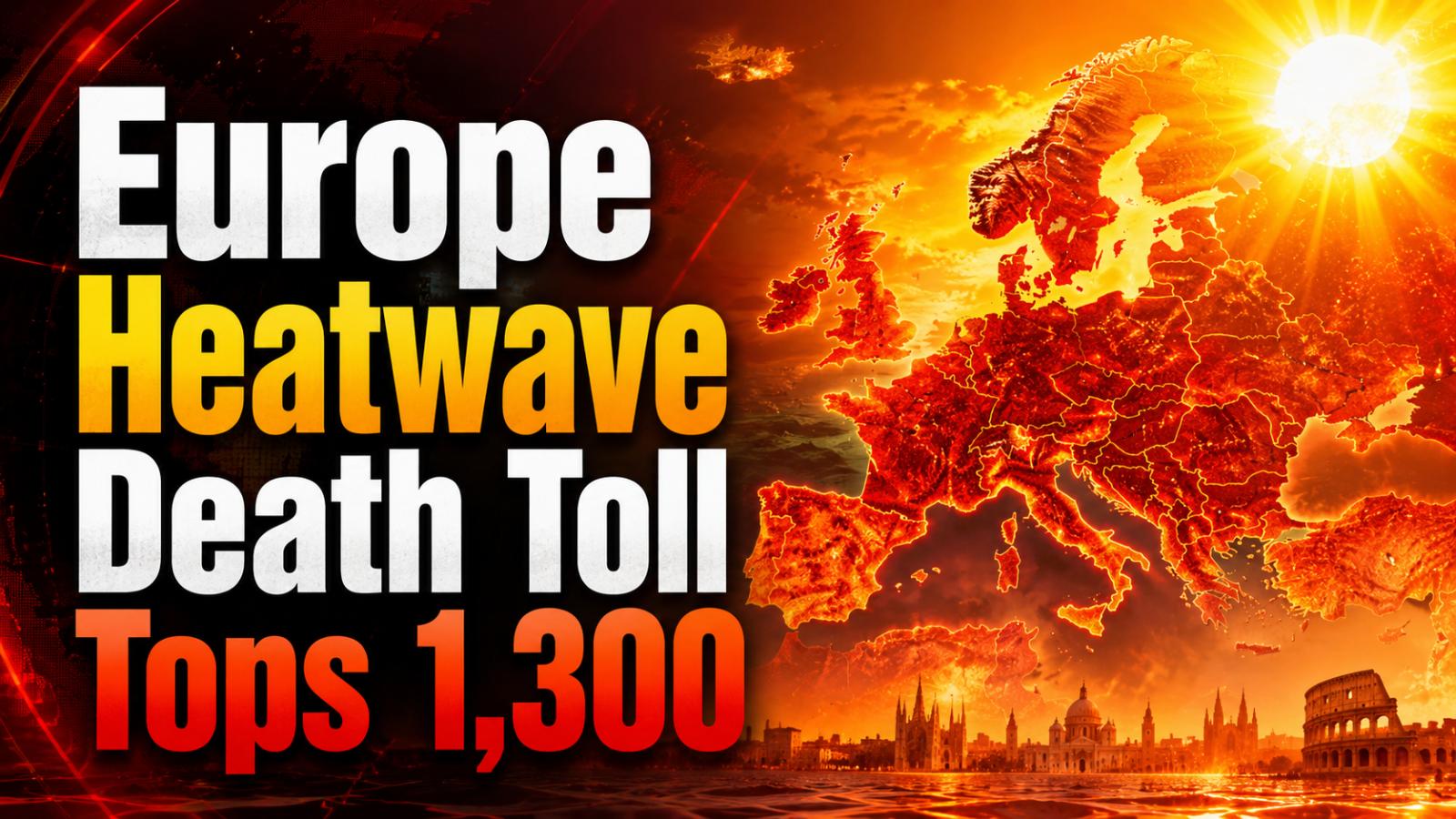
More than 1,300 excess deaths have been recorded in Europe since June 21 as a severe heatwave continues to affect large parts of the continent, according to the World Health Organization. The warning came as millions of people faced another weekend of extreme temperatures, with the intense weather system gradually moving eastward and placing growing pressure on public health services.
WHO chief Tedros Adhanom Ghebreyesus said high temperatures had been linked to the reported excess deaths and described heat stress as a “silent killer.” He noted that many European homes, workplaces and schools were not designed for such conditions, increasing the risk for older adults, people with existing health problems and those without access to cooling. The agency said it is working with member states and partners to improve preparedness, prevention and stronger health system responses.
Countries report rising pressure
France has reported more than 1,000 deaths above expected levels since Wednesday, as health officials warned that services in some areas were under strain. Several countries have also reported increased heat-related health concerns, with hospitals and emergency responders preparing for continued demand as temperatures remain high.
Germany, the Czech Republic, Hungary and Poland are among the countries facing some of the most severe conditions. In Doksany, north of Prague, the temperature reached 41.1 degrees Celsius on Sunday, marking another major heat record in the Czech Republic. The national meteorological institute said it was the first time an official station in its network had recorded 41 degrees Celsius, while also warning that temperatures were still rising.
The heatwave has affected a broad section of the continent, with an analysis estimating that about 381 million people in Europe, excluding Turkey, could experience temperatures above 30 degrees Celsius. Public health authorities have urged residents to stay hydrated, avoid unnecessary outdoor activity during peak heat, check on vulnerable people and follow local advisories.
The latest warnings underline the growing health threat posed by extreme summer heat in Europe. While official death counts may take time to confirm, excess mortality figures are being closely monitored because they can reflect the wider impact of heat on communities, hospitals and emergency systems.
More than 1,300 excess deaths have been recorded in Europe since June 21 as a severe heatwave continues to affect large parts of the continent, according to the World Health Organization. The warning came as millions of people faced another weekend of extreme temperatures, with the intense weather system gradually moving eastward and placing growing pressure on public health services.
WHO chief Tedros Adhanom Ghebreyesus said high temperatures had been linked to the reported excess deaths and described heat stress as a “silent killer.” He noted that many European homes, workplaces and schools were not designed for such conditions, increasing the risk for older adults, people with existing health problems and those without access to cooling. The agency said it is working with member states and partners to improve preparedness, prevention and stronger health system responses.
Countries report rising pressure
France has reported more than 1,000 deaths above expected levels since Wednesday, as health officials warned that services in some areas were under strain. Several countries have also reported increased heat-related health concerns, with hospitals and emergency responders preparing for continued demand as temperatures remain high.
Germany, the Czech Republic, Hungary and Poland are among the countries facing some of the most severe conditions. In Doksany, north of Prague, the temperature reached 41.1 degrees Celsius on Sunday, marking another major heat record in the Czech Republic. The national meteorological institute said it was the first time an official station in its network had recorded 41 degrees Celsius, while also warning that temperatures were still rising.
The heatwave has affected a broad section of the continent, with an analysis estimating that about 381 million people in Europe, excluding Turkey, could experience temperatures above 30 degrees Celsius. Public health authorities have urged residents to stay hydrated, avoid unnecessary outdoor activity during peak heat, check on vulnerable people and follow local advisories.
The latest warnings underline the growing health threat posed by extreme summer heat in Europe. While official death counts may take time to confirm, excess mortality figures are being closely monitored because they can reflect the wider impact of heat on communities, hospitals and emergency systems.