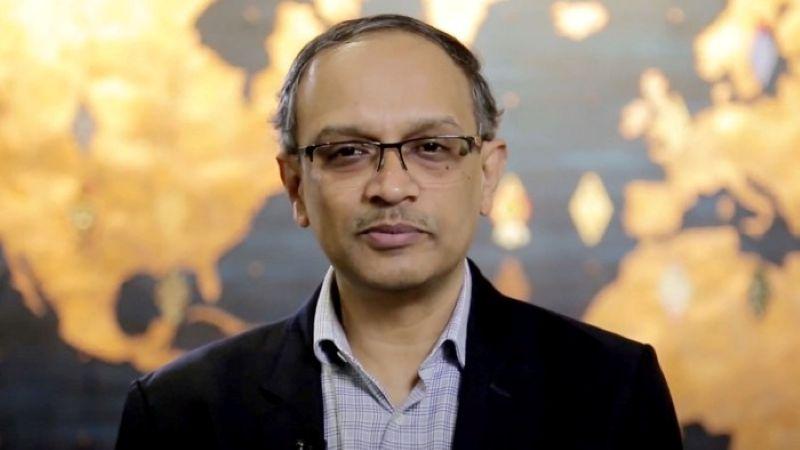
More than 7.2 million Americans are now living with Alzheimer’s disease, according to the Alzheimer’s Association’s 2025 Facts and Figures report released Tuesday. Of those, over 459,000 live in Texas, placing the state among the hardest hit by this debilitating illness. The new data underscores not only the growing burden of Alzheimer’s, but also the unrecognized labor and emotional toll carried by over 1 million unpaid caregivers in Texas alone. The disease, which causes progressive memory loss and cognitive decline, claimed more than 10,000 lives in Texas in the past year, reflecting the growing urgency for better support, earlier diagnosis, and advanced treatment options.
The Caregiver Crisis
"These are Texas residents who are unpaid family caregivers, and what we're trying to do is promote and educate as much as we can for those. It’s almost as if they’re unsung heroes," said Tracy Denton, regional VP and executive director for the Alzheimer’s Association Dallas and Northeast Texas chapter. The reality for these caregivers is intense. They are navigating complex medical, emotional, and financial challenges with little support. Many balance full-time jobs and families while providing daily care to loved ones with little to no formal training or compensation.
The Future of Early Diagnosis
Encouragingly, public support for early diagnosis is strong. 79% of surveyed Americans said they would want to know if they had Alzheimer’s before symptoms appeared. Moreover, about 90% would take a blood test if it were available, signaling a societal shift toward proactive health management. "We’ve got blood tests that are getting better and better at telling you who does not need a scan," said Dr. Sid O’Bryant, who leads national Alzheimer’s research at UNT Health Science Center, Fort Worth. He expects that primary care physicians may soon use routine blood tests to screen for Alzheimer’s, potentially removing the need for expensive and invasive imaging for many patients. Dr. O’Bryant also emphasized that early detection will be critical in making new drugs more effective. “We can’t even advance the science without people getting involved,” he said, adding that public willingness is the key to developing future treatments with better outcomes.
At the UNT research lab, technology is advancing rapidly. Their multimillion-dollar robotic system is capable of processing 3.9 million blood samples annually, compared to 486,000 manually—a quantum leap in efficiency that could accelerate the timeline for diagnostic results and research findings. This progress provides hope to families grappling with uncertainty and loss. It also signals that Alzheimer’s is no longer just a medical issue—it’s a public health emergency demanding broader awareness, increased funding, and community participation.
Roughly 92% of respondents said they would be willing to take medications to slow Alzheimer’s progression, even if those drugs carried moderate to high risks. This overwhelming support reflects a population ready to confront the disease head-on, armed with science, awareness, and determination. As Tracy Denton summed it up, “Greater awareness of the insidious disease is increasing the desire to have every chance against it.” With rising cases, evolving tools for diagnosis, and a strong will among Americans to fight Alzheimer’s, the coming years may mark a turning point in how we tackle this slow-moving but devastating crisis.