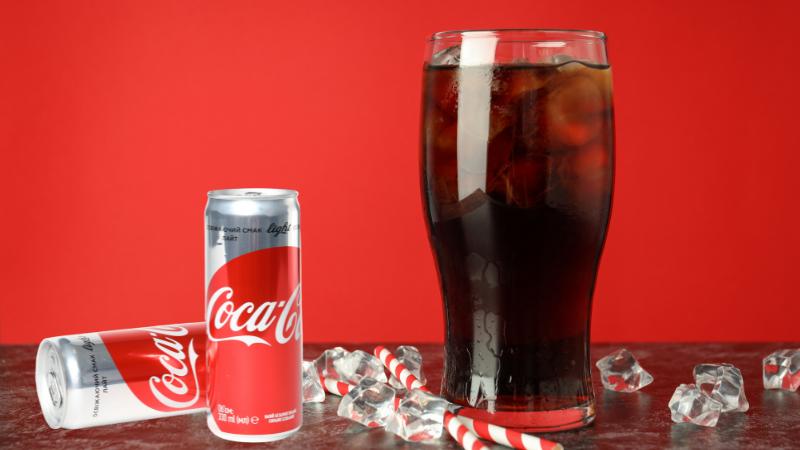
In a move that has sparked interest across both health circles and the beverage industry, former United States President Donald Trump announced that Coca-Cola will begin using real cane sugar in its soft drink products distributed in the U.S., phasing out the long-standing use of high-fructose corn syrup (HFCS). This revelation came through a post on his social media platform where he claimed that his direct talks with the soda giant led to this significant shift in ingredients, marking what could be a major transformation in one of America's most iconic beverage recipes.
Trump expressed optimism and personal satisfaction over the decision, stating that real cane sugar not only aligns with consumer preferences but also promotes better health outcomes. “I have been speaking to Coca-Cola about using REAL Cane Sugar in Coke in the United States, and they have agreed to do so,” he posted. “I’d like to thank all of those in authority at Coca-Cola. This will be a very good move by them — You’ll see. It’s just better!” While Coca-Cola did not release a full confirmation or detailed timeline regarding the transition, a company spokesperson acknowledged the president's announcement and hinted at upcoming innovations in their product line.
Although the precise rollout plan remains under wraps, the implications of such a change could be far-reaching. High-fructose corn syrup has been the default sweetener in American soda production since the mid-1980s, favored for its low cost and ease of manufacturing. However, it has long faced criticism for its potential role in obesity, diabetes, and other health concerns. Real cane sugar, by contrast, is often viewed by consumers as a more natural and potentially healthier alternative, despite offering similar caloric values. Outside of the United States, Coca-Cola in countries like Mexico has continued to use cane sugar, and those versions are often sought after in U.S. niche markets for their taste and perceived authenticity.
The beverage industry is no stranger to reformulation. Over the past decade, increasing public awareness around sugar consumption and artificial ingredients has pushed companies to adjust their recipes and marketing strategies. While some smaller beverage brands have already adopted cane sugar or other natural sweeteners, a shift of this magnitude by Coca-Cola could reshape industry standards and create pressure on other soda manufacturers to follow suit.
Still, several questions remain. Will this change apply only to Coca-Cola Classic or will it extend to other beverages under its umbrella, such as Diet Coke, Fanta, or Sprite? How quickly will the switch be implemented across production lines and retailers? And importantly, will the cost of using cane sugar be passed on to consumers in the form of higher prices? The answers to these will likely determine how the public reacts in the long run.
From a political standpoint, Trump’s involvement adds a unique twist to the narrative. His engagement with a multinational corporation over a soft drink recipe speaks to his populist image and ability to tap into American nostalgia, especially as many have long expressed a preference for “Mexican Coke,” which uses cane sugar. This move, though largely symbolic, could resonate with both health-conscious voters and those seeking a return to what they see as better-quality consumer products.
Whether this marks a permanent shift in Coca-Cola’s U.S. formula or a limited-edition reintroduction remains to be seen. However, the announcement has certainly stirred national conversation around food quality, consumer choice, and corporate responsibility in health-related matters. As more details emerge in the coming weeks, all eyes will be on Coca-Cola to see how it navigates both public expectations and logistical challenges tied to such a fundamental ingredient change.