Buying your first car is an exciting experience but can also be overwhelming. With so many choices and factors to consider, it's easy to feel lost. Whether you're eyeing a brand-new model or considering a used car, it's essential to approach the process with knowledge and confidence. In this guide, we’ll walk you through the top 10 car buying tips for first-time buyers, ensuring you make a smart, informed decision.
1. Set a Realistic Budget
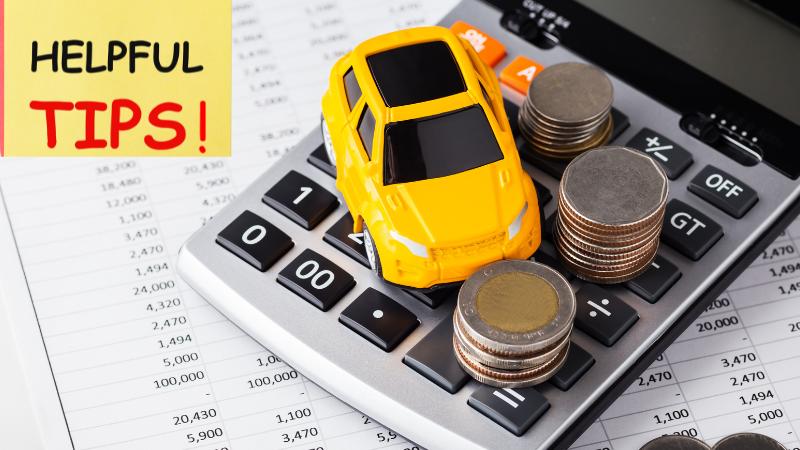
The first step in buying your first car is setting a clear budget. Factor in the full cost of ownership—this includes the car's price, insurance, registration, taxes, and maintenance. Use an online car loan calculator to determine a comfortable monthly payment based on your income.
2. Research Models and Prices
Before visiting a dealership, do thorough research on different car models. Whether you’re considering a sedan, SUV, or truck, make sure you know the price range, features, and safety ratings. Websites like Kelley Blue Book and Edmunds provide valuable information on vehicle reliability, pricing, and reviews.
3. Decide Between New or Used
A key decision is whether to buy new or used. New cars are pricier but come with warranties and the latest features. Used cars, on the other hand, are more affordable but might require more maintenance. Review the pros and cons and choose what fits your budget and needs.
4. Get Pre-Approved Financing
One of the best ways to streamline your car buying process is by getting pre-approved for financing. This not only helps you stay within your budget but also puts you in a stronger negotiating position at the dealership. Compare rates from various lenders and consider both short-term and long-term loan options.
5. Check the Vehicle History (for Used Cars)
If you’re buying a used car, always ask for a detailed vehicle history report. Services like Carfax or AutoCheck provide information on accidents, repairs, and previous ownership. This step is crucial in avoiding cars with hidden problems.
6. Take a Test Drive
Never buy a car without taking it for a test drive. This gives you a feel for the car's performance, comfort, and handling. Pay attention to the driving experience, such as noise levels, steering ease, and visibility. If possible, drive on different types of roads to assess its handling in various conditions.
7. Have the Car Inspected (for Used Cars)
For used cars, it’s wise to have a trusted mechanic inspect the car before finalizing the purchase. An inspection can uncover any mechanical issues, saving you from costly repairs later.
8. Negotiate the Price
Don't be afraid to negotiate! Car dealers expect it, and you might be able to get a better price or additional perks like free maintenance or extended warranties. Research the car's market value to help guide your negotiations.
9. Review the Contract Carefully
Before signing any paperwork, thoroughly review the contract, including financing terms, warranties, and return policies. Ensure there are no hidden fees and that the terms match what you agreed upon.
10. Final Check: Does it Suit Your Needs?
Finally, ensure that the car you choose meets your personal and family needs. Is it fuel-efficient? Does it have enough space for your lifestyle? Does it offer the features you need, such as Bluetooth connectivity, safety features, and storage capacity? Take your time to assess if it's the right fit for your long-term use.
🔖 Explore More
Car loan buying guide for first-time buyers
Seasonal Car Promotions You Can’t Miss This Year: Top Deals & Offers
12 essential documents to carry when buying a car
For Maintenance and Services - Explore Automotive