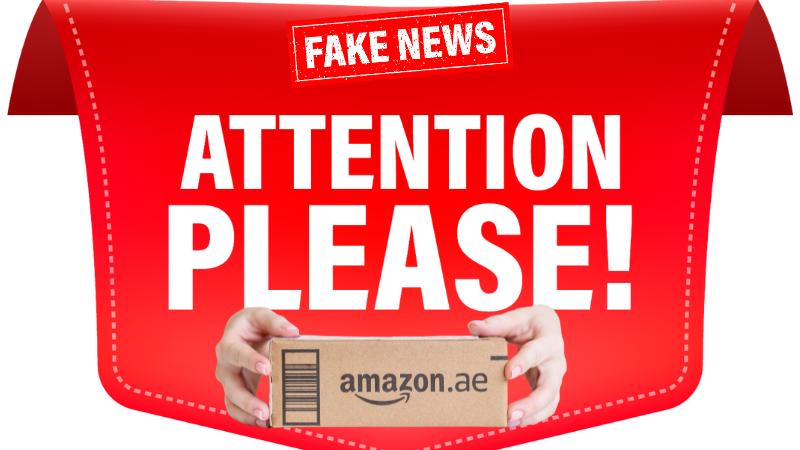
The Federal Trade Commission has issued a strong warning to consumers about a new scam involving fake text messages that appear to come from Amazon. According to officials, many individuals have reported receiving texts that claim an item they purchased has been recalled. These messages include a link promising a full refund, but the FTC has clarified that these messages are fraudulent and designed to steal money or personal information from unsuspecting victims.
Scammers are becoming increasingly sophisticated, and this latest scheme is a clear example of how they exploit trusted brand names to deceive people. The fraudulent texts are crafted to look legitimate, often using Amazon’s name and sometimes even mimicking the company’s official communication style. The included links lead to malicious websites where scammers attempt to collect sensitive details such as credit card numbers, login credentials, or other personal information. Once obtained, this information can be used to commit financial fraud or identity theft.
The FTC emphasizes that consumers should be cautious with any unsolicited messages, especially those that ask them to click on links or provide personal data. In the case of these fake Amazon texts, recipients are advised not to click on the embedded link under any circumstances. Instead, if there is any concern about a product recall or order status, users should log in directly to their Amazon account through the official app or website to verify information. This simple step can prevent falling victim to scams that rely on impulsive clicks.
Officials have further advised that no legitimate company will request sensitive information through unexpected texts or emails. Amazon itself does not send recall notifications or refund requests through random messages. All official communications about orders and recalls are accessible only through the account dashboard or via verified customer support channels. Therefore, any message claiming otherwise should be treated with extreme caution.
This warning is part of the FTC’s ongoing efforts to protect consumers from a rise in phishing scams that have grown significantly in recent years. Text message scams, commonly referred to as smishing, have become a favored method for cybercriminals because they reach victims directly on their phones and often create a sense of urgency. Messages like these often include phrases such as “urgent recall” or “immediate refund” to pressure recipients into acting without thinking.
Consumers who have already clicked on the link or provided any information are urged to take immediate action. This includes contacting their bank to monitor suspicious transactions, changing Amazon passwords, and enabling two-factor authentication to enhance account security. It is also recommended to report the scam to the FTC and Amazon so that further measures can be taken to prevent similar incidents from spreading.
The agency is also encouraging people to share this warning with friends and family, as spreading awareness is one of the most effective ways to fight scams. Fraudulent text messages can target anyone, and awareness can significantly reduce the chances of individuals becoming victims. The FTC continues to remind the public that vigilance is the best defense against cybercriminals.
In addition to avoiding suspicious links, users should keep their devices updated with the latest security patches, install trusted antivirus software, and never store sensitive information on unsecured platforms. These precautionary measures can add multiple layers of protection against various online threats.
The rise of scams exploiting the Amazon name is not new, but it continues to be effective because of the brand’s widespread usage and consumer trust. Scammers rely on this trust to lure victims into their traps. Therefore, the FTC reiterates that consumers must remain skeptical of any message that seems out of the ordinary, no matter how convincing it looks.
As online shopping continues to grow, so does the need for heightened awareness around digital security. The FTC’s message is clear: do not trust unexpected texts about refunds or recalls, and always verify through official channels. By staying alert and informed, consumers can protect themselves from falling prey to these dangerous scams.
For now, the best course of action is to delete any suspicious message, block the sender, and report the incident to the proper authorities. This not only safeguards personal information but also contributes to the collective effort of reducing scam activities. Protecting yourself online starts with awareness, and with the FTC’s guidance, individuals can stay one step ahead of scammers.