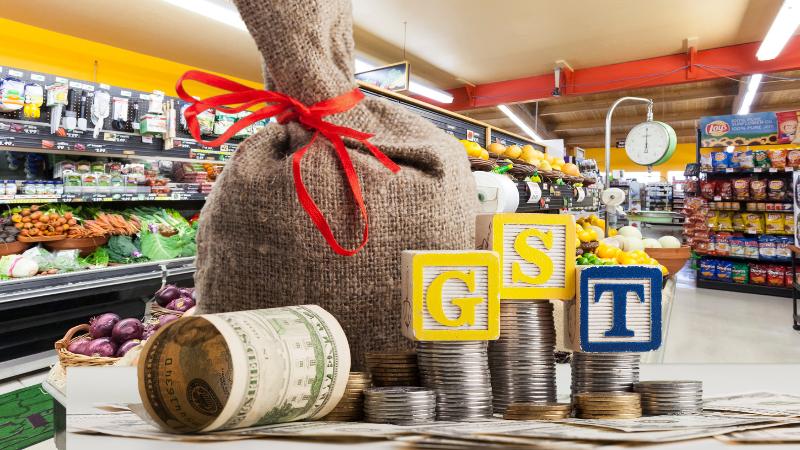
The Goods and Services Tax (GST) Council has approved a major overhaul of India's GST system, effective September 22, 2025. This comprehensive revamp introduces significant changes, impacting everything from household essentials and food items to vehicles and healthcare products. The council has streamlined the tax slabs by reducing the existing four-tier system to just two primary slabs 5% and 18% and introduced a 40% slab for select luxury and harmful items.
This overhaul aims to simplify the tax structure and boost domestic consumption, with a focus on making essential goods and services more affordable while increasing taxes on high-end luxury items and non-essential products.
What Gets Cheaper?
-
Food and Beverages:
Many essential food products will now be taxed at a lower rate. For example, all types of chapati and paranthas, which were previously taxed at 5%, will now be exempt. Other common items, such as butter, ghee, dry nuts, ice cream, and fruit juices, will see their GST reduced to 5% from 18%. Even plant-based milk drinks and soya milk drinks will become more affordable, with their tax rates slashed from 18% and 12% respectively to 5%. -
Household Items:
A variety of household goods will now come under a lower tax bracket. Items like shampoo, soap, toothpaste, talcum powder, bicycles, and kitchenware will have their tax reduced to 5% from 12% and 18%. -
Appliances:
Popular household appliances such as air conditioners, dishwashers, and TVs will now be taxed at 18%, down from the previous 28%, making them more affordable for consumers. -
Stationary and Educational Items:
Essential items like maps, charts, exercise books, and erasers will now be free from GST, compared to their previous 12% and 5% rates. -
Healthcare:
Life-saving drugs, medical devices, and health-related products will now be available at reduced GST rates, with many medical tools and diagnostic kits being taxed at just 5%. This includes items like thermometers, diagnostic reagents, glucometers, and even corrective spectacles. -
Insurance:
Individual life and health insurance policies will now be exempt from GST, a move that will provide relief to policyholders. Furthermore, the GST rate on third-party insurance for goods carriage has been reduced to 5% from 12%. -
Vehicles:
Small hybrid cars, motorcycles up to 350 cc, and electric vehicles will benefit from a reduced GST of 5%. Auto components, too, will now fall under the 18% tax bracket, down from 28%. -
Construction and Agriculture:
Cement will become cheaper, with its GST rate reduced from 28% to 18%. Agricultural machinery and inputs like fertilizers and biopesticides will also be taxed at 5%, a move aimed at benefiting farmers. -
Beauty and Well-Being Services:
Services from health clubs, yoga centers, and beauty salons will now be subject to a reduced GST of 5%, down from the previous 18%.
What Gets Costlier?
-
Aerated and Caffeinated Drinks:
Popular soft drinks like Coca-Cola and Pepsi, as well as other carbonated and sweetened beverages, will now be taxed at 40%, up from the current 28%. This hike will also affect all goods containing added sugar or sweeteners, including many flavored drinks and fruit juices. -
Luxury Vehicles and Aviation:
Automobiles with engine capacities above 1,200 cc, yachts, aircraft, and racing cars will see a sharp increase in their tax rate, rising to 40%. Additionally, vehicles such as motorcycles above 350 cc will now be taxed at 40%. -
Tobacco Products:
Tobacco products, including cigarettes and other smoking items, will continue to face a high tax rate of 28%, with an additional cess. The cess is meant to compensate states for revenue loss during the COVID-19 pandemic. Once the cess is concluded, tobacco taxes will rise to 40%. -
Leisure Activities:
Services related to gambling, online gaming, and sports betting (including IPL tickets) will see a sharp increase in GST, with the new tax rate set at 40%.
This overhaul in GST rates reflects the government's intention to simplify the tax structure, making essentials more affordable while imposing higher taxes on luxury and non-essential products. The revised GST rates are expected to have a significant impact on the cost of living for many Indians, affecting everything from food items to automobiles and healthcare services.