WASHINGTON — District of Columbia lawmakers are considering new measures to tackle price gouging, fraudulent resales, and predatory practices in the live entertainment ticketing industry. The “Restricting Egregious Scalping Against Live Entertainment (RESALE) Amendment Act of 2025,” introduced by Ward 6 Councilmember Charles Allen, aims to establish stronger consumer protections for music, theater, and sports fans who often face inflated ticket prices and deceptive sales tactics.
Under the proposed bill, ticket resellers could face fines of up to $10,000 per ticket if they sell tickets for more than 10 percent above the original listed price. The legislation also seeks to address so-called “junk fees” — hidden costs that appear late in the checkout process — and to make ticket pricing more transparent across platforms.
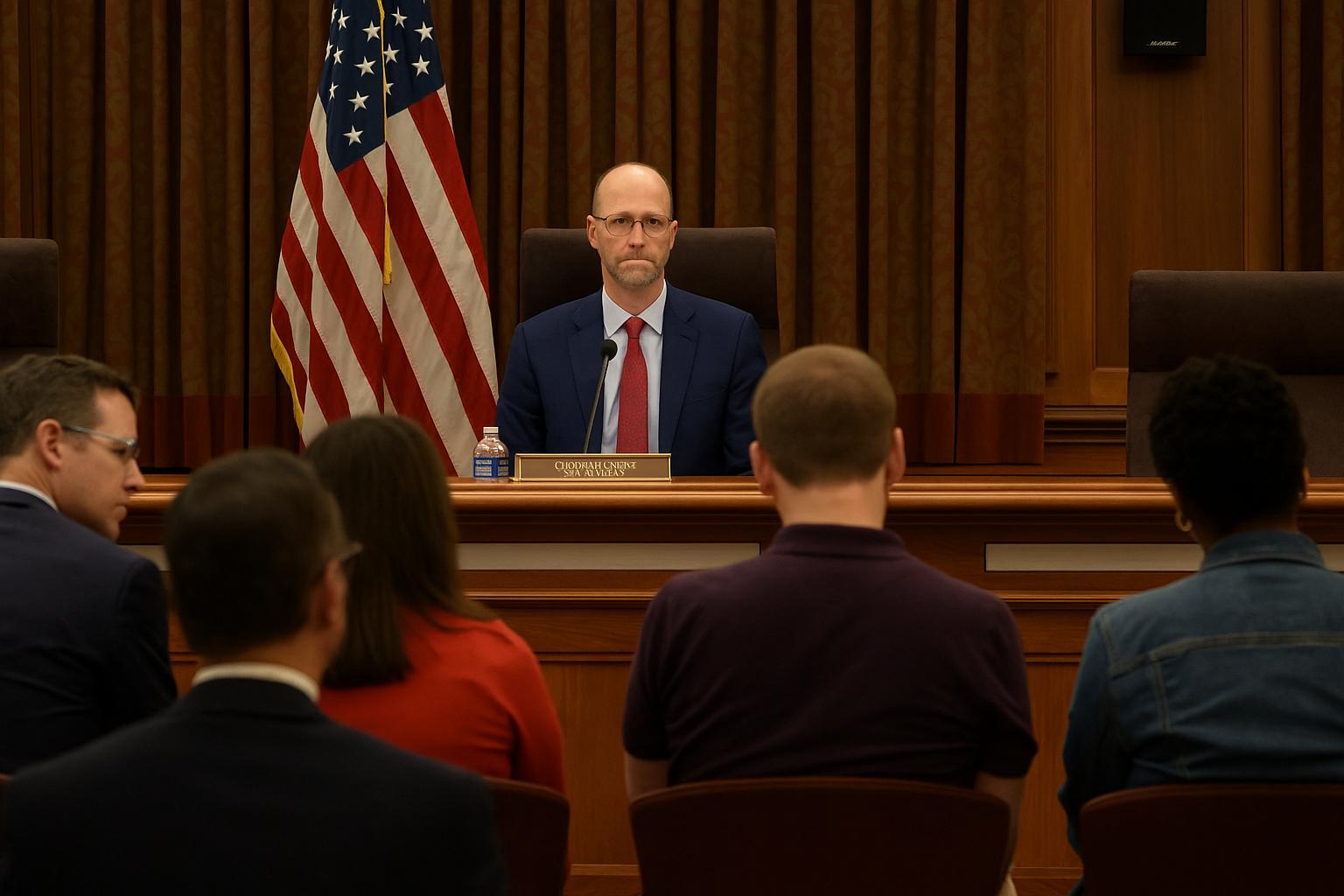
The D.C. Council held its first public hearing on the bill Wednesday morning at the John Wilson Building, where more than 100 individuals registered to testify, including venue owners, artists, advocacy groups, and residents. The hearing drew widespread public attention, reflecting growing frustration over escalating ticket prices and limited access to popular live events.
Supporters of the RESALE Act argue that the legislation is necessary to restore fairness to the live entertainment market. They say predatory resellers and automated bots drive up prices and block genuine fans from obtaining tickets at reasonable rates. Several venue owners voiced strong support during the hearing, describing how such practices have damaged both the customer experience and the local creative economy.
Will Eastman, owner of U Street Music Hall Presents, called the proposal a critical step toward protecting artists and audiences alike. “Predatory ticket resellers suck equity and precious value from D.C.,” Eastman said in his testimony. “They take income out of our city’s music ecosystem and put it into the hands of anonymous profiteers who bring no value to the art.”
Echoing that sentiment, Allyson Jaffe, owner of the D.C. Improv Comedy Club, said her business has repeatedly dealt with customers who unknowingly purchased fake or overpriced tickets. “These practices harm not only our patrons but also the performers and venues that make D.C.’s entertainment scene thrive,” she said.
Local music fans also testified passionately in favor of the measure. Concertgoer Ian Black told council members that high resale prices and junk fees have turned live events into luxury experiences. “Live events should be opportunities for people to come together and celebrate culture,” he said. “It’s unfortunate that these have become dominated by monopolized pricing and exploitative reselling.”
Another attendee, Hailey Williams, shared her personal experience of being overcharged for concert tickets on resale sites. “No family should have to go into debt just to enjoy a night out,” she said, calling for stricter enforcement against scalpers.
The proposed legislation has also received support from several D.C. officials and industry stakeholders. Attorney General Brian Schwalb publicly endorsed the RESALE Act, noting that his office has already taken legal action against businesses engaging in deceptive pricing tactics. “This bill makes it clear that drip pricing and junk fees are illegal under District law,” Schwalb said. “It provides practical protections for consumers and strengthens accountability for ticket sellers.”
Ticketing giant Live Nation Entertainment, the parent company of Ticketmaster, also voiced support for the proposed reforms. “We applaud Councilmember Charles Allen’s efforts to protect fans, artists, and the live entertainment community,” said company spokesperson Michael Crittenden. “We support measures that promote all-in pricing, cap resale markups, and ban speculative ticketing.”
Councilmember Allen said he hopes the bill will not only make ticket purchasing more affordable but also restore trust in the entertainment industry. “When fans go to buy tickets, they should be paying fair prices and seeing the full cost upfront,” he stated earlier this year when introducing the legislation.
The RESALE Act builds upon growing national concern over corporate monopolization in the ticketing sector. In recent years, public outrage over high resale prices and hidden fees has fueled calls for reform across multiple states and at the federal level. For D.C., officials say this legislation could set a precedent for cities across the country grappling with similar issues.
If passed, the bill would make D.C. one of the first jurisdictions in the United States to impose strict price caps and penalties on ticket resellers, as well as requiring greater transparency from primary ticketing platforms. The Council’s hearing marks a significant step in what supporters hope will become a broader movement to ensure fair access to live entertainment for fans, families, and artists alike.