Andhra Pushes Jonnagiri Goldfield Under SGF Vision
The Andhra Pradesh government has officially accelerated its push into large-scale gold mining with the inauguration of the Jonnagiri goldfield project. The development has quickly triggered comparisons with the historically famous Kolar Gold Fields, though such parallels remain more symbolic than operational. The narrative around SGF, or Swarnagiri-style gold development, is being positioned as a new industrial identity for the state rather than a proven replacement for older mining hubs.
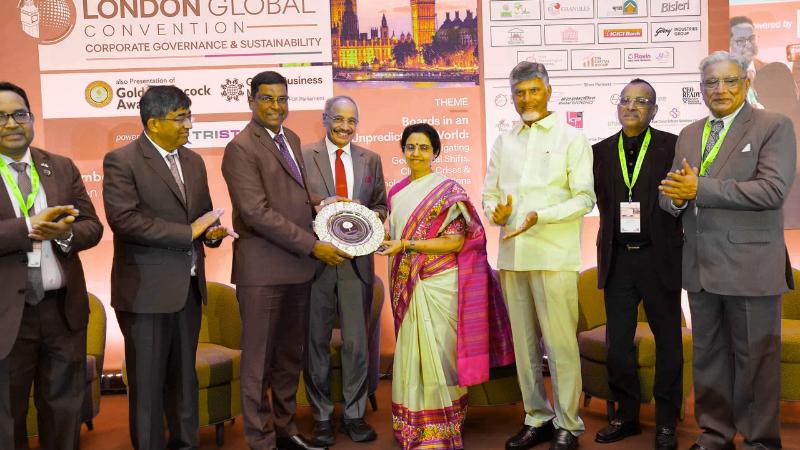
At the centre of this launch is N. Chandrababu Naidu, who inaugurated the project and highlighted its role in reshaping mineral-led growth in Andhra Pradesh. The project is being developed by Geo Mysore Services and Deccan Gold Mines with a reported investment of ₹405 crore, making it one of the largest private-sector gold mining initiatives in India. However, the long-term success will depend less on political messaging and more on sustained output, cost efficiency, and global gold price cycles.
Investment Scale and Production Ambitions
The Jonnagiri project is designed to function as a modern extraction and processing hub, moving beyond traditional raw mining models. Authorities claim it will generate between 750 and 1,500 kilograms of refined gold annually once fully operational. While these numbers are significant for a domestic mining unit, they still remain modest when compared to global gold-producing giants, which puts the “KGF comparison” more in the realm of branding than reality.
During the inauguration, mining operations were demonstrated, including ore transport and initial processing stages. Officials emphasized that the integrated setup would improve efficiency and reduce dependency on external refining systems. The project is also projected to create around 700 direct jobs, though indirect employment impact across logistics and allied services could be higher if supply chains develop as expected.
Economic Narrative vs Ground Reality
The state government has framed the project as part of a broader economic revival strategy, especially in attracting mining and industrial investments post-2024. Andhra Pradesh has been actively positioning itself as a resource and manufacturing destination, and Jonnagiri is being used as a flagship example of that shift.
However, the “SGF will beat KGF” narrative should be treated cautiously. Kolar’s historical significance came from decades of high-yield underground mining, while Jonnagiri is still in its early commercial phase with untested long-term output stability. The real test will be whether production targets are sustained beyond initial rollout enthusiasm and whether infrastructure scaling keeps pace with extraction goals.
Strategic Impact on Andhra’s Mining Future
If executed efficiently, the project could help Andhra Pradesh strengthen its presence in India’s mineral economy and reduce reliance on external sourcing for precious metals. The government’s broader intent appears to be building investor confidence in high-value mining sectors rather than positioning Jonnagiri as a direct successor to KGF.
For now, the project stands more as a strategic signal than a proven industrial transformation. The coming years will determine whether SGF becomes a durable mining identity or remains a politically amplified narrative tied to early-stage optimism.