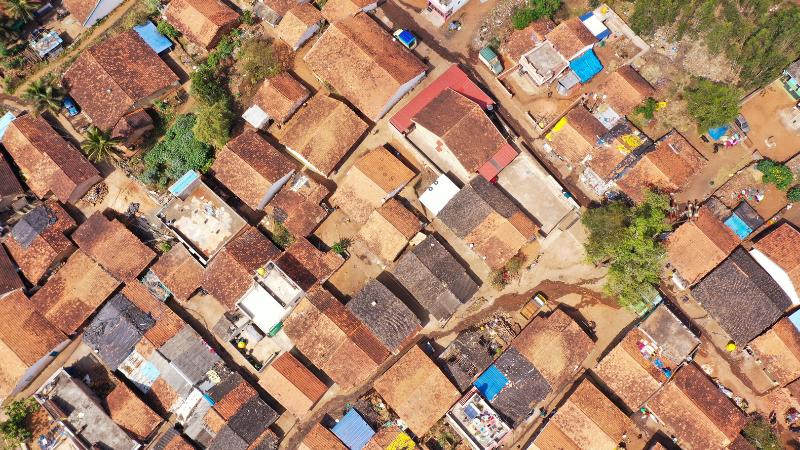
Tensions continue to mount along the Line of Control (LoC) as Pakistan has stepped up its shelling of civilian areas in Kashmir, forcing mass displacement across three key border districts. In the wake of heightened military activity, including India’s Operation Sindoor targeting terror infrastructure, Pakistan’s retaliatory shelling has caused panic among residents in Baramulla, Kupwara, and Bandipora districts. Over the past four days, nearly 1.1 lakh villagers have fled their homes, seeking safety in relatively secure areas further from the volatile border.
The situation on the ground remains dire, with dozens of homes and several government buildings damaged by Pakistani shell fire. Civilians, especially in the frontline villages, have had to make the painful decision to leave behind everything they own. For many, this includes land, livestock, and homes that have been part of their family’s legacy for generations. The exodus has stretched the capacity of local relief efforts as authorities scramble to provide shelter, food, and medical assistance to the displaced.
Irshad Ahmad Khwaja, a lifelong resident of a border village in Baramulla, expressed deep sorrow at having to abandon his home. “It is not easy to leave behind a place where you have spent all your life. I would not leave my home if the threat to my life and that of my family was not so high,” he said. He has relocated to a relative’s home in Baramulla town for the time being, hoping the situation stabilizes soon.
The escalation in shelling comes amid Operation Sindoor, India’s high-impact counterterrorism campaign that recently eliminated key Jaish-e-Mohammad operatives, including Mohammad Yusuf Azhar. With cross-border tensions flaring, Pakistani forces have increasingly targeted civilian zones along the LoC, using heavy artillery that has created widespread damage and fear. The retaliatory nature of the attacks suggests a direct link to the strategic blow delivered by India in the earlier airstrike.
Local administration officials are working to relocate affected families to temporary shelters set up in schools and public buildings. However, the large number of evacuees has placed immense pressure on available resources. While food and basic amenities are being arranged, the psychological and financial toll on the displaced is growing. Many villagers who rely on seasonal agriculture and livestock for income have had to abandon their work mid-cycle, leaving them with no immediate means of livelihood.
As the shelling continues, the future remains uncertain for thousands of displaced families. Government sources have indicated that security forces are monitoring the situation closely and are on high alert to respond to any further escalation. Meanwhile, humanitarian efforts are being intensified to accommodate the growing number of evacuees and ensure they receive proper care during this period of upheaval.
The unfolding crisis is yet another reminder of the human cost of persistent India-Pakistan border tensions. Operation Sindoor may have dealt a significant blow to terrorist infrastructure, but it has also triggered a dangerous round of retaliation that is impacting innocent civilians. As the region navigates this delicate and dangerous phase, calls for de-escalation and peace are growing louder, even as villagers wait anxiously for the day they can return home safely.