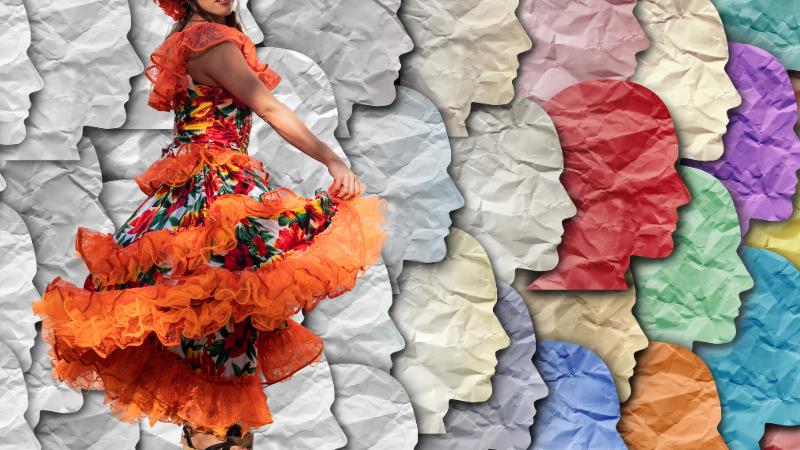
Early on Sunday, sidewalks filled with spectators ready to witness the highly anticipated Grand Parade. From every direction came the sound of drums, brass instruments, and traditional rhythms representing a vast range of cultures from Latin America, the Caribbean, and Africa. Dancers clad in feathered costumes, sparkling attire, and cultural garments moved in unison through the streets, while performers showcased folk dances, martial arts, and contemporary choreography. It was a moving celebration of shared identity, history, and pride.
Festival-goers described the event as more than just a visual and musical spectacle—it was a profound expression of community. “Celebrate carnival, celebrate Latin culture from all Latin American countries, celebrate music, dance, community,” said one attendee, summing up the spirit of the event. The sense of inclusion resonated with others as well, including long-time participants who expressed how the gathering brings together people from all walks of life across the continent.
“I try to come every year because they are bringing together the Latino community from all over—from the United States to Central and South America. This is a unique thing,” said a local resident, highlighting the unity that the event fosters among different nationalities and generations.
City officials were also present at the celebration, walking among the crowds and engaging with participants. One local leader described the event as “amazing,” emphasizing how palpable the energy was and how deeply it reflected the diverse spirit of the city. With tens of thousands attending, the streets buzzed with enthusiasm, movement, and cultural pride.
Local business owners noted the positive impact of Carnaval on neighborhood commerce. Restaurants, corner stores, and street vendors all reported increased activity throughout the weekend. “Saturday was really good. We started seeing it on Friday. It’s definitely better than it’s been in months. I think today is the biggest day, so we’ll see how it goes,” said one restaurant manager, noting that the event offered a vital boost after recent slowdowns in local traffic.
Carnaval also served as a generational bridge. Families brought their children, some of whom donned miniature costumes resembling those of the parade performers. These young participants danced alongside seasoned performers, adding a sense of continuity and future to the celebration. It was clear the event was not just about honoring the past, but also about shaping the future of cultural pride and expression.
As evening approached, the festivities transitioned to multiple performance stages and cultural exhibits. The streets were filled with the aromas of traditional dishes—tamales, pupusas, tacos, empanadas—offering visitors a taste of the cultures being celebrated. Music pulsed into the night as crowds swayed to the beats of salsa, cumbia, samba, and Afro-Caribbean rhythms.
Even after nearly five decades, Carnaval continues to evolve while remaining deeply rooted in its mission: to celebrate multiculturalism, resilience, and community through artistic expression. The Mission District, known for its historical and cultural richness, once again proved to be the perfect setting for such a dynamic and inclusive event.
As organizers begin planning the 48th installment of this cultural celebration, the memories of this year’s festivities linger in the minds of those who attended. Carnaval San Francisco 2025 reminded everyone of the power of culture to unite people, the beauty of shared traditions, and the joy that comes from coming together in celebration. The heartbeat of the city was loud, proud, and unforgettable.