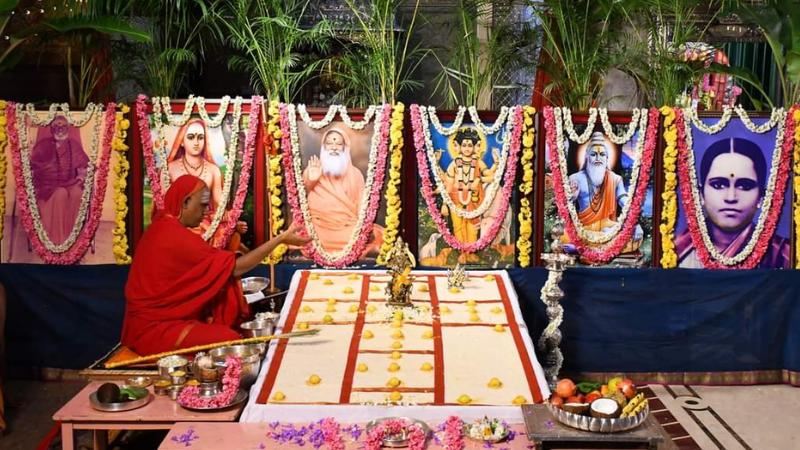
Chaturmasya: A Sacred Four-Month Period of Devotion, Discipline and Diet in Hinduism
Chaturmasya, derived from the Sanskrit words “chatur” (four) and “masya” (month), is a sacred period of spiritual retreat and disciplined living in Hinduism. Spanning four months during the Indian monsoon, Chaturmasya begins on Shayani Ekadashi in Ashadha (June–July) and ends on Prabodhini Ekadashi in Kartika (October–November). This period is marked by vows of austerity, dietary discipline, devotional activities and a conscious withdrawal from excessive worldly indulgences.
While commonly observed as a four-month spiritual commitment, Chaturmasya can also be observed in a shorter format—lasting two months and comprising four fortnights. This is especially common among renunciants or sannyasis who observe the vow from Guru Purnima (full moon of Ashadha) to the full moon of Bhadrapada. Whether followed for two or four months, the essence remains the same: to cultivate detachment, spiritual clarity and service to the divine.
Monthly Food Guidelines of Chaturmasya
Central to the observance of Chaturmasya is the regulation of diet. Each month carries specific restrictions related to what one must avoid eating, symbolizing sacrifice and discipline. Along with these restrictions, sattvic (pure) foods such as rice, wheat, pulses (except urad dal in Kartik), fruits, nuts, and vegetables not listed under restricted items are permitted throughout the period.
1. Shravana Month (July–August)
What to avoid: All green leafy vegetables
This month, known as Shaka Vrata, requires abstaining from leafy greens such as spinach, methi (fenugreek), coriander, curry leaves, mint, and mustard greens. These are believed to accumulate insects and microbes during the monsoon, making them unsuitable for consumption.
What to eat: Root vegetables, gourds, pumpkins, rice, dal (except urad), grains, milk products, fruits, and non-leafy vegetables.
2. Bhadrapada Month (August–September)
What to avoid: Yogurt (curd or dahi)
This period is known as Dadhi Vrata. Yogurt is thought to become excessively sour and tamasic during this time, especially in humid weather, and may disturb digestion.
What to eat: Buttermilk (if diluted and churned), milk, paneer, rice, moong dal, cooked vegetables, seasonal fruits.
3. Ashwin Month (September–October)
What to avoid: Milk
Known as Ksheera Vrata, this month requires giving up milk and milk-based products like butter, paneer, and sweets made from milk. Some devotees substitute with almond or plant-based alternatives, while others skip milk entirely.
What to eat: Fruits, grains, dal, vegetables, nuts, and water-based sweets. Yogurt is permissible if previously restricted.
4. Kartik Month (October–November)
What to avoid: Urad dal (black gram) and split dals
This final month is Dwidala Vrata. All split pulses, particularly urad dal, are avoided due to their heavy digestive nature and to reinforce the principle of austerity.
What to eat: Whole grains, fruits, vegetables, moong dal (if not split), and other lighter legumes like moth beans or whole chana.
Two-Month Observance: Four Fortnights Explained
For some ascetics, especially those who travel or reside in one place temporarily, Chaturmasya is observed from full moon to full moon over two months—covering four pakshas (fortnights):
- Guru Purnima (Ashadha Full Moon) – Beginning of Chaturmasya for many sannyasis
- Shravana Krishna Paksha – First fortnight of vow
- Shravana Shukla Paksha – Second fortnight
- Bhadrapada Krishna Paksha – Third fortnight
- Bhadrapada Shukla Paksha (Purnima) – Conclusion of observance
In both versions, the goals are the same: to curb material indulgence, nurture inner discipline, and enhance one’s devotional intensity.
Why Chaturmasya Is Observed
According to Hindu mythology, Lord Vishnu enters divine sleep (yoga nidra) in the cosmic ocean on Shayani Ekadashi, resting on Ananta Shesha, the celestial serpent. He awakens on Prabodhini Ekadashi, four months later. During this divine pause, devotees are urged to engage in spiritual disciplines, symbolic of inner awakening, while Vishnu rests.
Apart from its spiritual implications, Chaturmasya also has practical benefits. The monsoon brings a higher risk of illness; dietary restraint, avoiding hard-to-digest foods, and cleanliness rituals offer physiological protection. Spiritually, the period becomes a time of alignment, where the body, mind and senses are brought into harmony through regular prayer, study and ritual.
Recommended Activities During Chaturmasya
Devotees are encouraged to deepen their practice with the following daily habits:
- Rise before sunrise and take a purifying bath
- Engage in mantra chanting, especially names of Lord Vishnu or Krishna
- Read sacred scriptures like the Bhagavad Gita, Srimad Bhagavatam
- Perform Tulsi Puja and offer Tulsi leaves to the deity
- Observe all eight Ekadashis with fasting and prayer
- Perform temple services like cleaning, cooking, and flower offering
- Donate food, clothes, or sacred items to temples and saints
- Avoid criticism, gossip, and indulgence in harsh speech or negative habits
- Spend time in silence, contemplation, and attending satsangs
Pilgrimages are considered highly meritorious during this time, and even visiting local temples regularly is said to yield great spiritual benefit.
Prohibited Acts During Chaturmasya
In keeping with its ascetic foundation, certain actions and indulgences are avoided:
- Consuming meat, alcohol, or intoxicants
- Engaging in gambling or other tamasic activities
- Getting married or conducting housewarming ceremonies
- Buying land or starting new businesses
- Oversleeping or using luxury bedding (sleeping on the floor is recommended)
- Harsh speech, slander, or arguments
- Breaking the four regulative principles (no meat-eating, intoxication, illicit sex, gambling)
The idea is to withdraw from material entanglements and replace them with spiritual discipline.
A Sacred Reset for the Soul
Chaturmasya stands as one of Hinduism’s most meaningful and introspective observances, allowing every individual—regardless of caste, age or background—to participate in a profound spiritual reset. The careful regulation of food, speech, thought and activity over this period fosters deep transformation. In today’s age of constant distraction and overindulgence, Chaturmasya offers a rare opportunity to pause, purify and return to a higher state of awareness. For the devotee, it is not merely a ritual—it is a pathway to inner peace, divine connection and a reminder that discipline leads to freedom, and simplicity reveals the sacred.