What Defines a Generation: Understanding Gen Z, Gen X, and More
Some say Gen Z, others talk about Gen X — but do you actually know what these terms mean? These aren’t just trendy buzzwords; they represent entire groups of people shaped by the times they grew up in. From the disciplined Silent Generation to the tech-native Gen Alpha, each group reflects a unique relationship with the world around them. But where do these generational labels come from, and why do we use them?
Generational names like Gen Z, Millennials, or Boomers are not created by law or scientific rule. Instead, they’re shaped by researchers, sociologists, and demographers who observe large-scale patterns across people born in a particular time frame. These labels are based on common social, economic, political, and technological events that impact a group during their growing years—usually between childhood and early adulthood.
Common Generations and Their Timelines
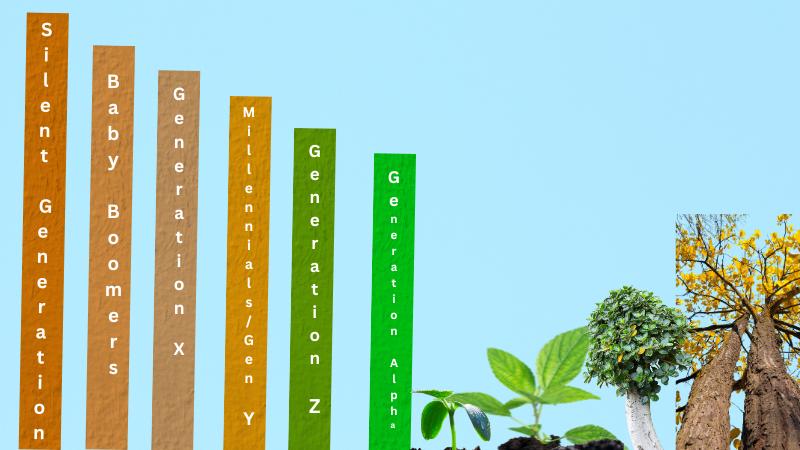
- Silent Generation (1928–1945): Grew up during the Great Depression and World War II; known for resilience, loyalty, and a disciplined approach to life.
- Baby Boomers (1946–1964): Born during post-war prosperity; witnessed civil rights movements, moon landing, and the rise of television.
- Generation X (1965–1980): Known for independence and skepticism; came of age during rising divorce rates and the emergence of personal technology.
- Millennials / Gen Y (1981–1996): Shaped by the internet, social media, and the Great Recession; known for adaptability, values-driven choices, and tech fluency.
- Generation Z (1997–2012): True digital natives; shaped by smartphones, social media, and climate awareness; open-minded, inclusive, and creative.
- Generation Alpha (2013–2025): The youngest group today; born into AI, smart devices, and highly personalized digital environments.
Why These Labels Are Useful (But Not Perfect)
Labeling generations helps researchers, marketers, educators, and employers understand trends in behavior and communication. For example, businesses may tailor their content to Gen Z’s preference for video, or educators might reshape their approach to fit Millennial learning styles. These labels also help explain shifts in values—like why Boomers may prioritize job security, while Millennials lean toward work-life balance.
However, these labels are not perfect. Not everyone fits their generation’s stereotype. People born at the edge of two generations—called "cusps"—often carry traits from both sides. Cultural context, economic background, and geography also shape people differently within the same generational group.
So, while useful as a lens for understanding social evolution, generational categories should not be treated as strict definitions or judgments. They are more about understanding broader patterns than making personal assumptions.
Social Insight Through Generations
Generational labels like Gen X, Millennial, or Gen Z give us insight into how people grow, adapt, and shape the world based on the times they live in. From the post-war Boomers to the AI-raised Alphas, each group reflects both the challenges and progress of their era. These groupings help make sense of cultural changes, workplace shifts, and even political behavior.
As new generations emerge—likely beginning around 2025 with Gen Beta—our understanding of society will continue to evolve. What remains consistent is the importance of recognizing shared experiences while respecting individual differences. After all, while we may be defined in part by the times we live through, who we become is ultimately shaped by choice, context, and connection.