- devara
- 04 Aug 2025
- #Food & Beverages #CannedIndianFood #FrozenIndianFood #CannedVsFrozenFood #ShelfLifeOfCannedFood #ShelfLifeOfFrozenFood #BestCannedIndianFood #FrozenFoodStorage #ConvenienceFood #CannedFoodBenefits #FrozenFoodForIndianRecipes #CannedIndianMeals #FrozenIndianMeals #HealthyCannedFood #FrozenFoodForLongTermStorage #IndianFoodStorageOptions
When it comes to stocking up on food, especially Indian cuisine, there are two popular options: canned food and frozen food. Both offer convenience, long shelf life, and ease of preparation, but which one lasts longer and is better for your kitchen storage needs? This article will delve into the differences between canned Indian food and frozen Indian food, comparing their shelf life, nutritional value, and overall benefits, helping you make an informed decision for your pantry or freezer.
Canned Indian Food: The Ultimate Convenience
Canned food has long been a staple in many households, and Indian cuisine is no exception. From canned dal (lentils) and curry to paneer tikka and chole, the convenience of canned Indian meals has made them a popular choice for busy individuals or families looking for a quick and easy meal.
Shelf Life of Canned Indian Food
One of the main advantages of canned Indian food is its long shelf life. Canned food can last for several months, even years, as long as it is stored properly in a cool, dry place. The canning process involves sealing food in airtight containers and heating it to kill bacteria, which helps preserve the food for long periods. On average, most canned Indian food items have a shelf life ranging from 1 to 5 years, depending on the type of food and the preservation method used.
Benefits of Canned Indian Food:
-
Long Shelf Life: As mentioned earlier, canned food lasts for an extended period, making it a great option for long-term storage.
-
Convenience: Canned Indian food is ready to eat, and all you need to do is heat it up. It's ideal for busy days when you don’t have time to cook.
-
Cost-Effective: Canned foods are often more affordable than their frozen counterparts, making them a budget-friendly choice for those who want to stock up on Indian meals.
-
Easy Storage: Cans don’t require refrigeration and can be stacked neatly in your pantry, making them space-efficient.
Drawbacks of Canned Indian Food:
-
Taste and Texture: The taste and texture of canned food can be a bit different from fresh or frozen alternatives. The canning process may affect the texture, and some find that the flavor isn’t as vibrant as freshly made dishes.
-
Limited Variety: While there are many canned options available, the variety of canned Indian food may not be as extensive as what’s available in the frozen section.
-
Nutrient Loss: Some nutrients, particularly water-soluble vitamins like vitamin C and B vitamins, may be lost during the canning process due to the high heat used for preservation.
Frozen Indian Food: Freshness with Convenience
Frozen Indian food, on the other hand, is an excellent option for those who want the convenience of a ready-to-eat meal but prefer a more fresher taste and texture. Items like frozen parathas, biryani, curries, and snacks are widely available, giving you a variety of options to choose from. The food is typically frozen immediately after being prepared, helping retain its natural flavor, nutrients, and texture.
Shelf Life of Frozen Indian Food
Frozen Indian meals have a shelf life that varies depending on the type of food and storage conditions. In general, frozen Indian food can last anywhere from 6 months to a year if kept at a constant freezing temperature of 0°F (-18°C). Unlike canned food, frozen meals need to be stored in the freezer, which means you’ll need to have ample freezer space if you plan to stock up on frozen Indian food.
Benefits of Frozen Indian Food:
-
Better Taste and Texture: Frozen meals tend to maintain a more authentic flavor and texture compared to canned food. Since the food is frozen soon after preparation, it retains its original freshness.
-
Variety: The frozen food section typically offers a broader range of options, from vegetarian dishes to meat curries and breads. You’ll find many more Indian dishes in the frozen section than in the canned aisle.
-
Nutrient Retention: Freezing food helps preserve its nutrients, especially vitamins and minerals that may be lost during the canning process.
-
Healthier Options: Many frozen Indian meals use fewer preservatives than canned food, making them a healthier choice for those who want to avoid additives and chemicals.
Drawbacks of Frozen Indian Food:
-
Storage Space: Frozen meals require a freezer, so they may not be ideal for households with limited freezer space. They also need to be stored at a consistent temperature, which may not be possible in warmer climates.
-
Shorter Shelf Life: While frozen meals last a long time, they don’t last as long as canned food. If you’re looking to store food for many months or even years, frozen food may not be the best option.
-
Preparation Time: Although frozen meals are easy to prepare, they still require more time and effort than canned meals, which are ready to eat straight from the can.
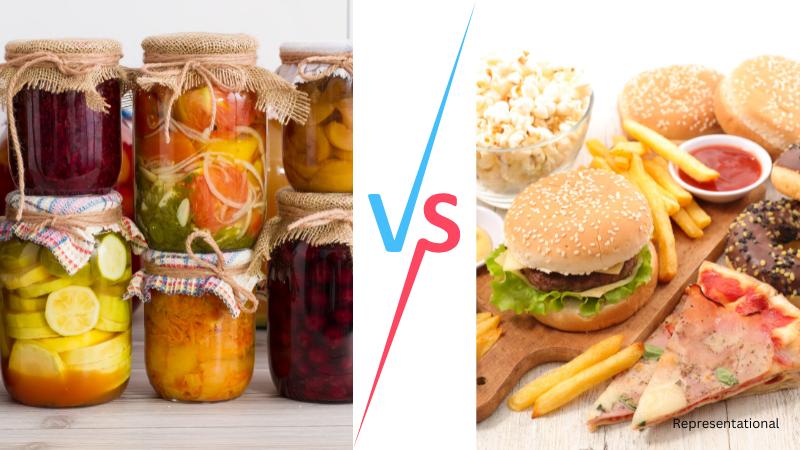
Canned Indian Food vs Frozen Indian Food: Which Lasts Longer?
When it comes to the shelf life, canned Indian food is the clear winner. Thanks to the airtight sealing and preservation process, canned food can last anywhere from 1 to 5 years, while frozen meals are typically best used within 6 months to a year.
However, frozen Indian food tends to offer better flavor and texture, as well as more nutritional benefits due to the freezing process. While it may not last as long as canned food, frozen food is more suitable for those who want fresher, more authentic-tasting meals.
Which Should You Choose?
The decision to choose between canned Indian food and frozen Indian food depends on your specific needs and preferences. If you’re looking for long-term storage and convenience, canned food is the better choice. It offers long shelf life, easy storage, and affordability, but it may not offer the same level of freshness and variety as frozen food.
On the other hand, if you’re seeking authentic flavor, better texture, and more nutritious meals, and you have enough freezer space, frozen Indian food may be the better option. While it doesn’t last as long as canned food, it provides a fresh, convenient meal without the additives and preservatives often found in canned goods.
Both options have their merits, so it ultimately comes down to your preferences regarding taste, storage space, shelf life, and convenience. Whether you opt for canned Indian food or frozen Indian meals, both provide a simple solution for enjoying delicious Indian cuisine at home without the hassle of cooking from scratch.
🔖 Explore More
How to Find Authentic South Indian Food in American Cities: A Complete Guide for Food Lovers
Hidden Indian Dishes You Need to Try: Underrated Delicacies Across India
Vegan and Gluten-Free Indian Food Options You’ll Love
Discover Best Food Deals for NRIs in the USA - Food & Restaurant