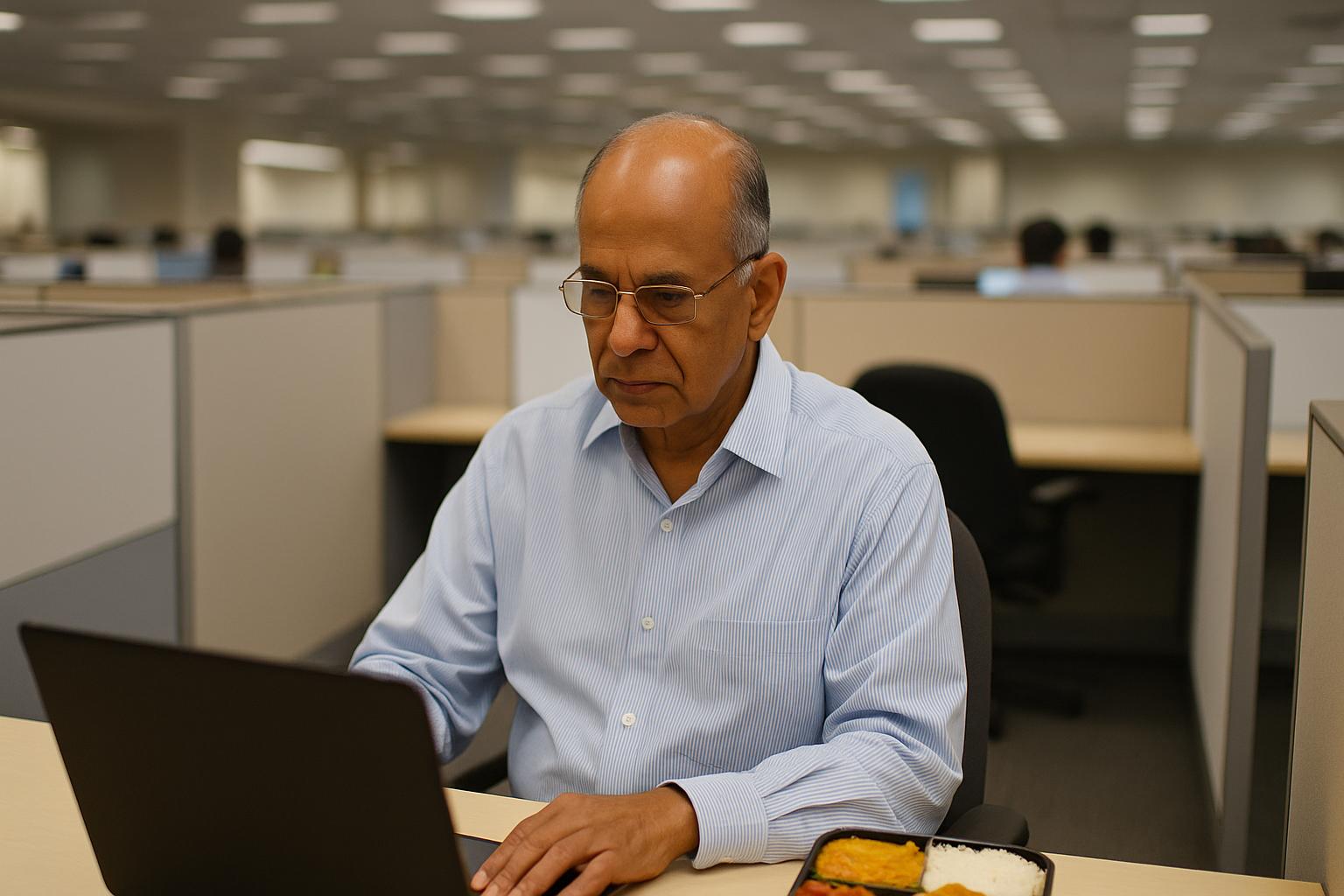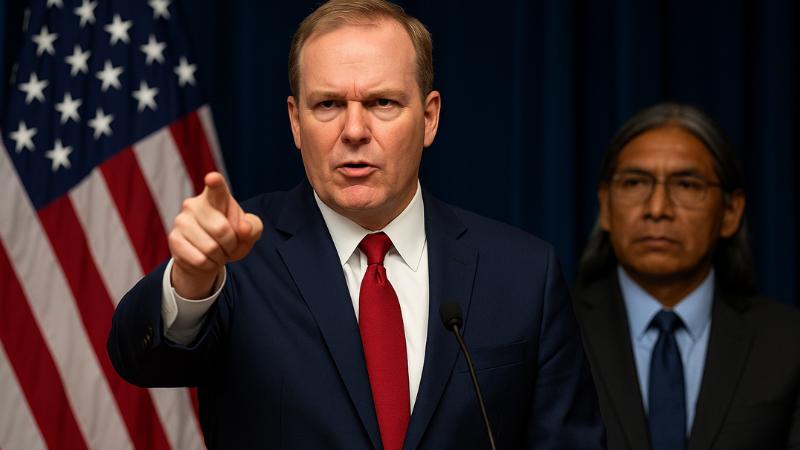
Recent calls by some US political activists to reduce or eliminate the presence of Indian professionals in American workplaces have reignited a long-running debate over immigration, national identity and economic growth. Mark Mitchell, a US pollster who has promoted what he describes as a “de-Indianisation” consultancy, has become a prominent voice in this discourse. His arguments reflect a broader strain of nativism that has surfaced periodically throughout American history, often at moments of economic or social anxiety.
The United States was built through successive waves of immigration that reshaped the continent after European explorers opened transatlantic routes. Pilgrims, religious dissenters, adventurers and indentured servants arrived over centuries, forming the demographic foundation of the country. By 1820, an estimated two million Europeans had migrated to the US. Between 1892 and 1954, more than 12 million immigrants passed through Ellis Island, many from Southern and Eastern Europe, including Italians, Irish, Poles and Jews, seeking economic opportunity and political freedom.
Despite this legacy, nativist sentiment has frequently followed periods of high immigration. The Immigration Act of 1924 sharply curtailed arrivals from regions that had recently supplied large numbers of migrants, reducing immigration from Southern and Eastern Europe by more than 80 percent. Supporters of such measures framed newcomers as economic or cultural threats, even when their own families had arrived only a generation earlier. Historians have often described this pattern as a recurring cycle in US public life rather than an anomaly.
Contemporary debates over Indian professionals in the US technology sector echo this historical pattern. Indian Americans today number about 5.1 million people, representing roughly 1.5 percent of the US population, according to recent diaspora studies. Despite their small share of the population, their economic footprint is substantial. In 2023, Indian-origin executives led 16 Fortune 500 companies, overseeing enterprises with combined revenues approaching one trillion dollars and employing millions worldwide.
Indian immigrants are also a major force in entrepreneurship. They are the leading country of origin for immigrant founders of US unicorn startups, having co-founded more than 70 such companies with valuations exceeding $195 billion. These firms employ tens of thousands of workers and contribute to the broader innovation economy that underpins US global competitiveness. In fiscal terms, Indian Americans are estimated to contribute between $250 billion and $300 billion annually in income taxes, accounting for around five to six percent of total US income tax collections.
Critics of high-skilled immigration often focus on the H-1B visa programme, arguing that it displaces domestic workers. Claims that deporting a single senior H-1B professional is economically equivalent to removing multiple undocumented workers, however, overlook differences in wages, tax contributions and specialised skills. While Indian nationals receive a majority of H-1B visas, they are also among the most highly educated and integrated participants in the US technology workforce.
Recent regulatory tightening has already altered the composition of the H-1B programme. Approvals for initial employment for major Indian IT firms have declined sharply over the past decade, while US-based technology companies such as Amazon, Microsoft, Google and Meta now account for a growing share of new approvals. This shift reflects a move toward higher-wage, specialised roles rather than large-scale outsourcing, driven by both market forces and policy changes.
Research suggests that restrictive visa policies can have unintended consequences. Studies indicate that when US firms face difficulties hiring skilled foreign workers, they increasingly relocate work to other countries, including India and Canada. In such cases, jobs and innovation are exported rather than retained domestically, challenging the assumption that tighter immigration rules automatically benefit local labor markets.
For India, the evolving debate presents both risks and opportunities. Volatile US visa policies have encouraged Indian technology firms to diversify operations and reduce dependence on American immigration pathways. At the same time, rhetoric calling for exclusion underscores the importance of strengthening domestic innovation ecosystems and creating incentives for skilled professionals to build careers at home.
The current controversy highlights enduring tensions between protectionism and openness in the US economic model. History suggests that American growth has been closely linked to its ability to attract and integrate global talent. As policymakers revisit immigration frameworks, the challenge lies in balancing labor market concerns with the realities of a globalised innovation economy shaped, in no small part, by immigrants themselves.