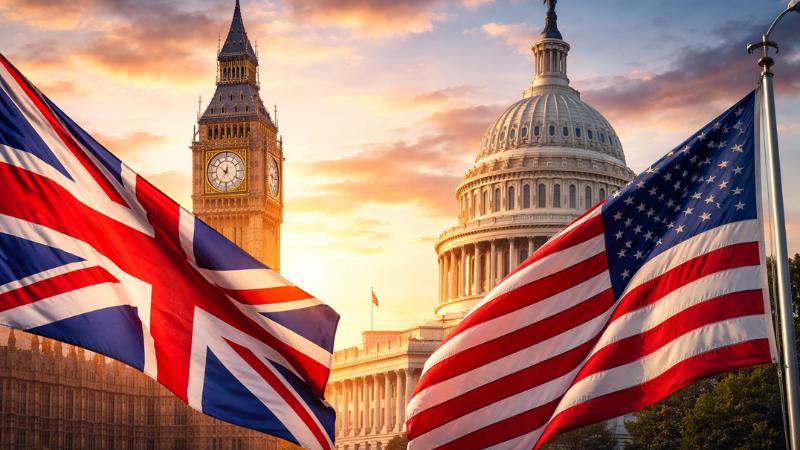
The United States has paused a multi-billion-pound investment programme in British technology, dealing a significant setback to relations between Washington and London amid ongoing trade disagreements. The decision places the £31bn tech prosperity deal on hold, halting a package that had been presented by the UK government as a cornerstone of its economic and diplomatic strategy with the US.
The agreement, unveiled during Donald Trump’s state visit to the UK, was described by Prime Minister Keir Starmer as a transformational moment for the bilateral relationship. Under the proposed arrangement, major US technology companies committed to investing heavily in Britain, with Microsoft pledging £22bn and Google offering £5bn as part of a broader push to strengthen cooperation in emerging technologies.
Washington has now paused the implementation of the deal, citing insufficient progress by the UK in addressing wider trade concerns. US officials have signalled frustration over Britain’s continued use of a digital services tax on American technology firms, as well as its refusal to relax food safety regulations that restrict certain US agricultural imports. The decision has effectively stalled the investment until further concessions are made.
British officials have sought to temper concerns, characterising the move as a familiar feature of tough trade negotiations rather than a permanent collapse of the agreement. Government sources indicated that the US has historically applied pressure during talks and suggested that the pause reflects negotiating tactics rather than a breakdown in relations. Officials emphasised that similar disputes had arisen during past negotiations, including discussions over pharmaceutical exports.
The tech prosperity deal also included plans to establish an artificial intelligence growth zone in north-east England, which ministers said could generate up to £30bn in economic activity and create approximately 5,000 jobs. However, the agreement contained provisions stating that it would only come into force alongside substantive progress in formalising and implementing its terms, allowing either side to delay action if negotiations stalled.
The pause represents a political blow for the UK government, which has spent the past year engaging closely with the US in an effort to protect British exports from tariffs and to deepen economic ties. As part of that effort, Starmer hosted Trump for a second state visit at Windsor Castle, a rare diplomatic gesture intended to reinforce the so-called special relationship.
At the heart of the dispute is the UK’s digital services tax, a 2% levy on the revenues of large technology companies that generates around £800m annually. Despite repeated pressure from Washington, the government has resisted scrapping or significantly altering the tax, arguing that it ensures fair contributions from multinational firms operating in the UK. The US has warned that digital taxes could prompt retaliatory trade measures.
Additional tensions have emerged over online safety regulations, which the US has urged Britain to review, and over agricultural standards. While the UK has agreed to reduce tariffs on some US food products, ministers have maintained a commitment not to dilute domestic farming and food safety rules. Any relaxation could allow products such as chlorine-washed chicken or hormone-treated beef into the UK market, an outcome strongly opposed by farmers and consumer groups.
Despite the setback, UK officials insist negotiations remain ongoing. Talks between senior trade representatives recently covered issues including steel and whisky tariffs, as well as cooperation on critical minerals. Further discussions are expected to continue in the coming months.
A government spokesperson said the UK remains committed to ensuring the tech prosperity deal ultimately delivers economic benefits on both sides of the Atlantic, underlining that diplomatic engagement with the US remains a priority.